

One Light
A single source casts one set of shadows. Adding a second glow doubles the shadows and the eye stops believing the space, even if it cannot say why.
Prompt Guide
Model
Reference Image
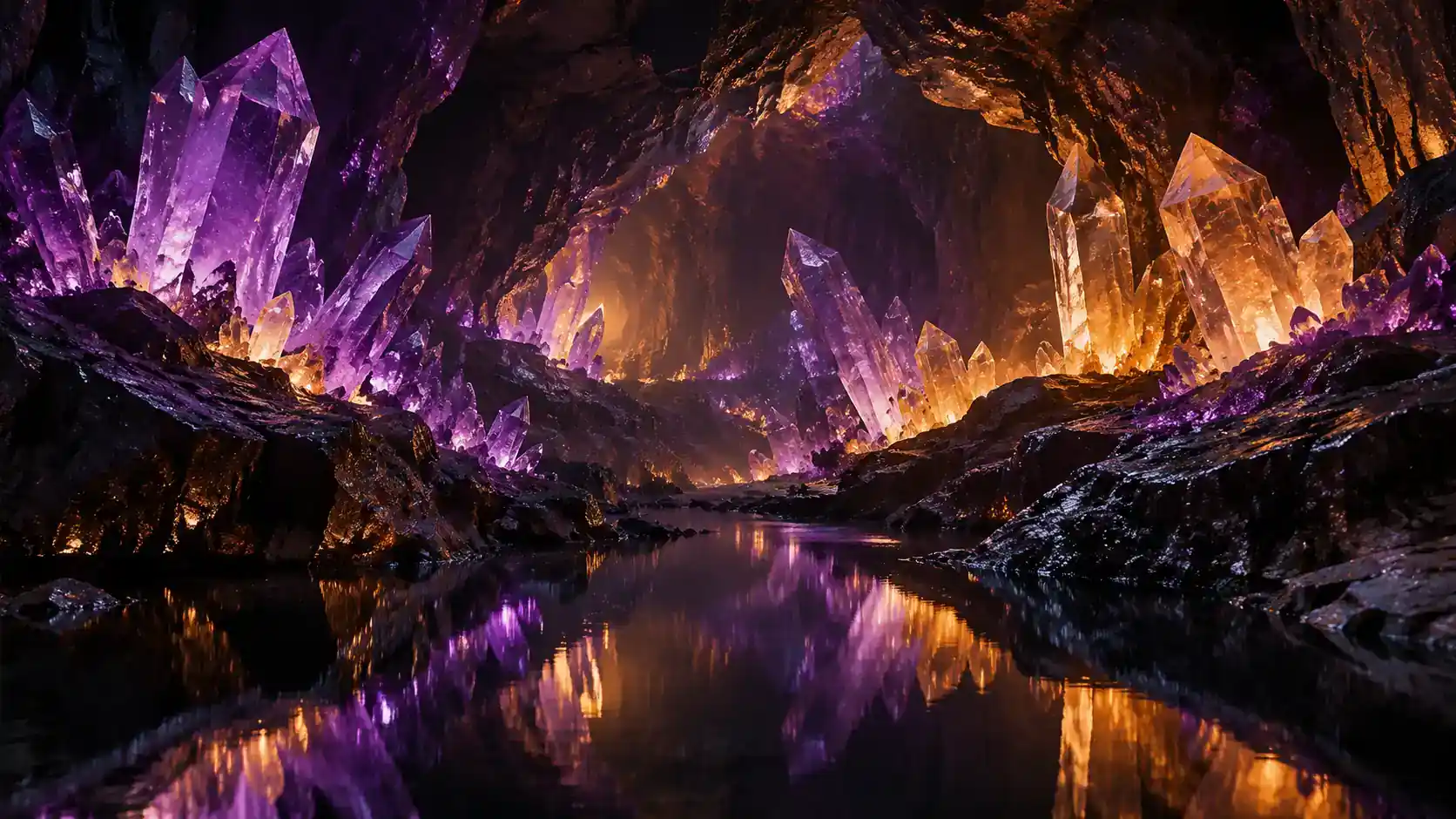
Name a place, one glowing object and the material under it, and get a scene where the light has a source and the shadow has a reason.
Place, light, then detail. Each pass is one sentence.
A cave, a standing stone, a flooded hall. Say what the walls are made of, because wet basalt and dry sandstone take the same light completely differently.
One object emits, everything else reflects. A crystal in the floor, a lantern on a ledge. Two emitters turn the frame flat and the scene stops feeling like a place.
Wet stone, chalk, brass, salt. Material is what gives a highlight something to sit on, and it is the difference between a render and a purple fog.
Keep a third of the frame unlit. True shadow is what makes a glow read as bright, and a scene lit edge to edge looks like a coloured gel rather than light.
Ten scenes across four kinds of glow, each with a shadow the light cannot reach.
 Studio
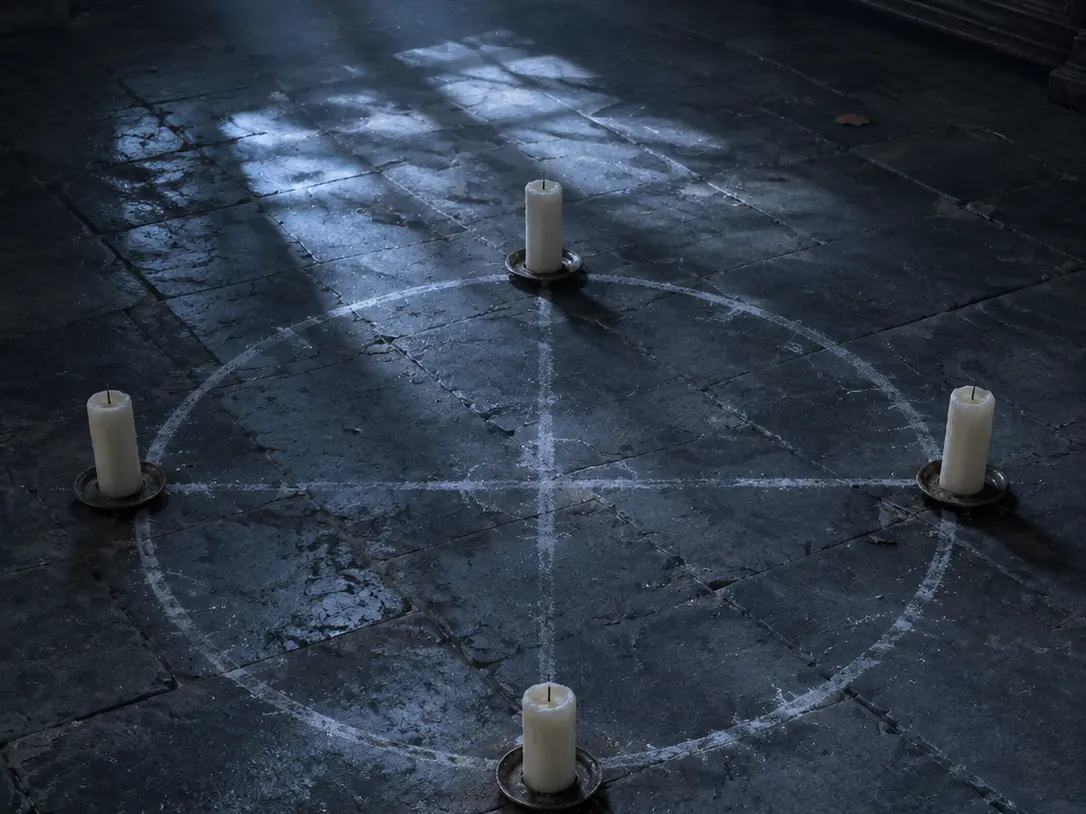
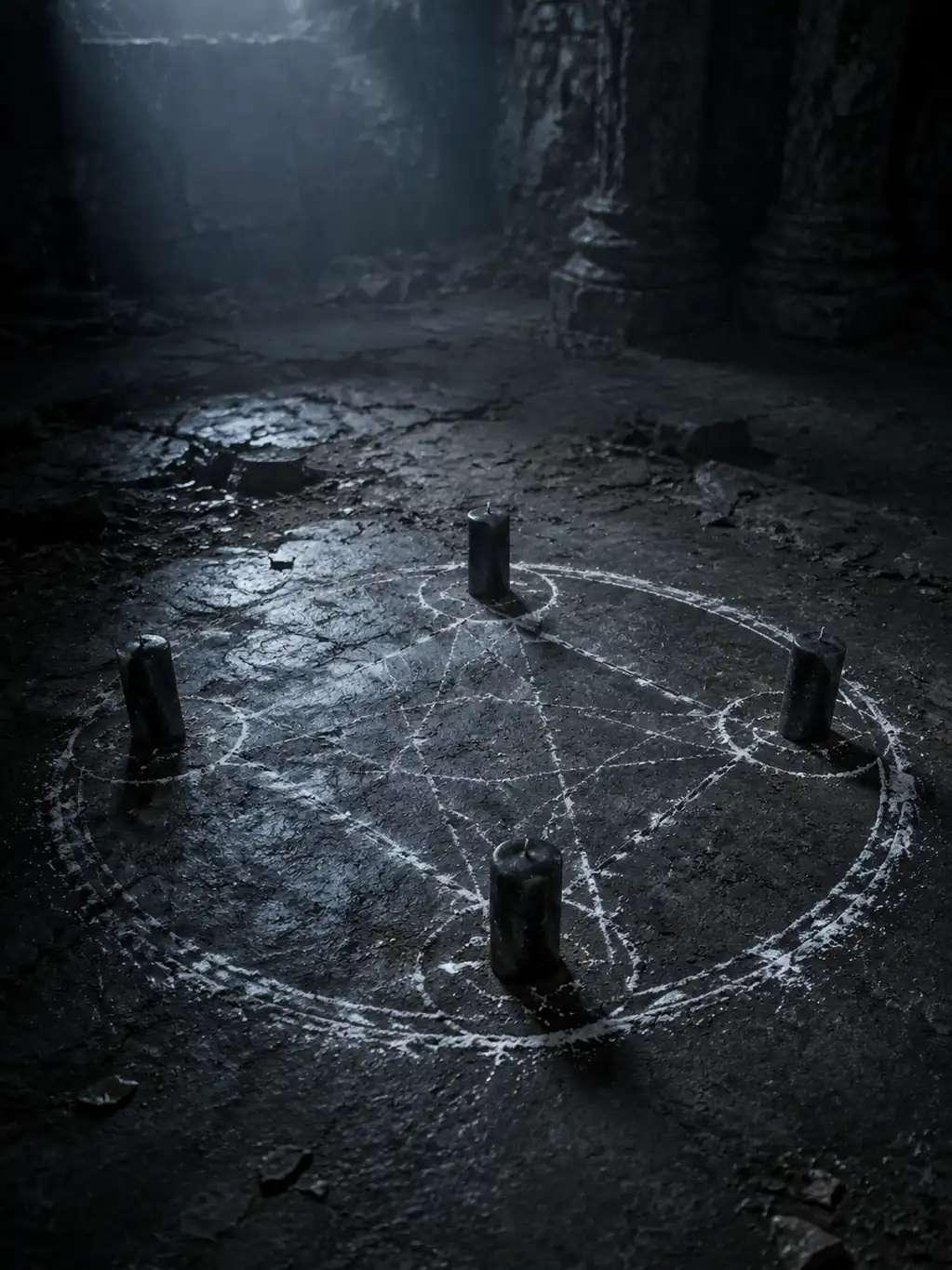
Chalk circle on stone with four unlit candles, cold moonlight, dust, 3:4
Try This Style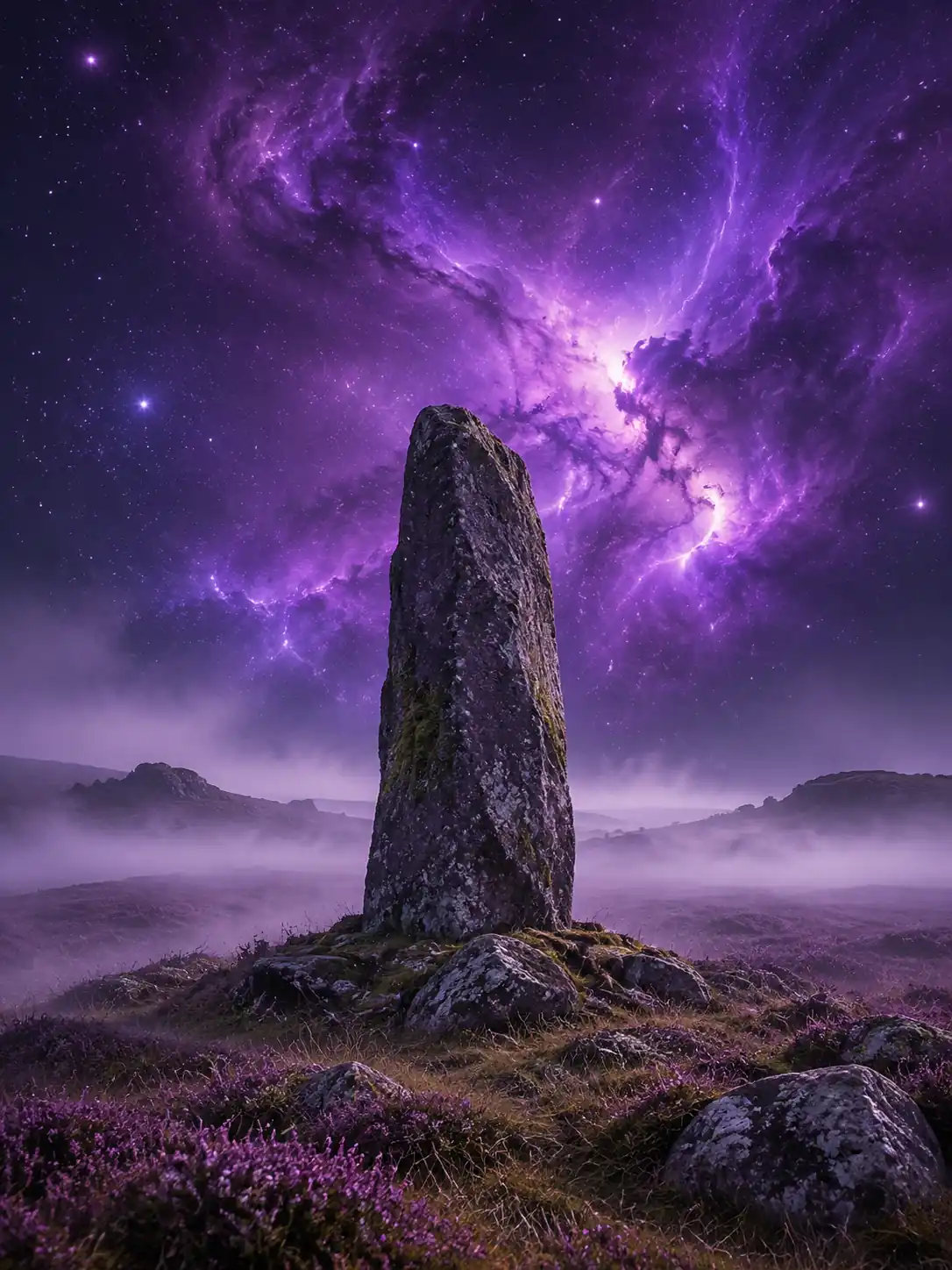 Studio
Violet nebula behind a standing stone on a moor, low fog, 3:4
Try This Style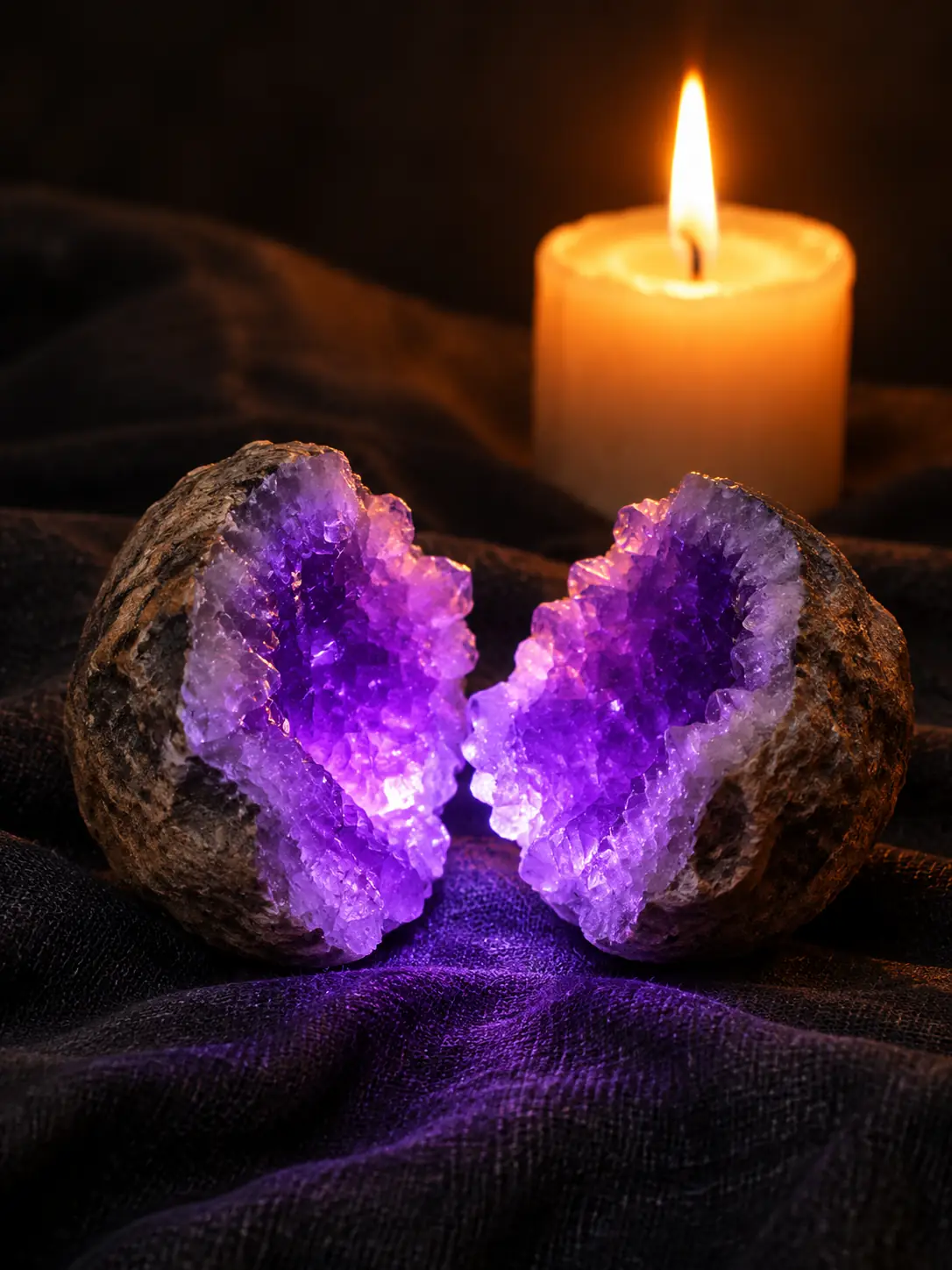 Studio
Split geode glowing inside on dark linen, one candle behind, 3:4
Try This Style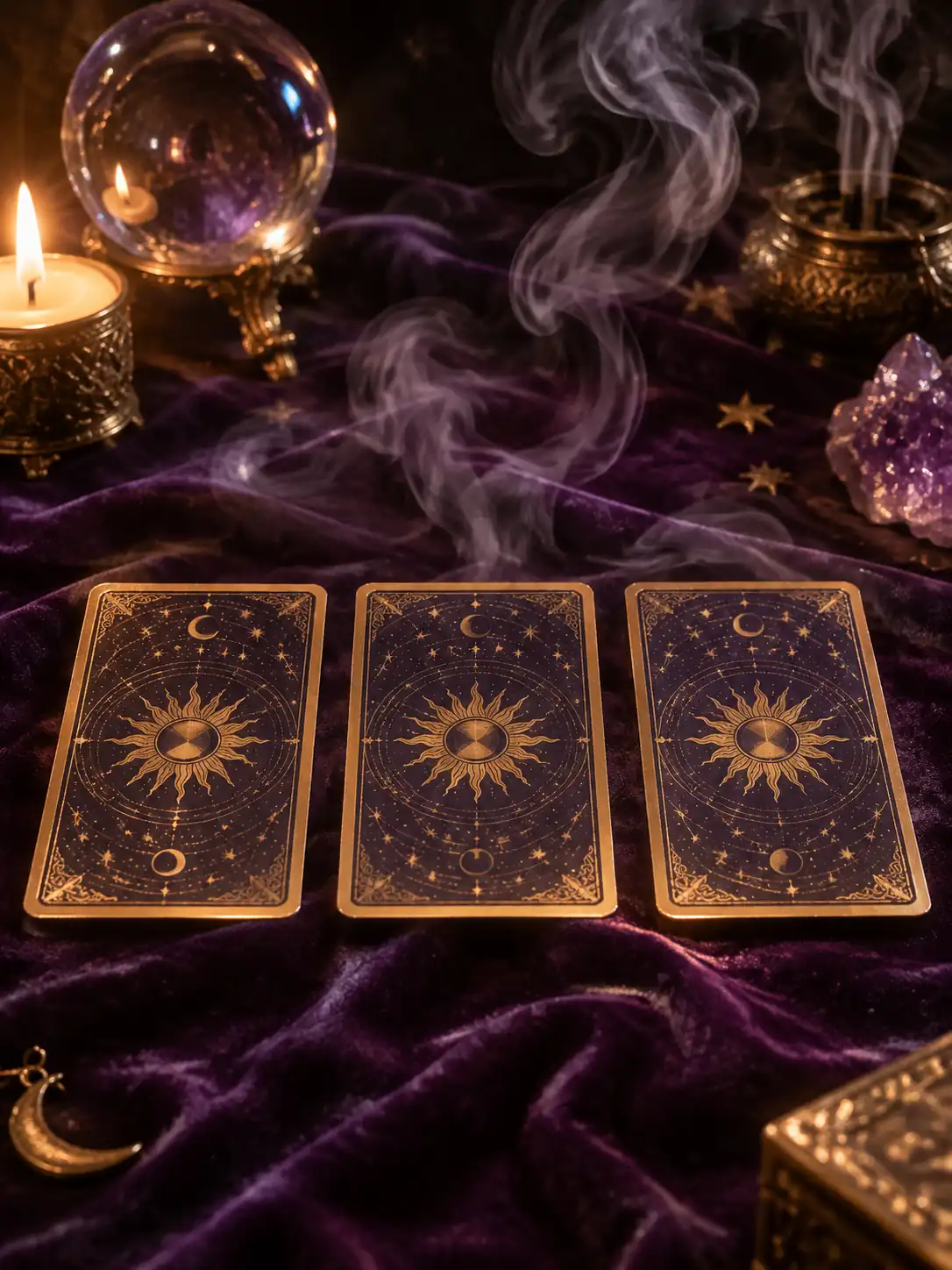 Character
Three face-down tarot cards on velvet, gold edges, smoke, 3:4
Try This Style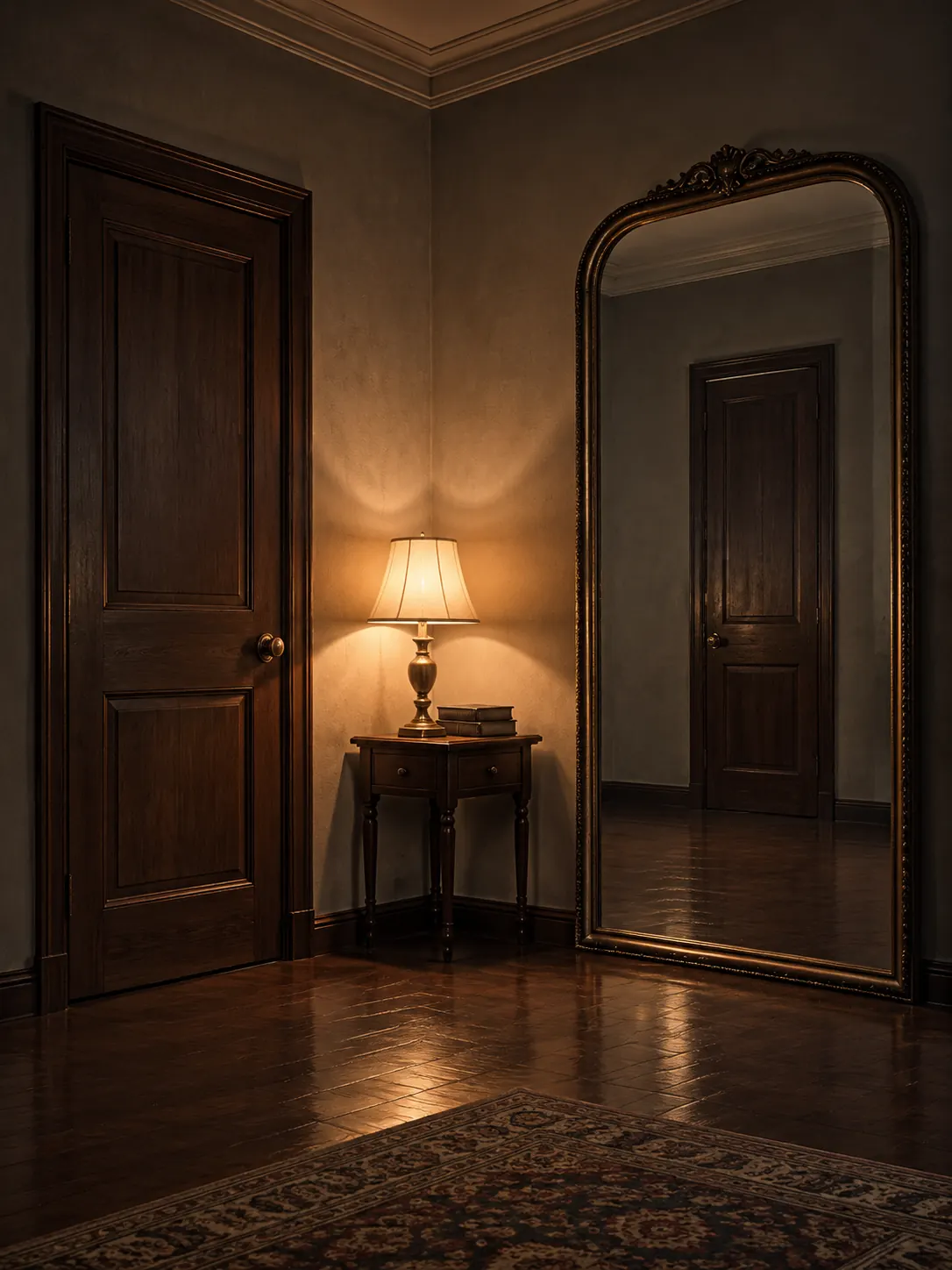 Character
An empty room with one mirror reflecting a second door, dim lamp, 3:4
Try This Style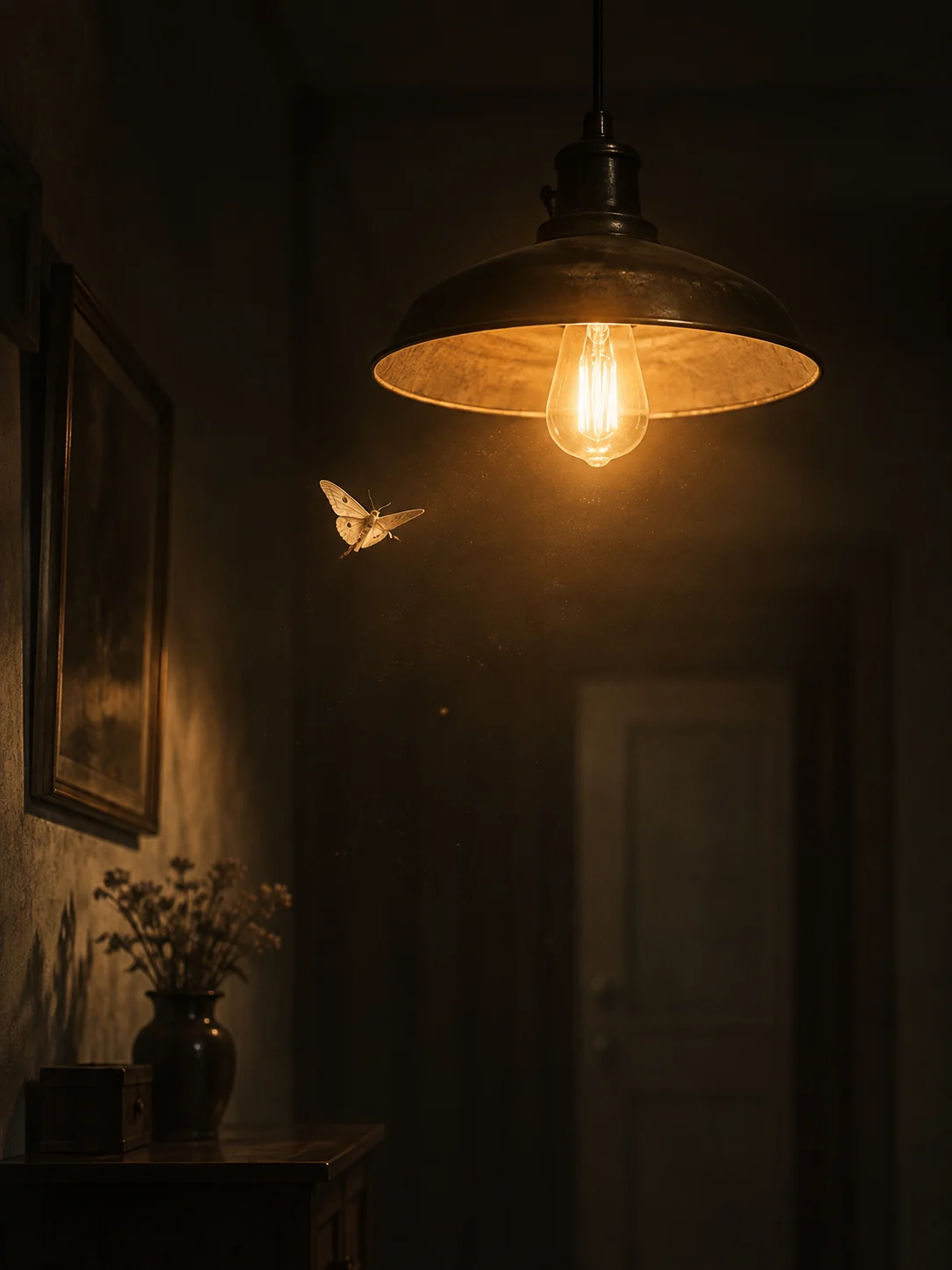 Character
A single moth circling a hanging lamp in a dark hall, warm halo, 3:4
Try This Style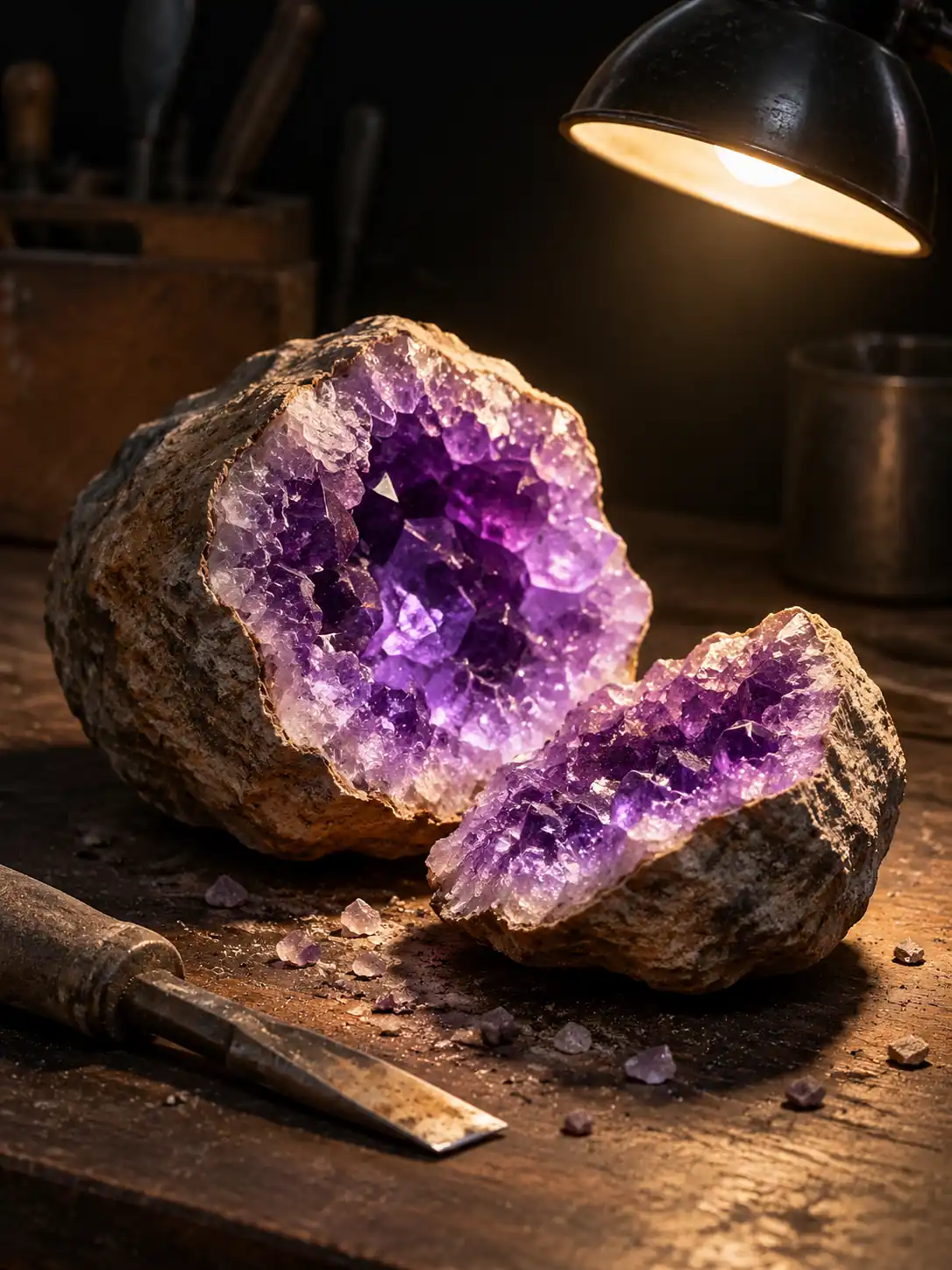 Scene
Deep violet nebula field with a thin gold ring, stars sharp, 3:4
Try This Style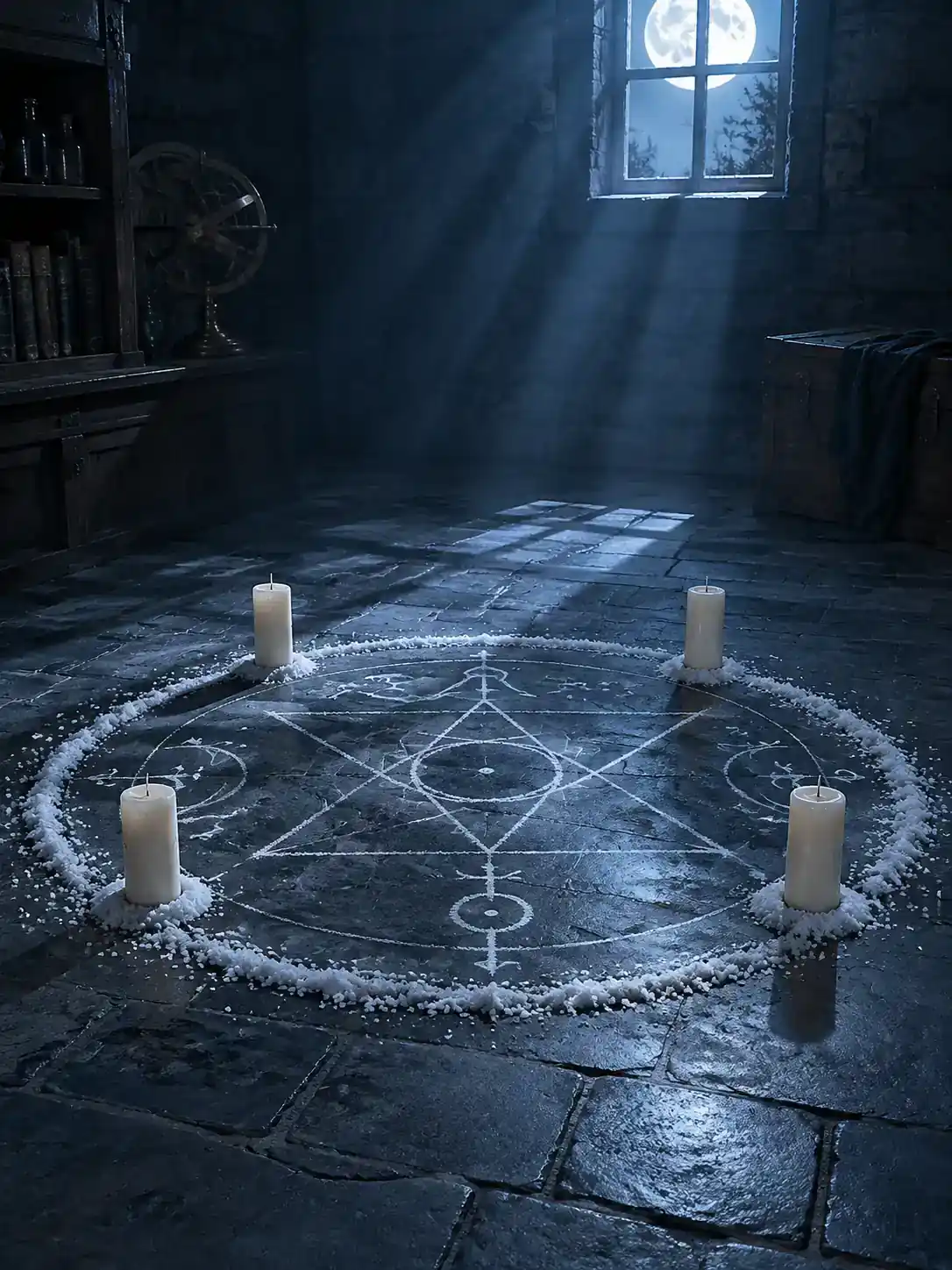 Scene
Black still water with one reflected star, reed silhouette, 3:4
Try This Style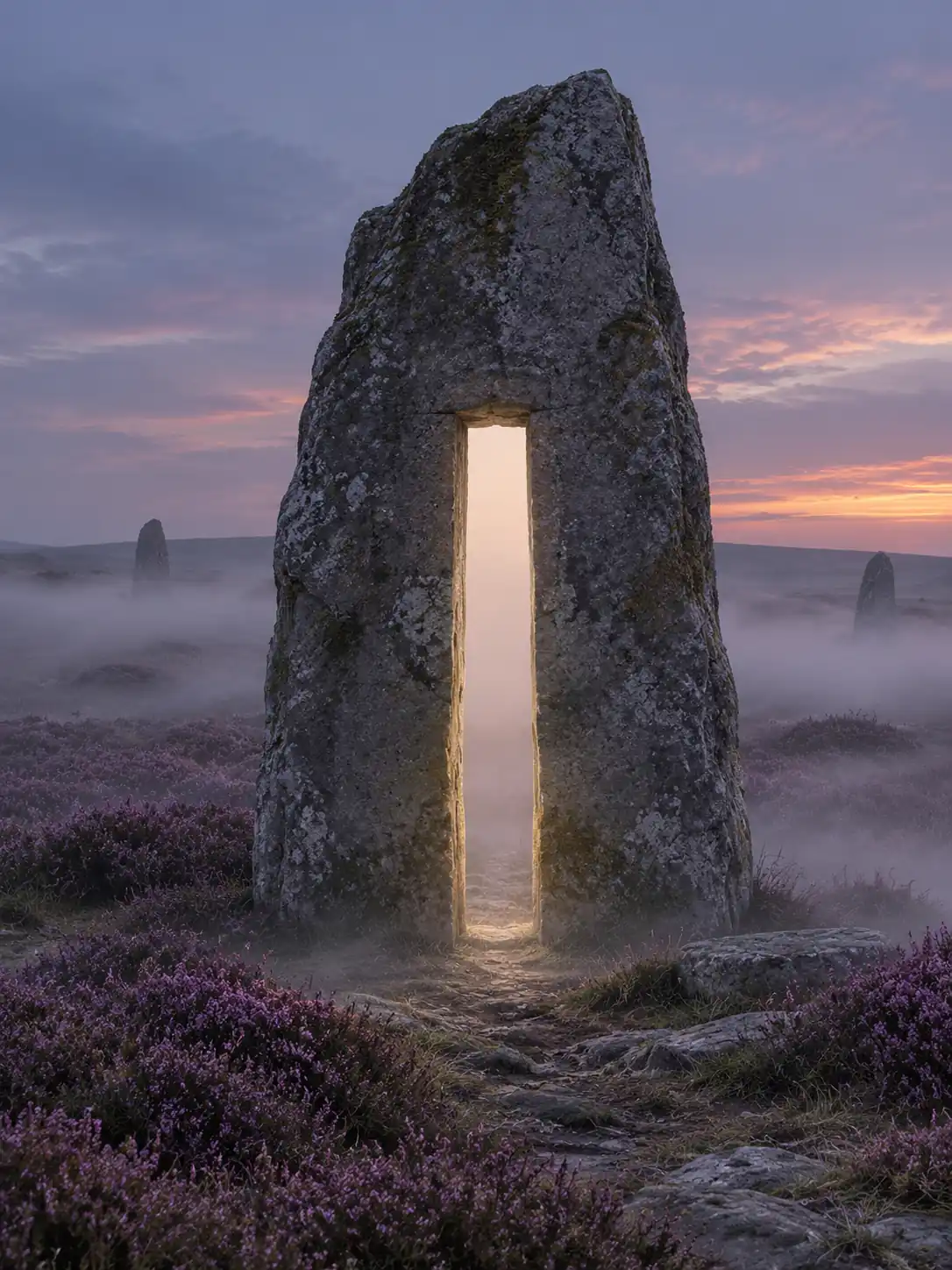 Detail
A salt line across a dark threshold, one candle at the end, 3:4
Try This Style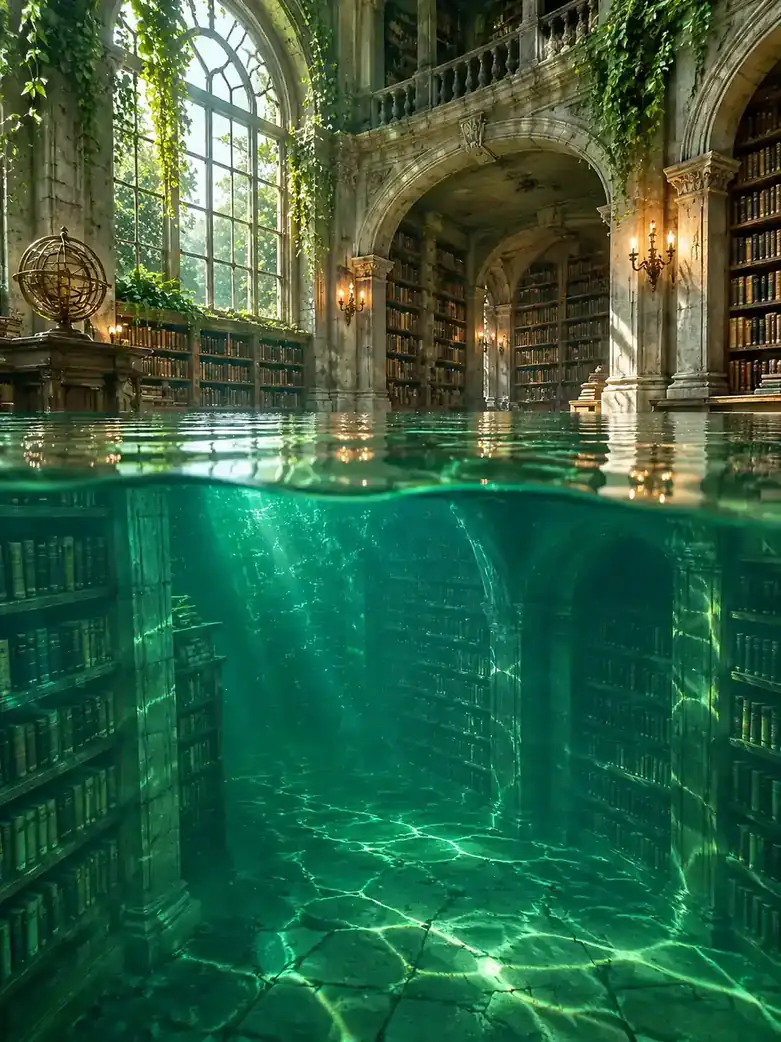 Detail
A narrow door standing alone in a moonlit field, open, 3:4
Try This StyleGlow needs somewhere to land. Give it a surface and a colour.
A single source casts one set of shadows. Adding a second glow doubles the shadows and the eye stops believing the space, even if it cannot say why.
Wet basalt and chalk take light differently. Naming the surface gives the highlight a texture, and texture is what separates a photograph from a gradient.
No figures means the viewer stands in the space. A robed figure turns the image into fan art for a story the reader has not been told.
3:4 leaves space above for a title, 16:9 suits a wide banner. Ask for the shape first, then place the glow where the type will not cover it.
Violet reads as unnatural, amber reads as firelight. Pick one temperature and let it own the frame, because a mix of both is the default purple fog.
Runes and sigils come back as shapes, not a real alphabet. Treat them as texture and set any actual word in type, or the meaning will be invented.
I needed a cover for a self-published fantasy novel and the first three attempts were all purple mist. Describing wet basalt and a single crystal in the floor, then leaving the left third black, gave me something a designer could set type into.
I run tabletop games and use the ritual group for handouts. The chalk circle with salt and unlit candles is the one my players remember, mostly because the darkness around it is real rather than a vignette painted on afterwards.
I use these as mood boards before a shoot, not as final art. For that they are quick and specific, though I would not sell a print of one without checking the licence, since the composition is generated rather than shot.
Yes. Name the place, one glowing object and the material it sits on. A cave with a lit crystal is workable; a vague request for magic usually returns purple fog with nothing to look at.
Two light sources flatten a scene. Pick one glow, say what stays in darkness, and keep a third of the frame in true shadow. That contrast is what makes the light read as light.
No. The scene is generated from words only. Nothing from your machine is sent, which also means you are not borrowing a photographer's cave or a game studio's key art as a reference.
The first render is free. Sets, cover-sized exports and the premium models need a paid plan, and the free model is listed first in the picker.
A book cover or a personal project is usually fine under the model licence. For a commercial game, check the licence terms and keep the marks abstract, since runes and sigils come back as shapes rather than a designed language.