

Paper Grain
Cotton paper has tooth, and the pencil skips over it. Ask for visible fibre and a slightly broken line, and the image stops looking digitally smooth.
Prompt Guide
Model
Reference Image
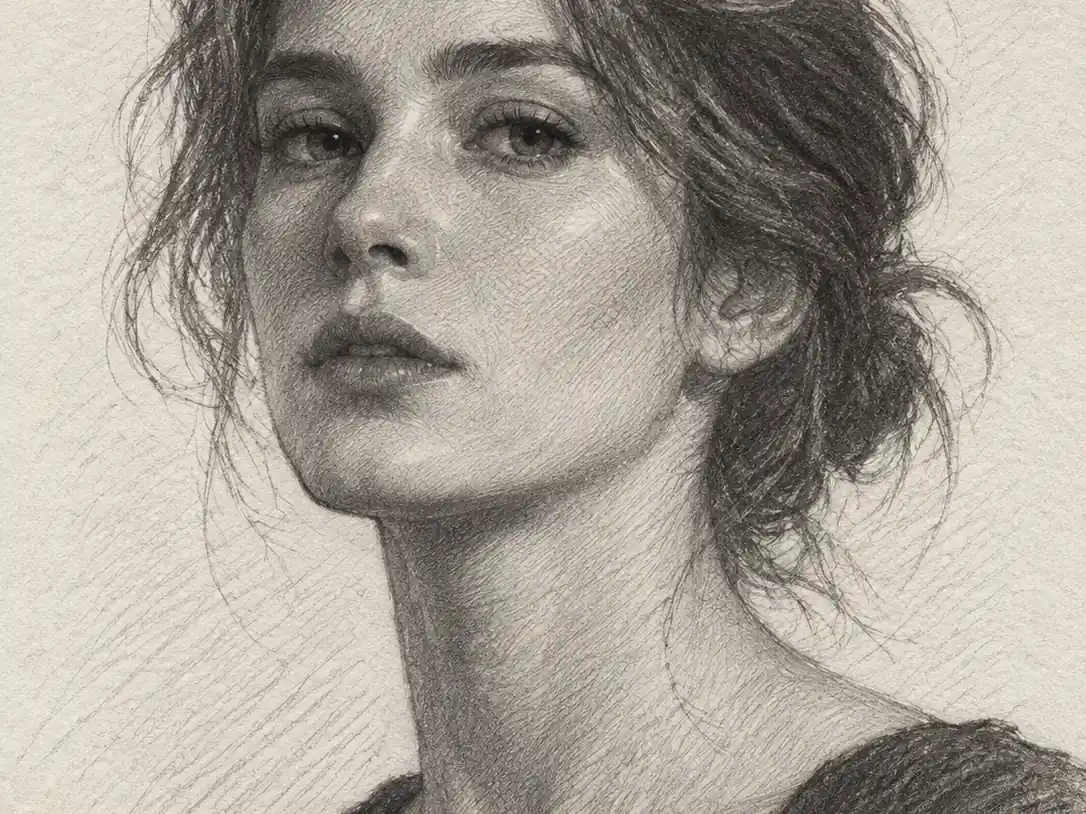
Start from a scene or a photo you own, and get graphite or coloured pencil artwork with real paper tooth, visible hatching and a drawing that stops before it is finished.
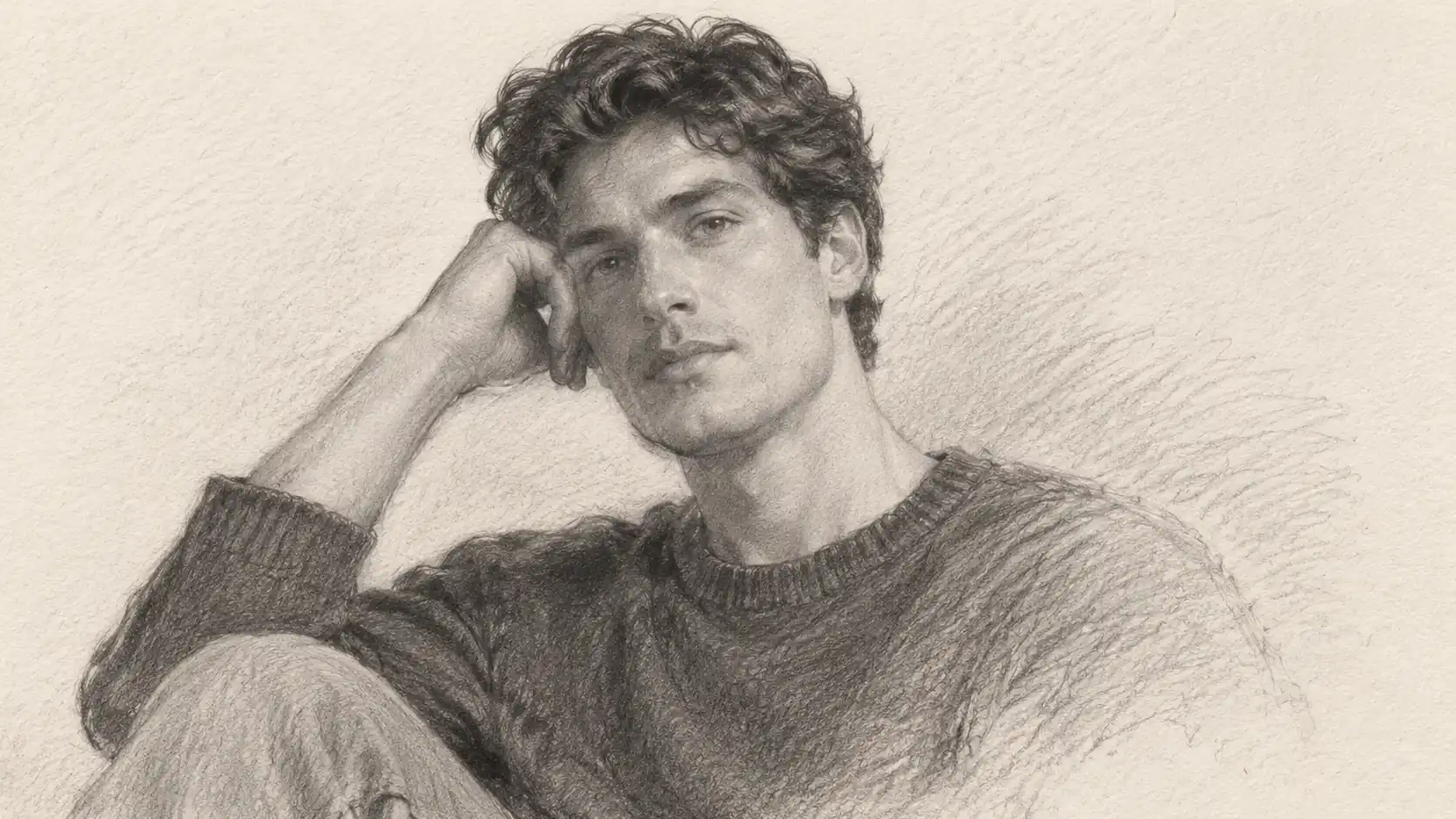
Subject, pencil, then finish level.
A tree, a table, a facade, a face. Say what is in the frame and what leaves it, because a drawing that fills every corner looks like a photograph with a filter.
Graphite, coloured pencil, charcoal or ink wash. Each has its own edge, and graphite is the only one that keeps a soft silver highlight on textured paper.
Say how dark and how far. Cross-hatching on the shadow side, paper left bare in the light. Naming the direction of the strokes makes the marks look drawn by a hand.
Let a shoulder or a corner fade into bare paper. An unfinished edge is the strongest signal that this is a drawing rather than a photograph run through a filter.
Ten drawings across four subjects, from an eye study to a cathedral facade.
 Studio
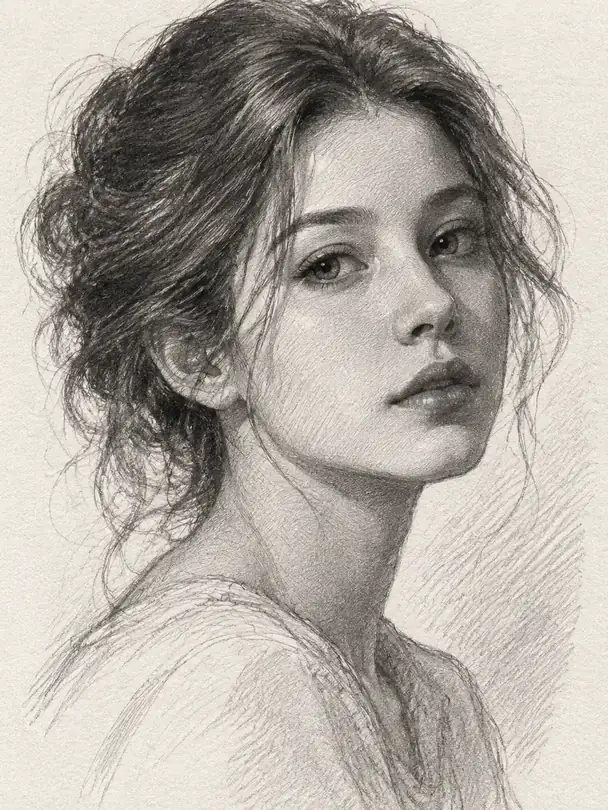
Graphite portrait on cold-press paper, hatching in the cheek shadow, 3:4
Try This Style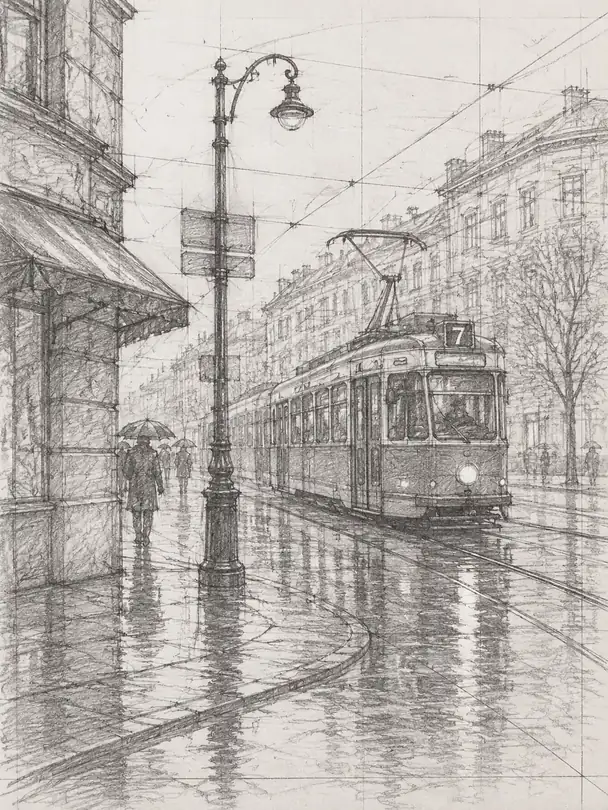 Studio
Wet street corner with a tram in pencil, construction lines visible, 3:4
Try This Style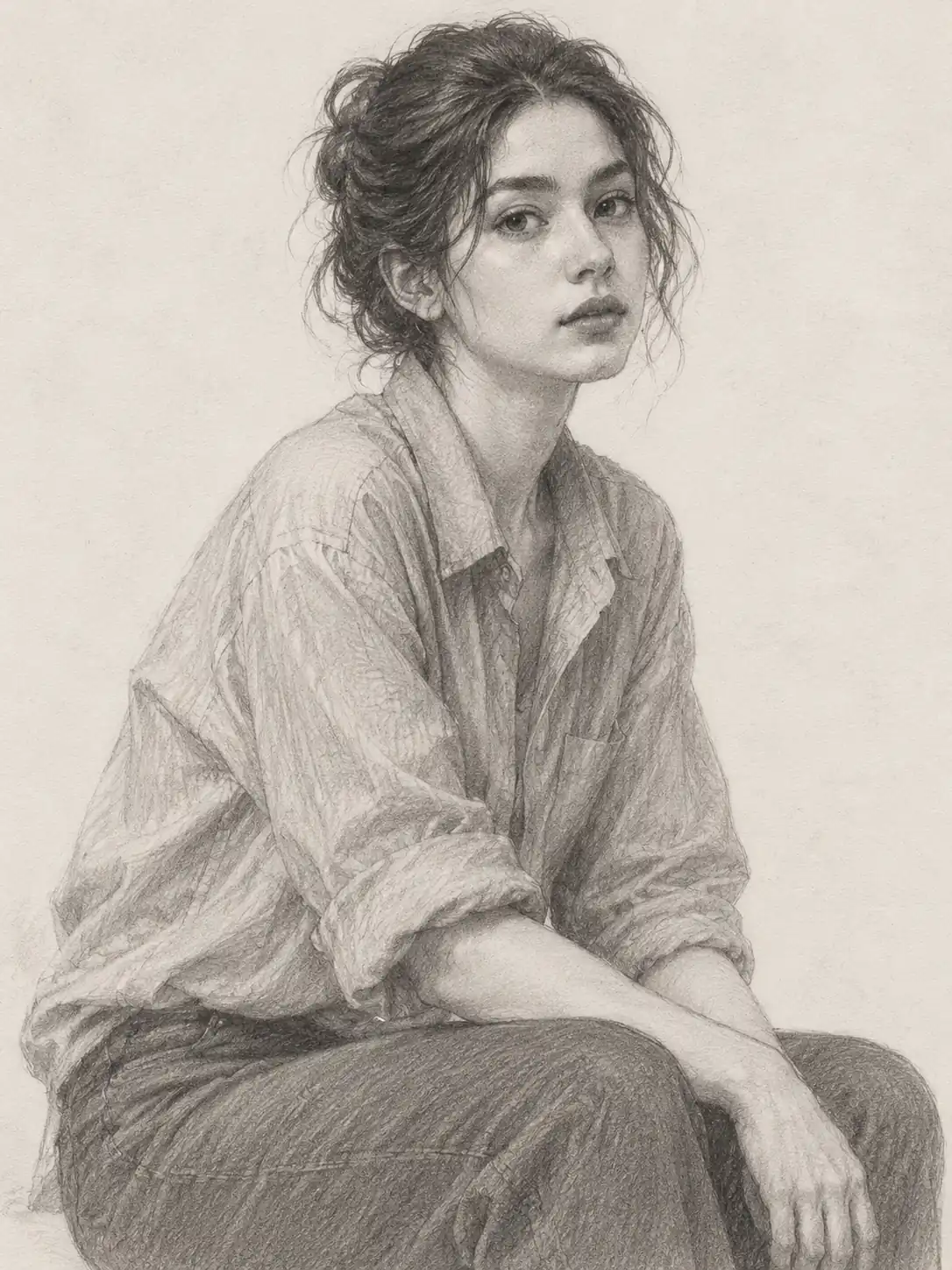 Studio
Seated figure in three-quarter view, soft graphite, eraser lift, 3:4
Try This Style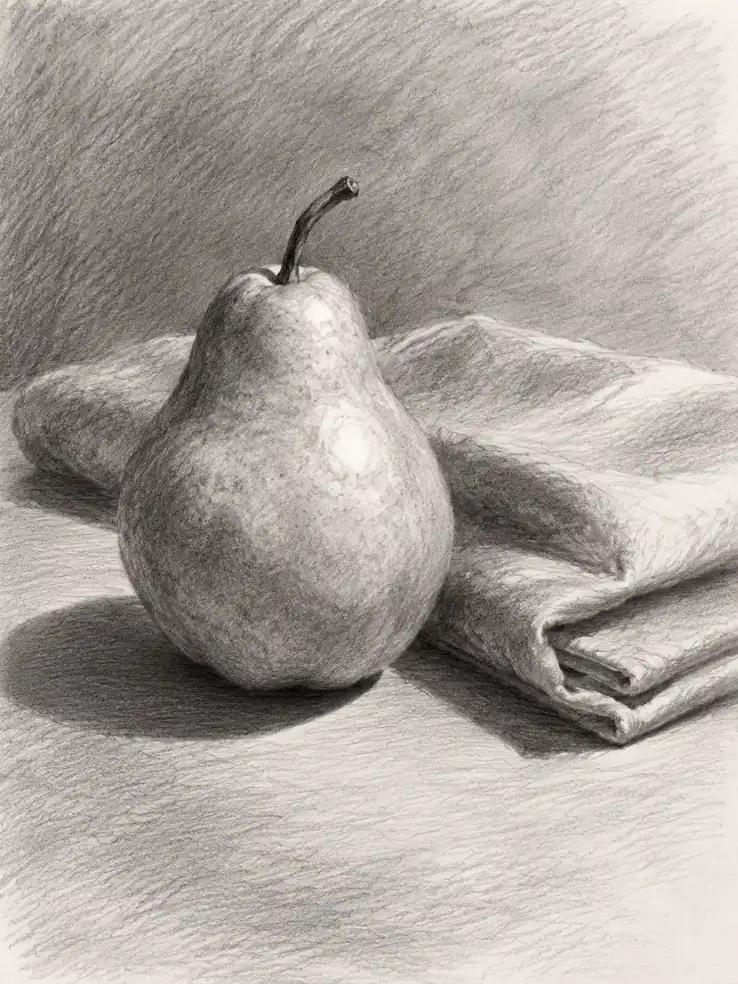 Character
Pear and folded cloth in pencil, strong cast shadow, smudged mid-tones, 3:4
Try This Style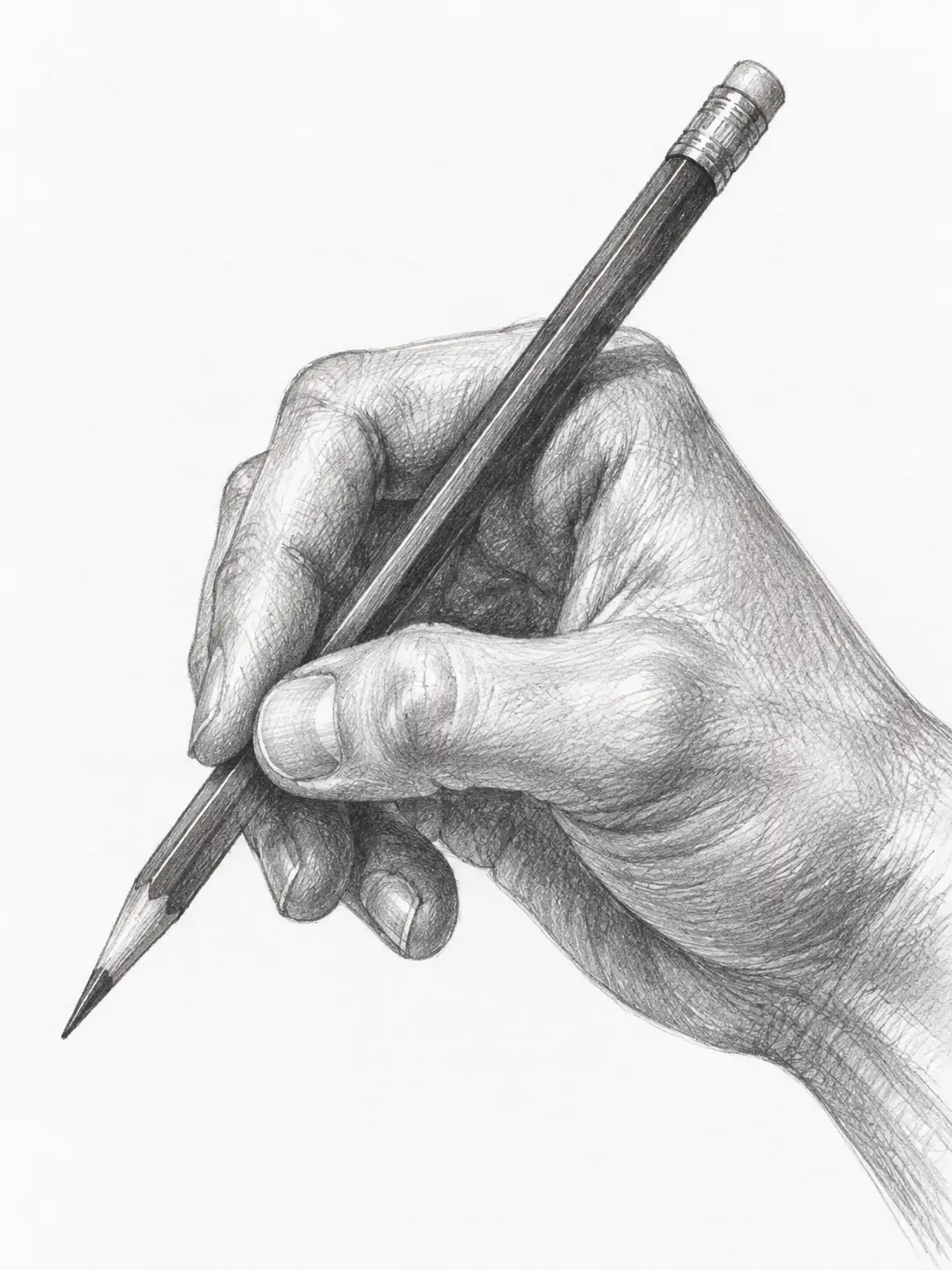 Character
A hand drawn in graphite holding a pencil, knuckle hatching, 3:4
Try This Style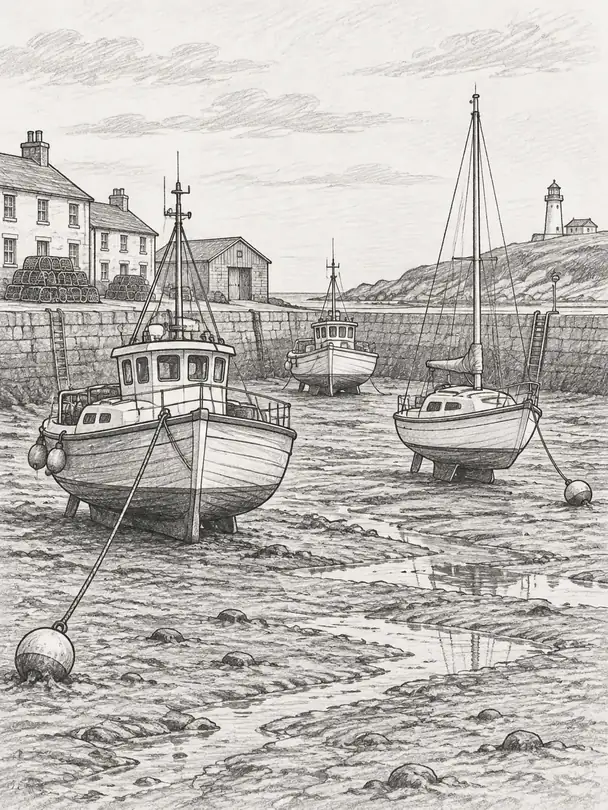 Character
Harbour at low tide in pencil, boats drawn with firm outline, 3:4
Try This Style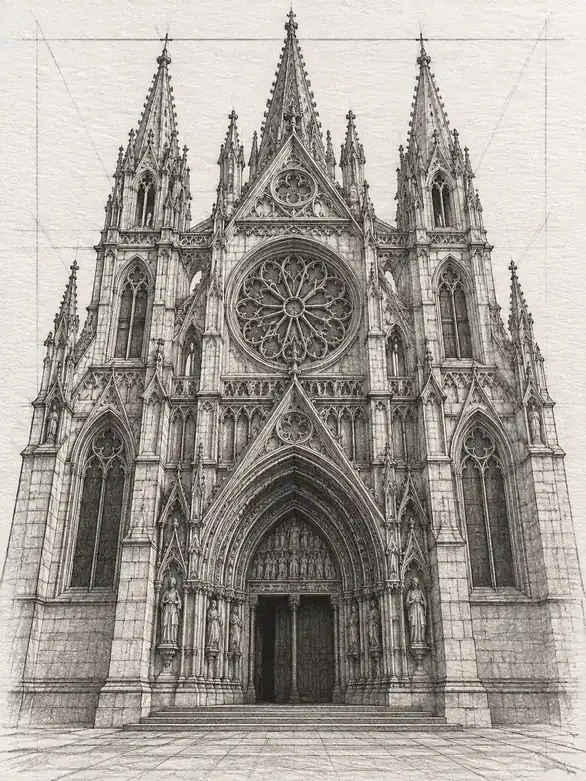 Scene
Close study of an ear in graphite, cross-hatched shadow, paper texture, 3:4
Try This Style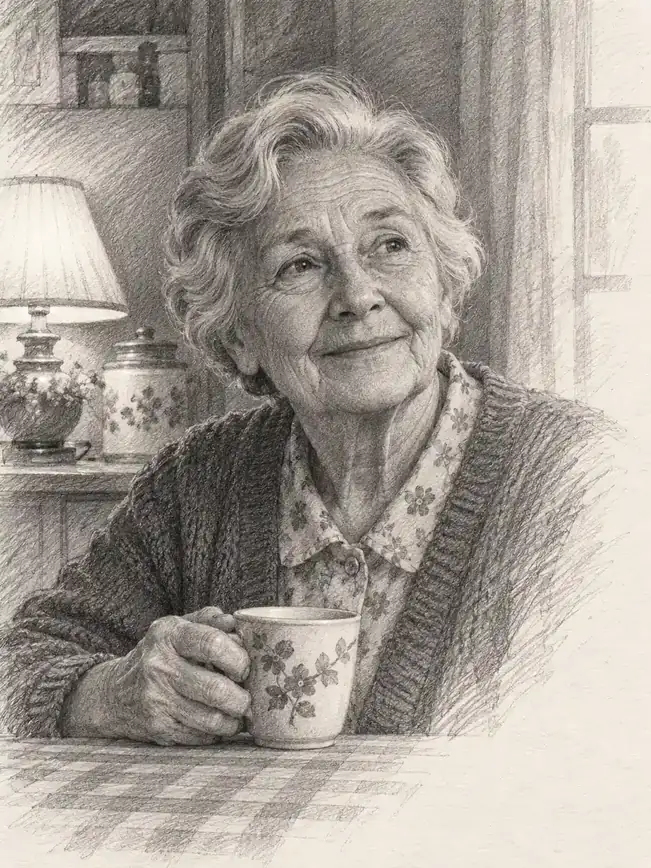 Scene
Cafe table with a cup and chair in pencil, loose lines, 3:4
Try This Style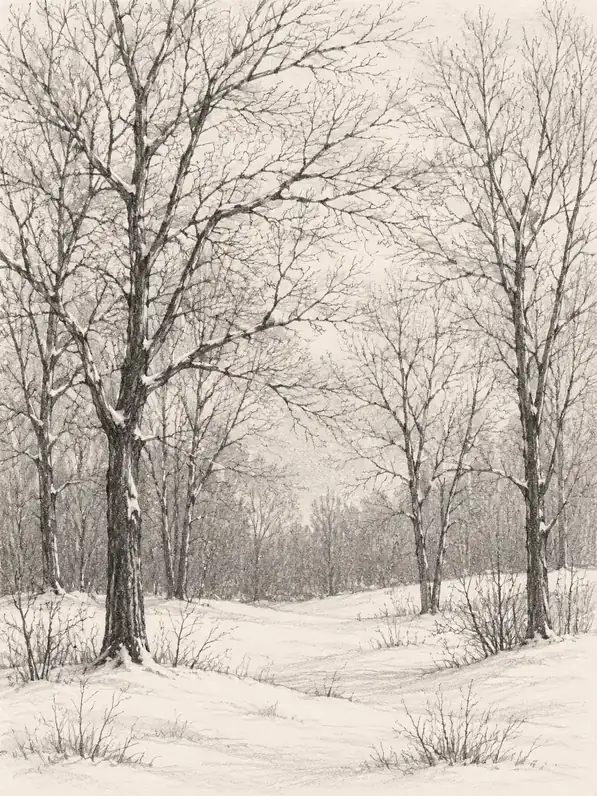 Detail
Bare trees in pencil with varied pressure, snow ground, 3:4
Try This Style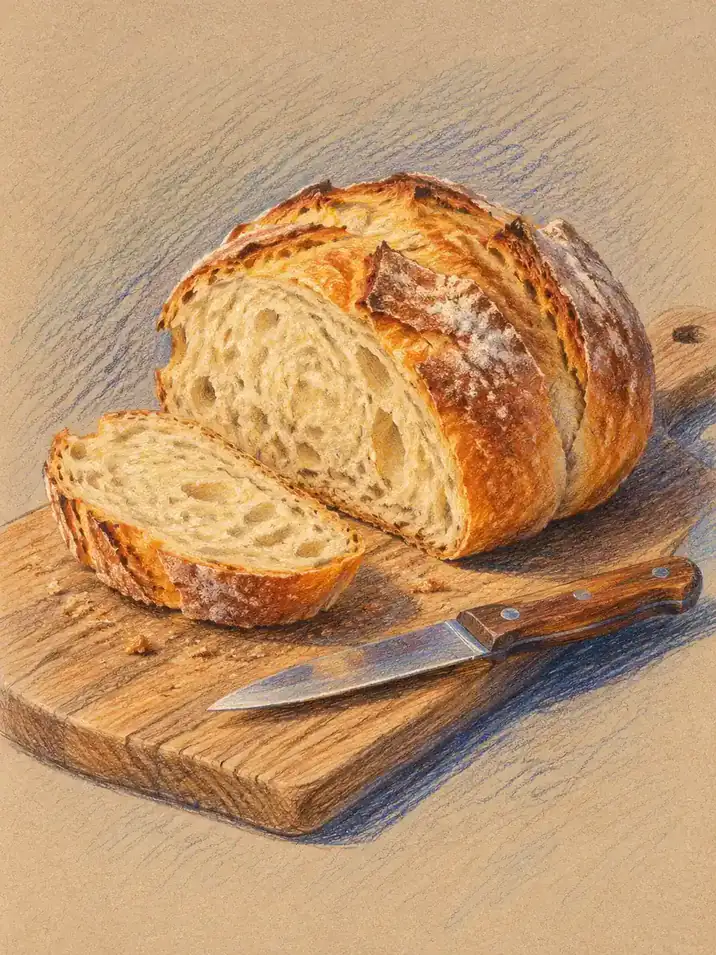 Detail
Sleeping cat in pencil, soft graphite fur, one hard edge on the floor, 3:4
Try This StylePaper, pressure and unfinished edges do more than any style word.
Cotton paper has tooth, and the pencil skips over it. Ask for visible fibre and a slightly broken line, and the image stops looking digitally smooth.
HB is light and even, 6B is dark and soft. Naming the grade sets the contrast of every mark in the frame, which is more useful than asking for realism.
Bare paper at one edge reads as a study. A fully rendered drawing reads as a print. The choice tells the viewer whether they are looking at a draft or a product.
Describe the photo you are working from in words instead of uploading it. Your reference stays on your machine, and the result is a drawing rather than a trace.
Coloured pencil layers rather than blends. Ask for visible overlapping strokes and paper showing through, or you get a smooth digital painting in a pencil frame.
A face comes back approximate. Expect to reroll two or three times for a portrait commission, and never promise a client an exact likeness from one pass.
I sketch buildings for planning conversations and use this for early studies. The facade group gets the perspective right more often than my own hand does, and the unfinished edge means a client reads it as a proposal rather than a finished visual.
My portraits kept coming back as photographs with a grey wash over them. Adding paper tooth, visible graphite dust and hatching on the shadow side is what finally made them look drawn, especially at the jaw and the hairline.
I use it to test compositions before committing to a real drawing. It is fast for that, but the likeness is approximate, so for a paid portrait I still work from the reference myself and use this only to plan the lighting.
Yes, if you describe the photo in words: the subject, the angle and the light. The output is a new drawing rather than a filter over your file, so the paper grain and pencil strokes are generated too.
The paper and the pencil have to be named. Ask for cotton paper tooth, visible graphite dust and hatching, and say how much of the frame stays unfinished. Smooth digital shading is what makes it look filtered.
No. Keep the photo on your machine and describe it instead. That avoids sending a personal picture to a service, and it keeps the result a new drawing rather than a traced copy of someone's face.
The first drawing runs on a free trial. Larger sizes, sets and the premium models need a paid plan, and the free model is marked in the picker before you start.
Check the model licence first, then be honest about what it is: a generated drawing, not a hand-made original. For a paid commission, expect to iterate on the likeness before it is right.