

Silhouette First
A creature should be identifiable as a black shape. If it needs shading to read, the design is not finished, and it will disappear on a map token or a small screen.
Prompt Guide
Model
Reference Image
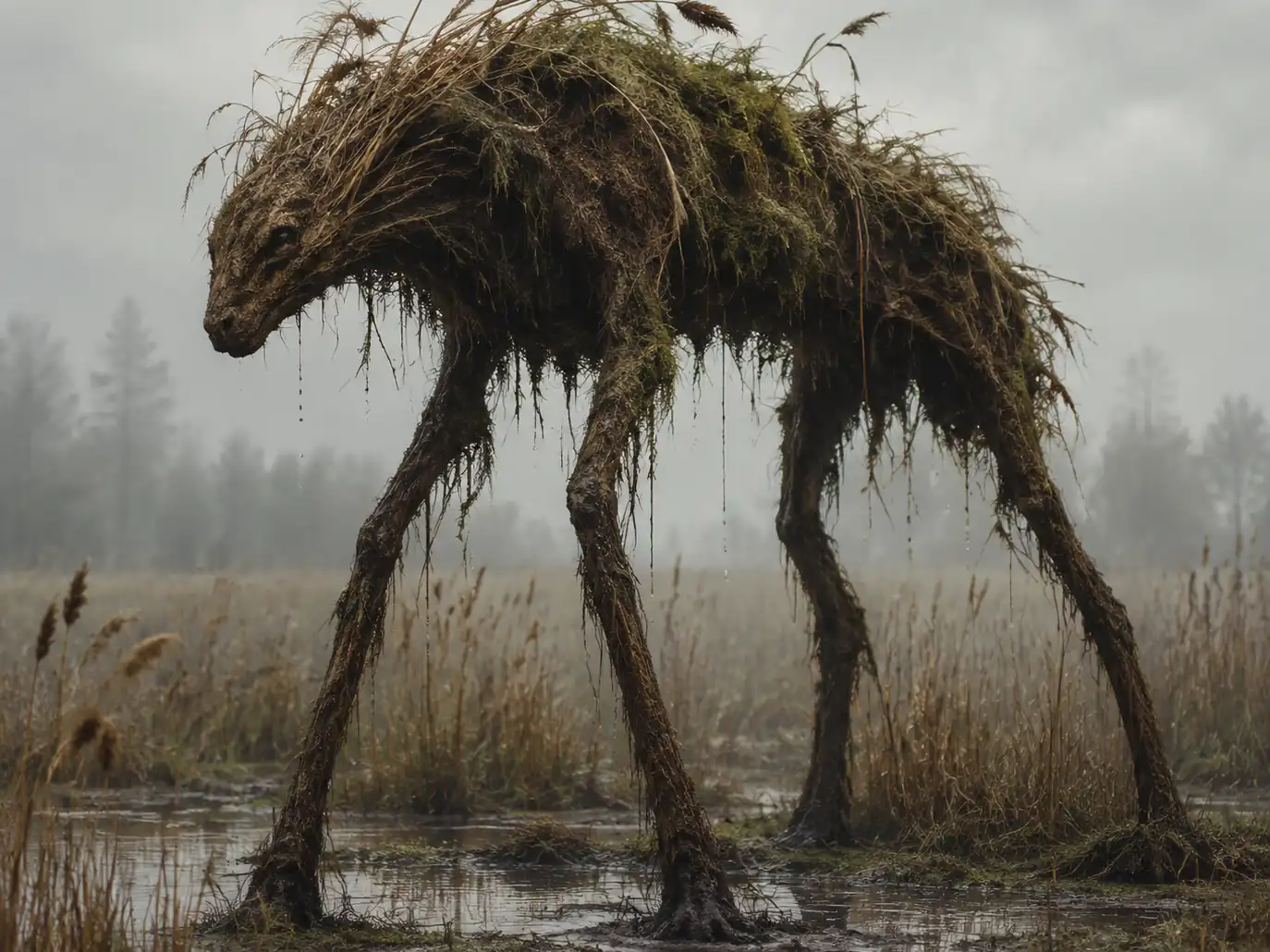
Describe a body plan, a habitat and one impossible feature, and get a creature for a campaign, a bestiary page or a miniature painting reference.
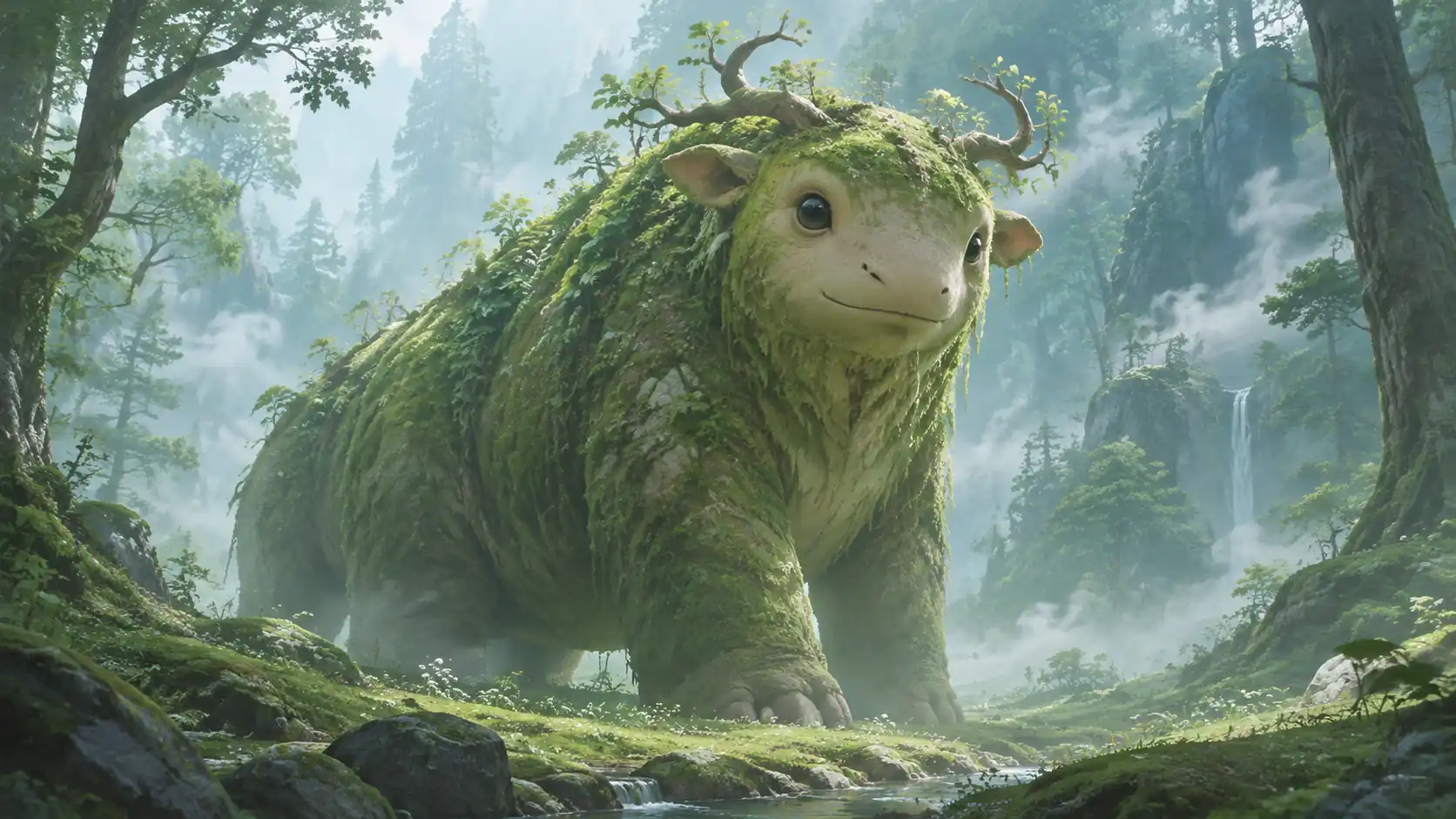
Anatomy first, atmosphere second
How many legs, what it stands on, where the head sits. A count gives the model a skeleton, and a vague shape gives you a blurry animal with extra teeth.
Bog, trench, canopy, cave. The environment sets the material: wet hide, pale shell, bark skin. Material is what makes a creature belong somewhere.
Lantern antlers, a second jaw, eyes on the shoulders. One impossible feature reads as design; four competing ones read as noise, and the silhouette is lost.
Grim, gentle, or tabletop. A guardian for a children's book and a horror antagonist need opposite eyes, and the eyes decide which one the viewer reads.
Ten creatures across four moods, from a garden guardian to a furnace crawler.
 Studio
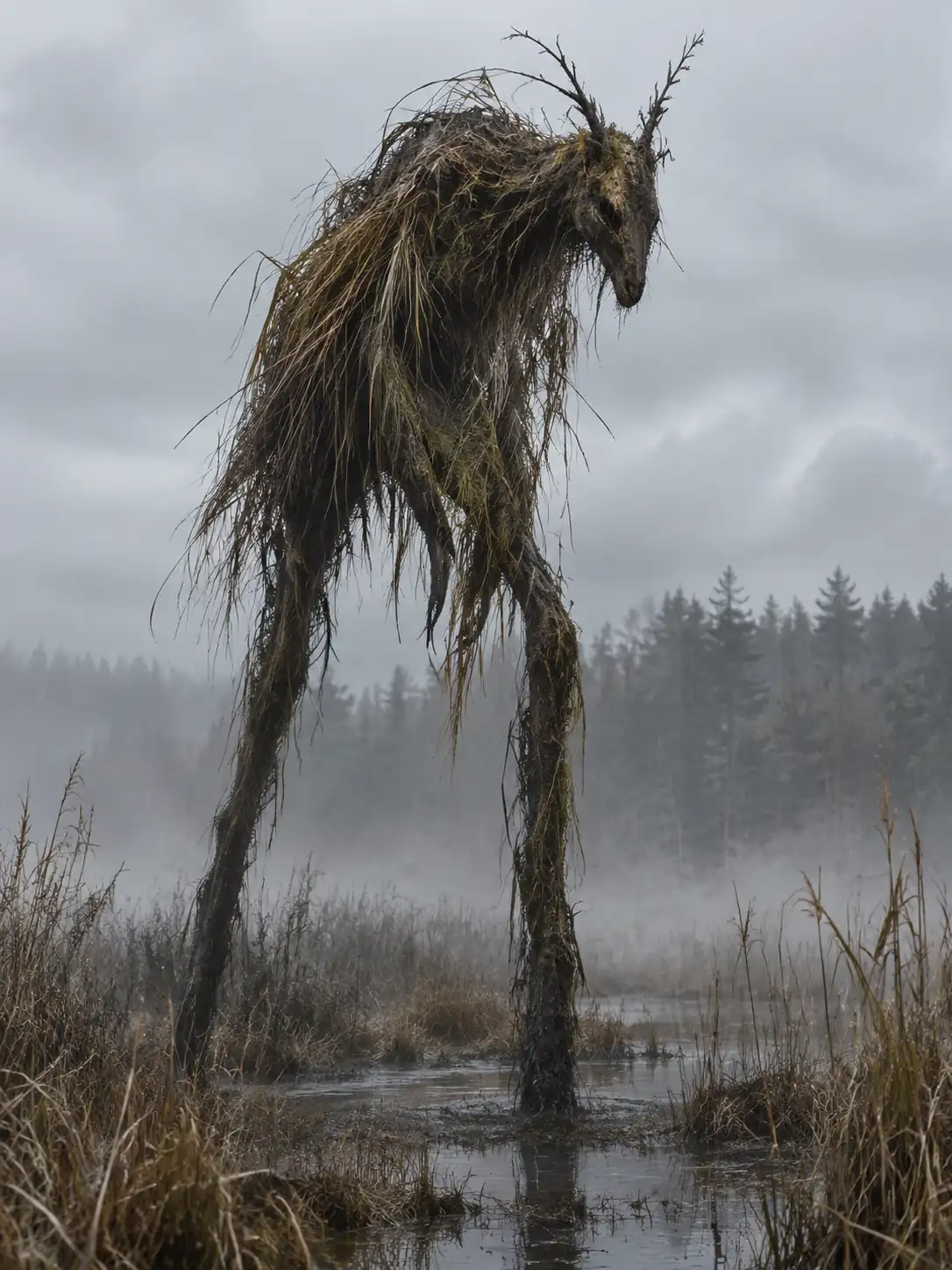
Bog creature of peat and reed, legs too long, overcast marsh, 3:4
Try This Style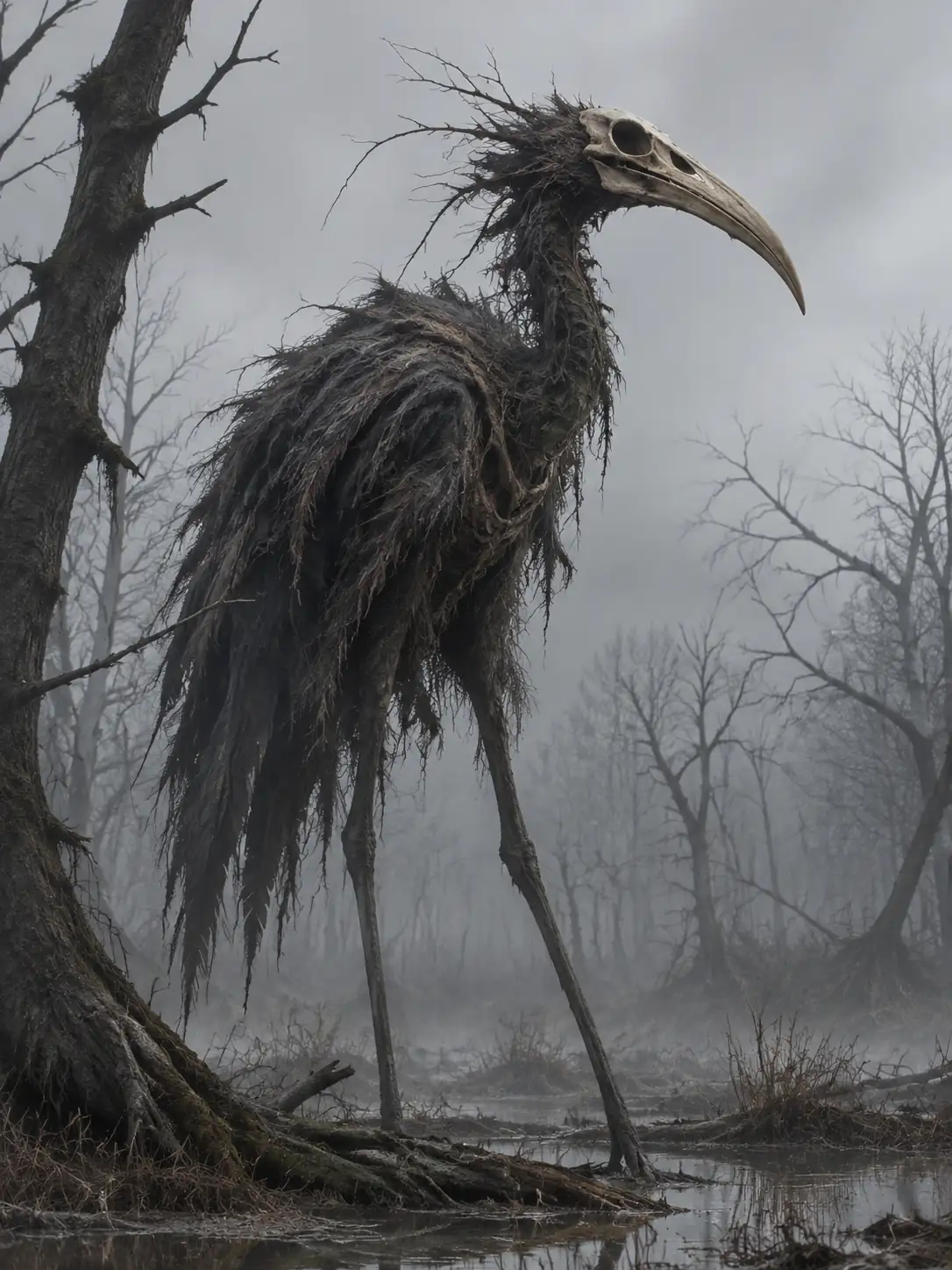 Studio
A tall bird-like creature with a bone beak, dead trees, grey light, 3:4
Try This Style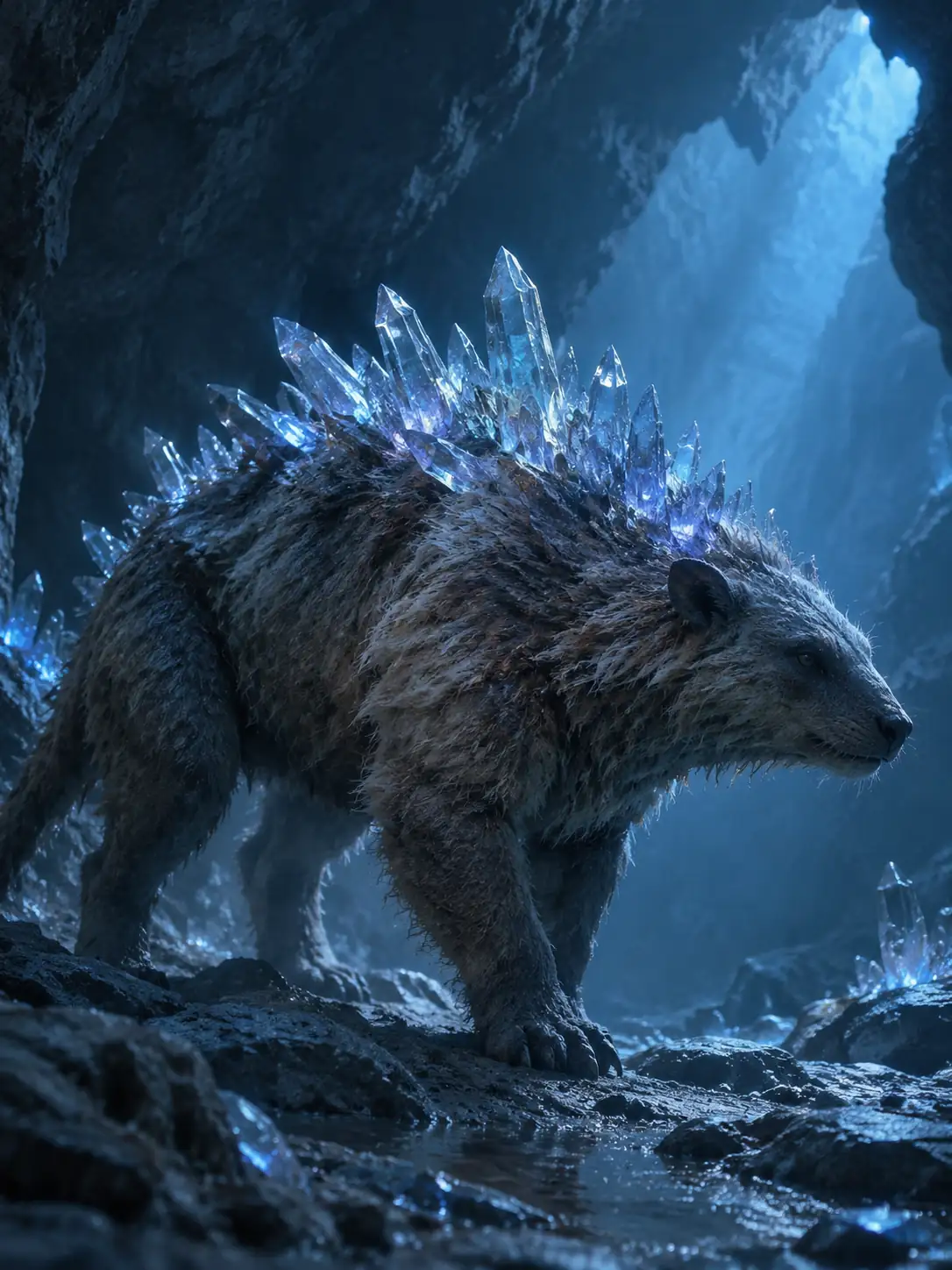 Studio
A beast with crystal growths on its spine, cave, blue light, 3:4
Try This Style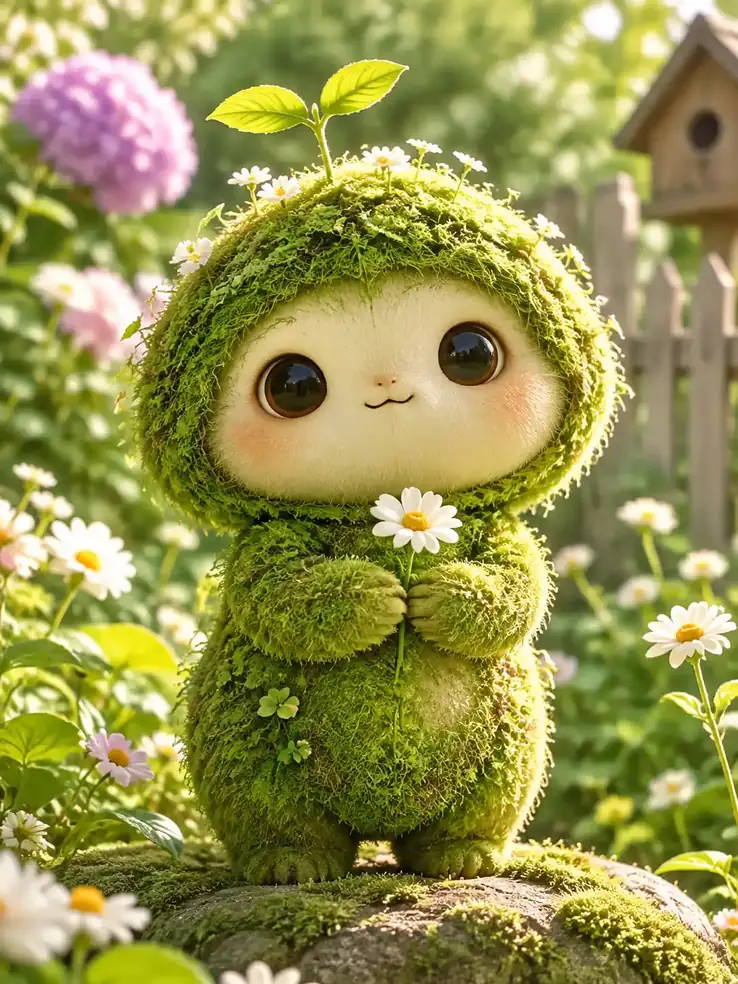 Character
A gentle moss creature in a garden, round eyes, soft daylight, 3:4
Try This Style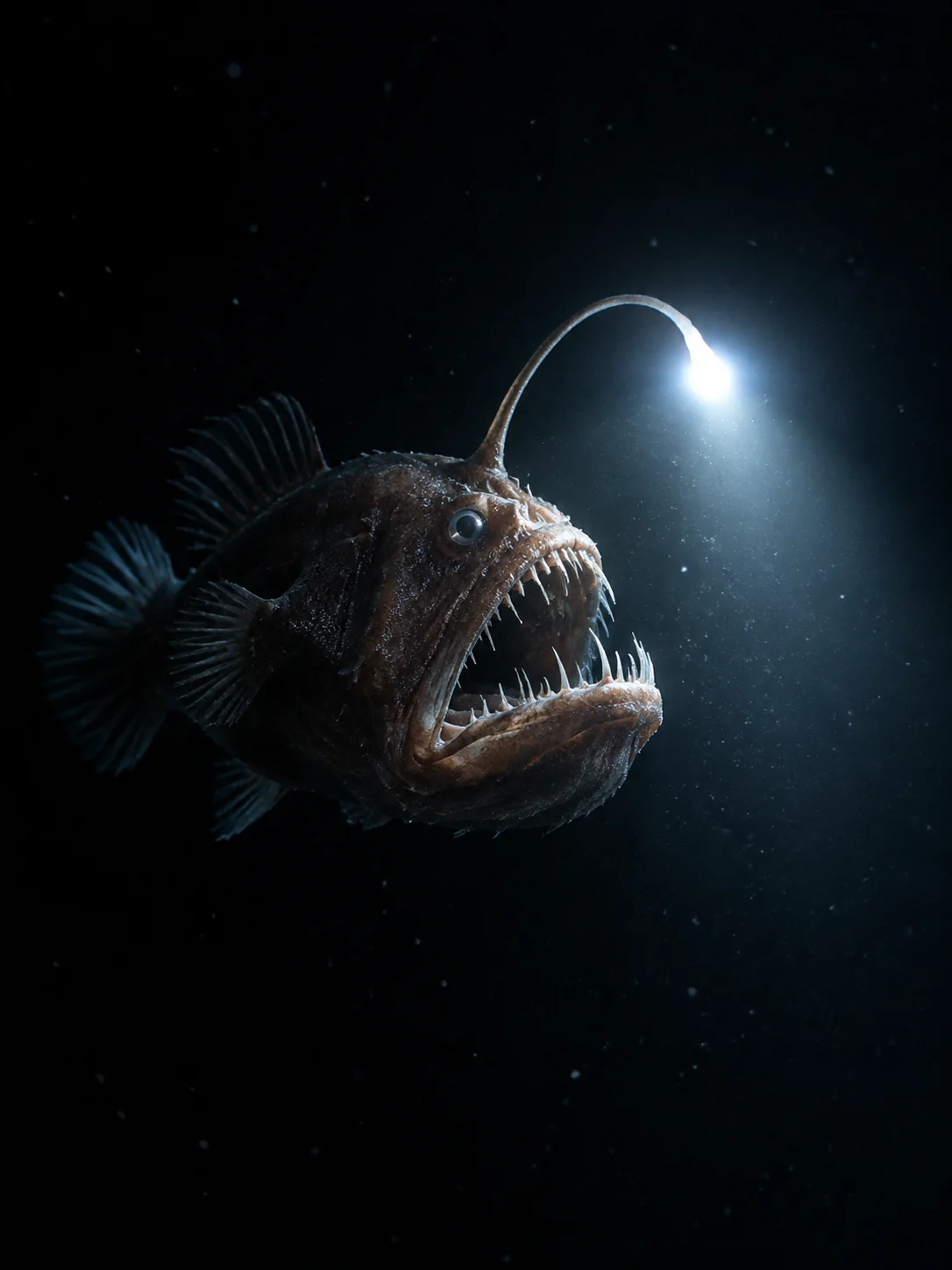 Character
Deep-sea hunter with a lure, black water, single beam, 3:4
Try This Style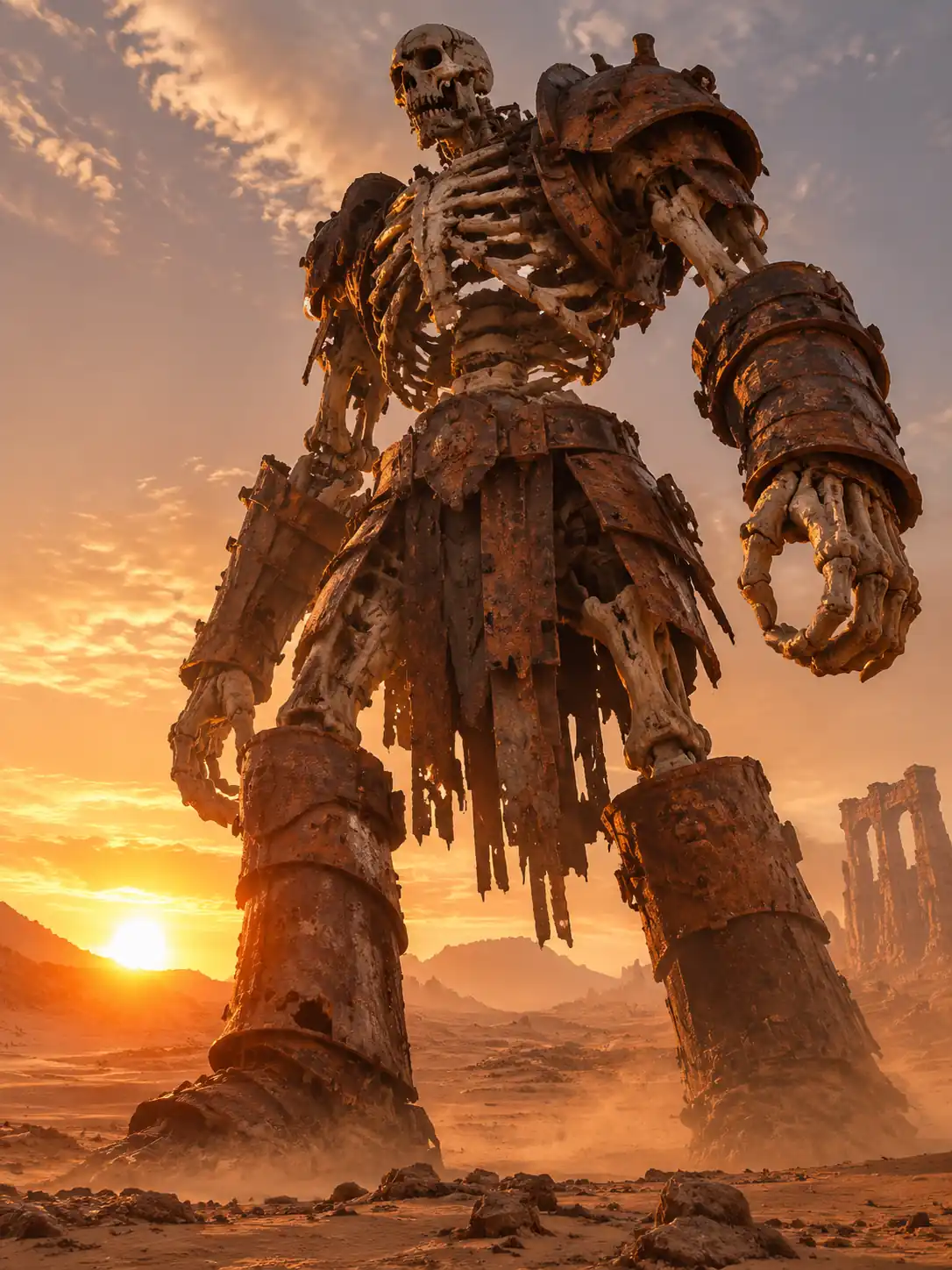 Character
A colossus of bone and rusted iron, desert, low sun, 3:4
Try This Style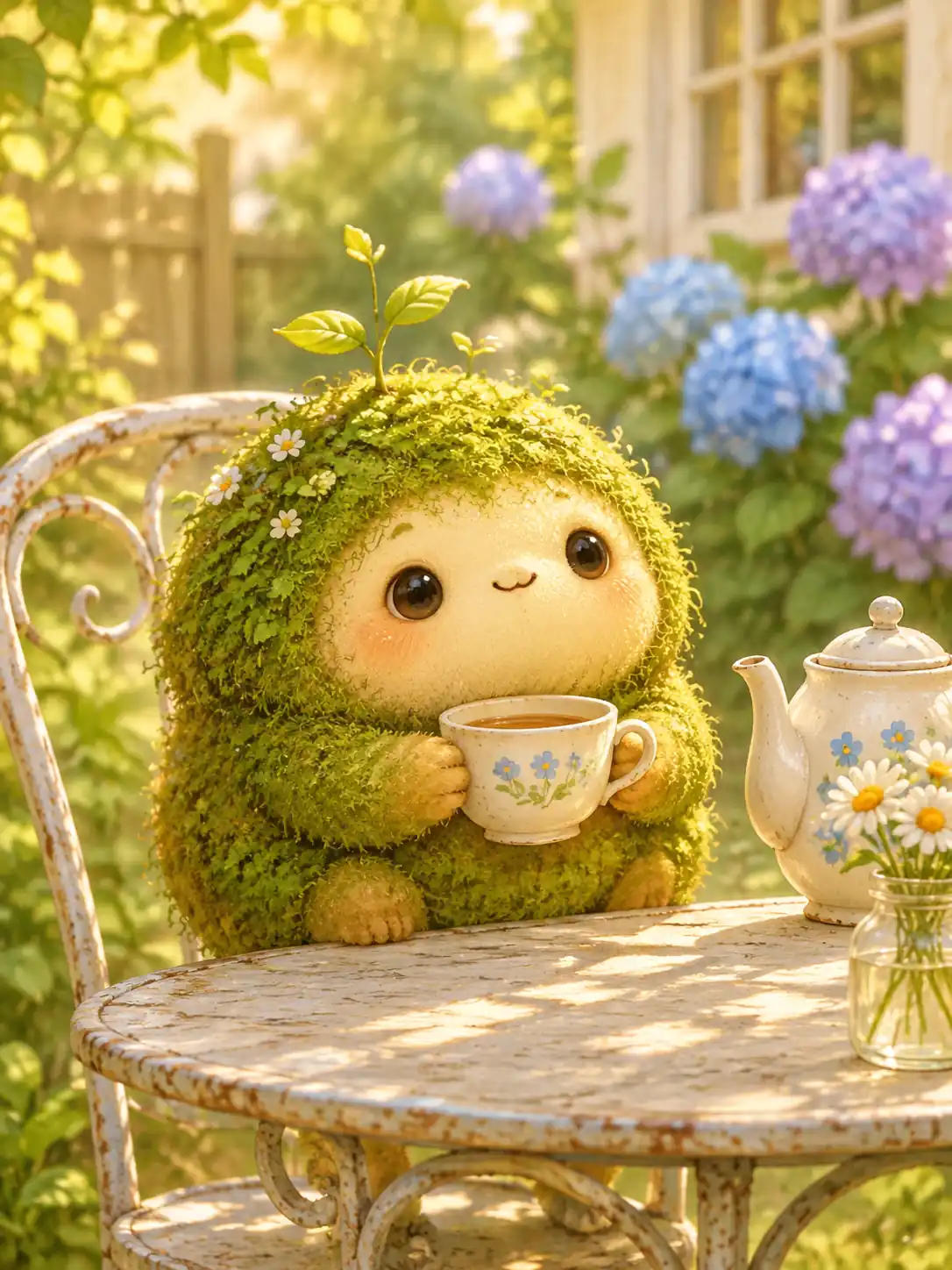 Scene
A small friendly monster holding a teacup, warm kitchen, 3:4
Try This Style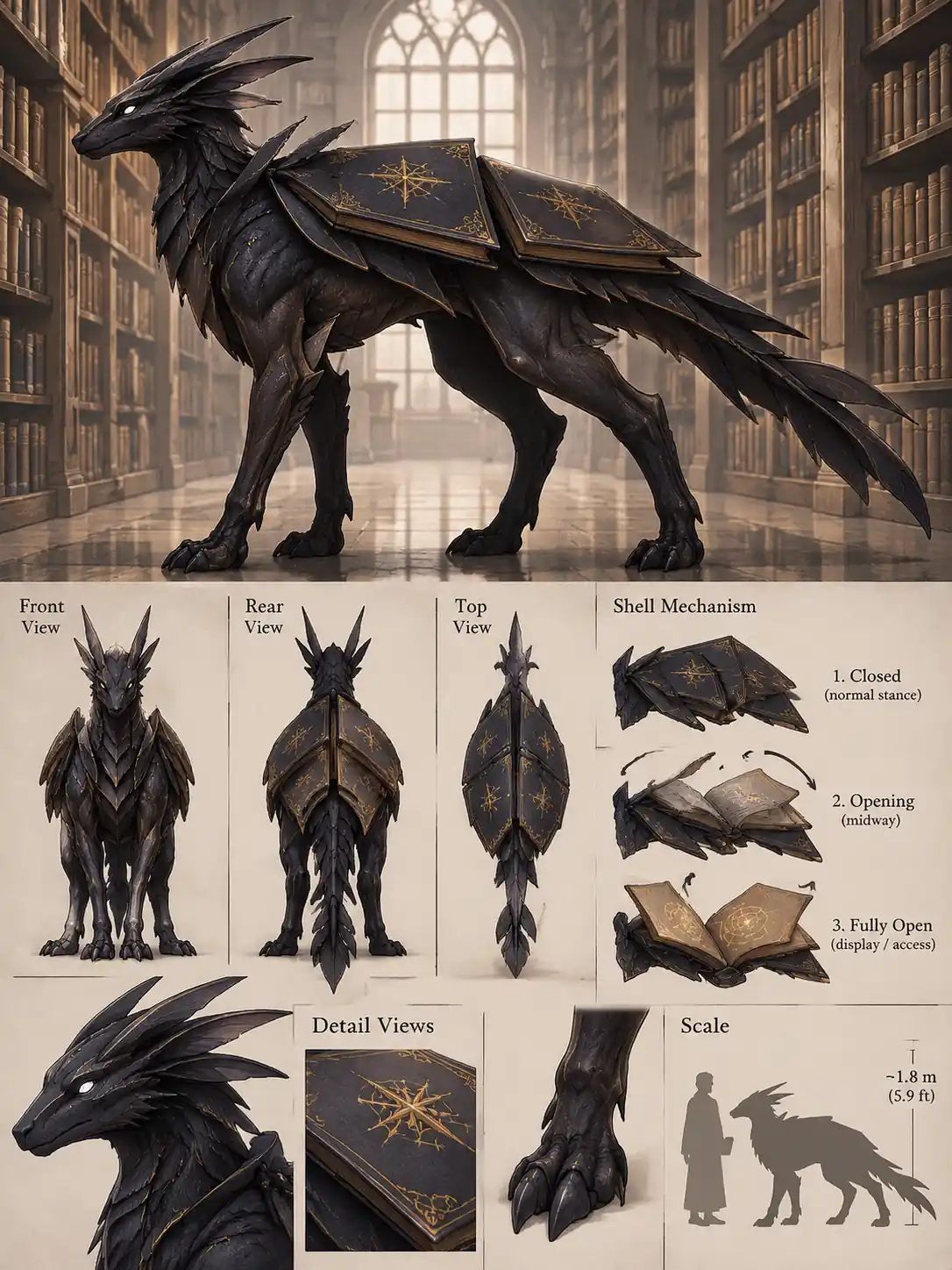 Scene
A creature made of paper and ink in a library, dim lamps, 3:4
Try This Style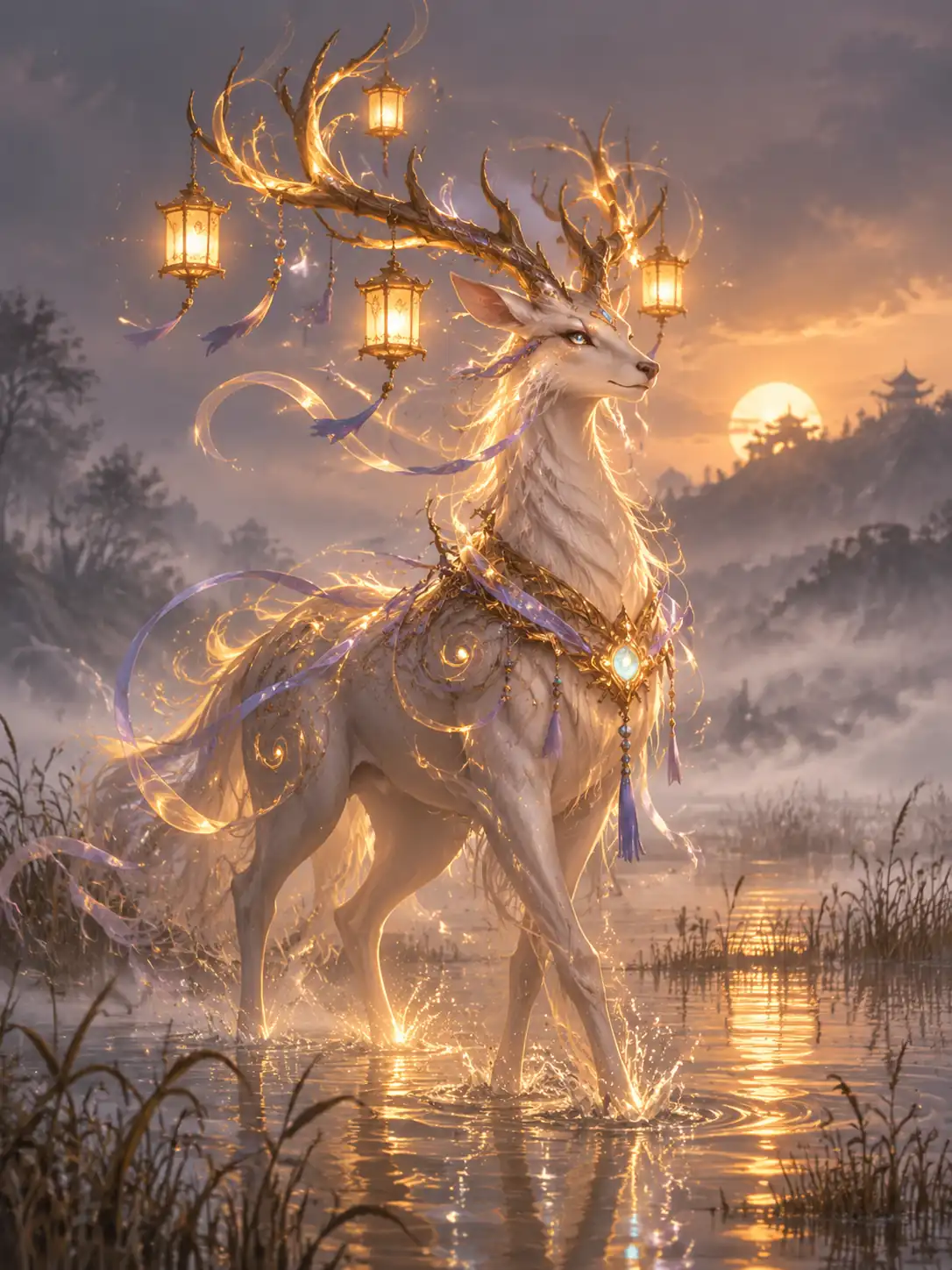 Detail
A stag with a lantern in its antlers, night forest, fog, 3:4
Try This Style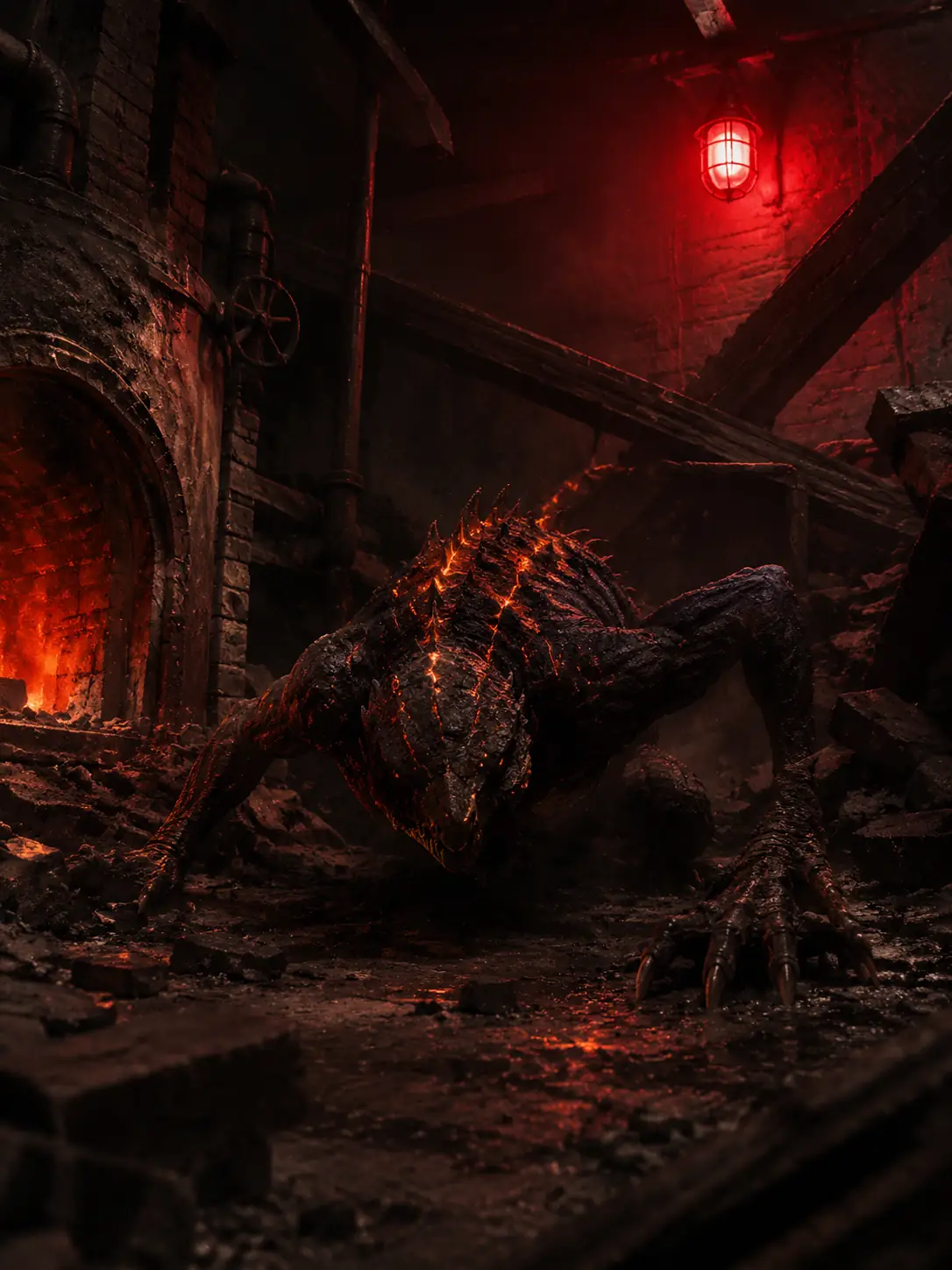 Detail
A low crawler with too many joints, wet stone floor, torch light, 3:4
Try This StyleThree things to specify every time
A creature should be identifiable as a black shape. If it needs shading to read, the design is not finished, and it will disappear on a map token or a small screen.
A bog creature is low and wide; a trench creature is pale and thin. The environment explains the anatomy, and the anatomy explains the environment.
A deer with lantern antlers is memorable. A deer with lantern antlers, six legs and a second head is a pile of ideas, and the viewer remembers none of them.
Round eyes and soft edges read as friendly; deep sockets and hard angles read as a threat. Decide which one the story needs before describing the teeth.
A side view, a front view and a scale reference are what a painter needs. One beautiful three-quarter frame does not tell them how wide the shoulders are.
Wounds and viscera limit where the image can be used and often get flagged. Suggest danger with posture, teeth and shadow rather than with an open body.
I run a campaign and needed a boss the players would remember. The lantern stag from the forest group became the whole arc, mostly because one impossible feature made it a character rather than a stat block with fur.
My first creatures were a mess of legs because I kept adding features. Counting the legs and allowing exactly one break, the second jaw, is what made the design read at token size on a battle map.
I paint miniatures and use the cave and bog groups for reference. The tabletop views are the useful part, since a front and a side tell me how the mass sits, though I would not trust the proportions without measuring against a base.
Yes. Describe the body plan, the habitat and one impossible feature, and the image gives your table something to look at. It will not write a stat block or balance an encounter, so keep the numbers in your own rules.
Anatomy needs a count. Say how many legs, what it stands on and where the head sits. One clear break from nature, such as lantern antlers, reads better than five competing features.
No. Words are enough, and nothing from your machine is sent. If you are working from a published creature, describe the shape rather than uploading the artwork, which belongs to its illustrator.
The first creature is free in the workspace. Sets, larger files and faster models need a paid plan, and the free model is listed first.
Check the model licence, then use them as original designs. Keep the anatomy away from a recognisable film or game creature, since a design that reads as someone else's property carries its own risk.