

A Reproducible Premise
Ordinary scene plus one impossible detail gives each image a clear joke or source of unease.
Make an uncanny image with a premise viewers can actually read. Start with a familiar room or object, change one rule and choose a found-photo, liminal, clay or felt treatment.
Create an Uncanny Image
Prompt Guide
Model
Reference Image
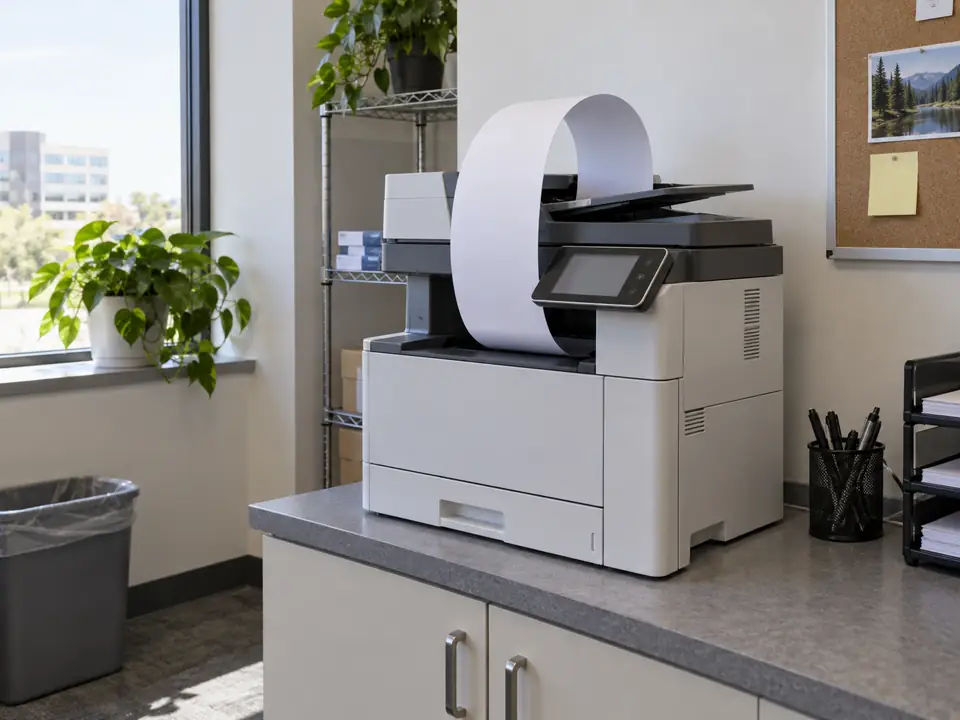
Choose a clear brief, review the output and finish for your intended use.
Choose a copy room, waiting room, supermarket, kitchen or bus stop. A recognizable scene makes the anomaly easier to notice.
Change one shadow, object behavior, scale or arrangement. Describe it precisely instead of asking for random distortion everywhere.
Check that the anomaly is visible at phone size. Remove unwanted text or extra distortions and change one prompt detail at a time.
Distinct creative directions with prompts you can adapt to your own brief.
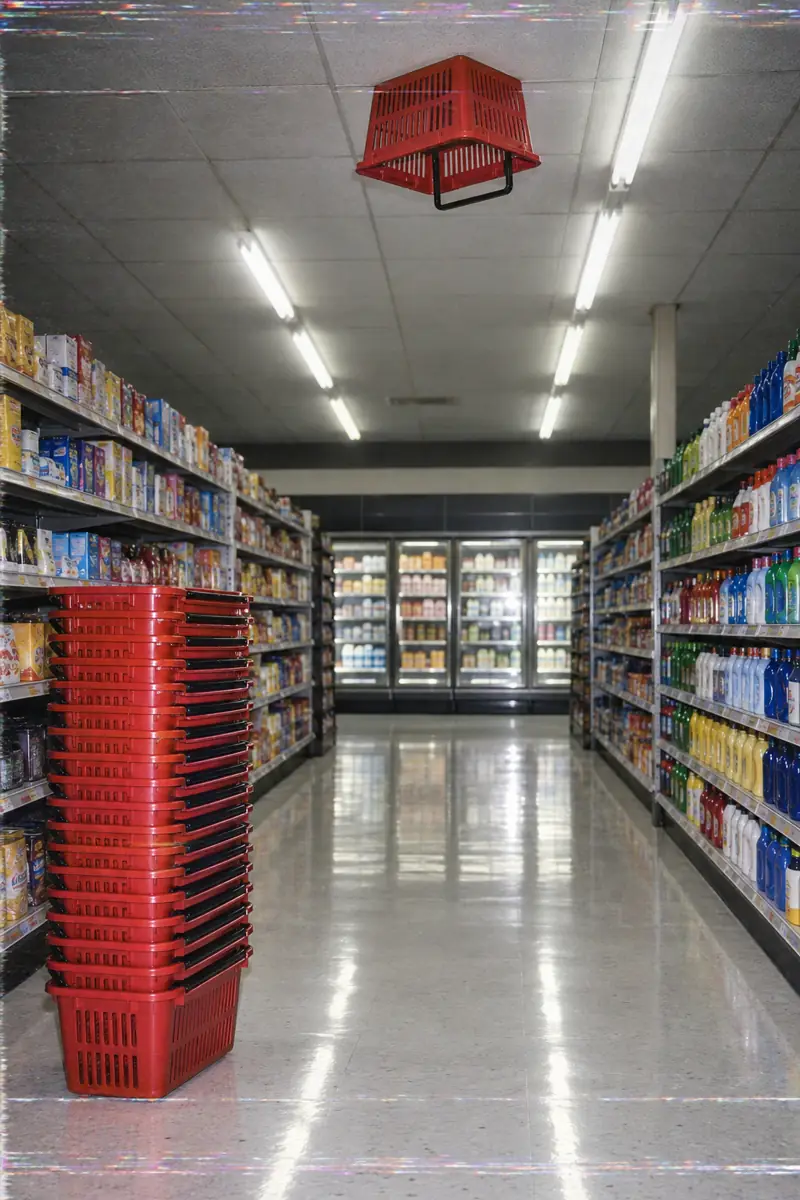 Analog Horror
Bright empty supermarket aisle after closing; every basket is stacked normally except one floating upside down near the ceiling. Direct flash, mild VHS texture, no people, labels, logo, or watermark.
Try This Prompt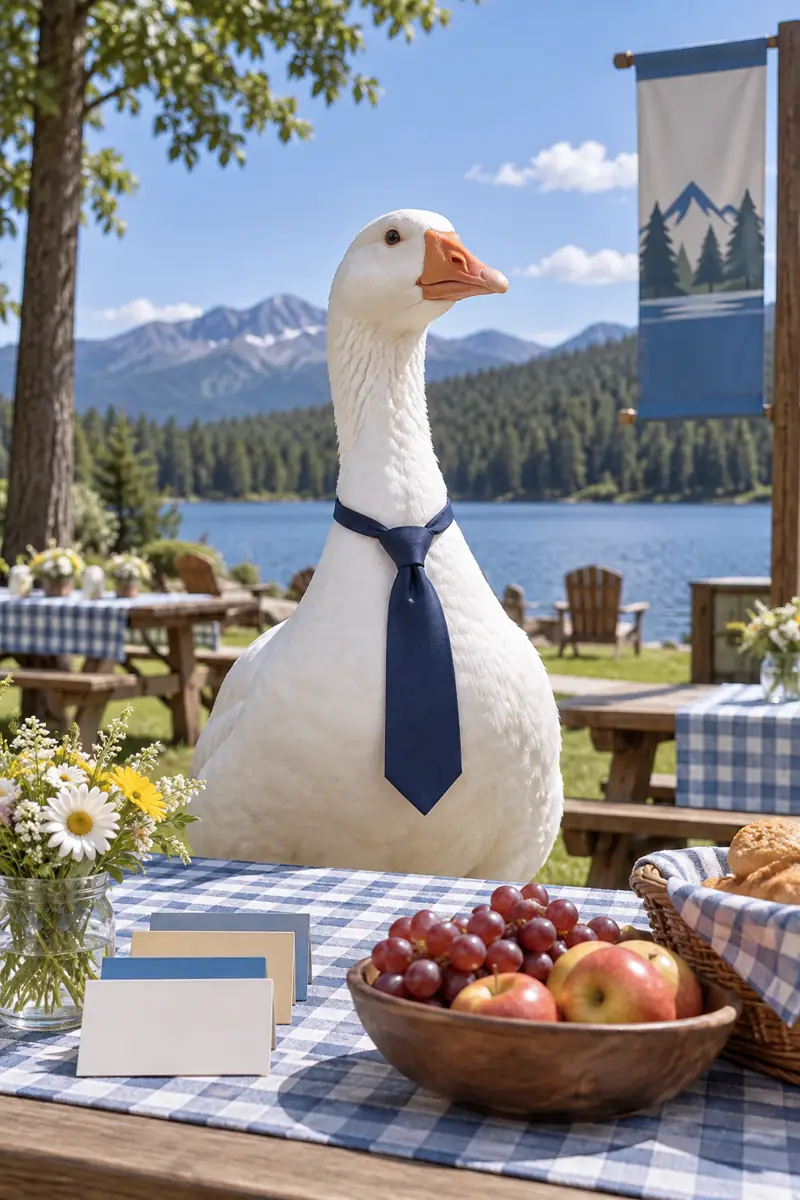 Cursed Meme
Dignified white goose in a navy necktie at a sunny corporate retreat picnic table, deadpan documentary framing, blank color cards instead of names, no humans, text, logo, or watermark.
Try This Prompt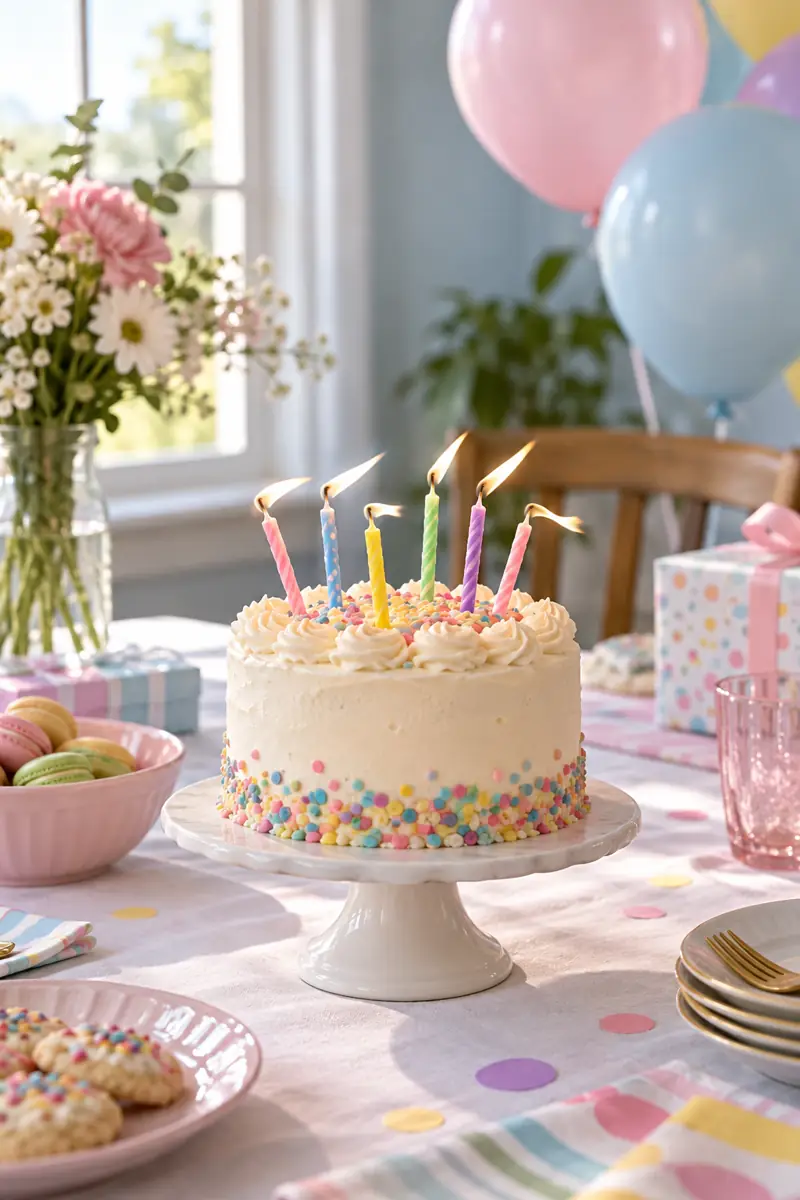 Subtle Uncanny
Cheerful daylight birthday table; every candle flame bends sideways in a different direction although the room is still. One precise anomaly, no people, text, logo, or watermark.
Try This Prompt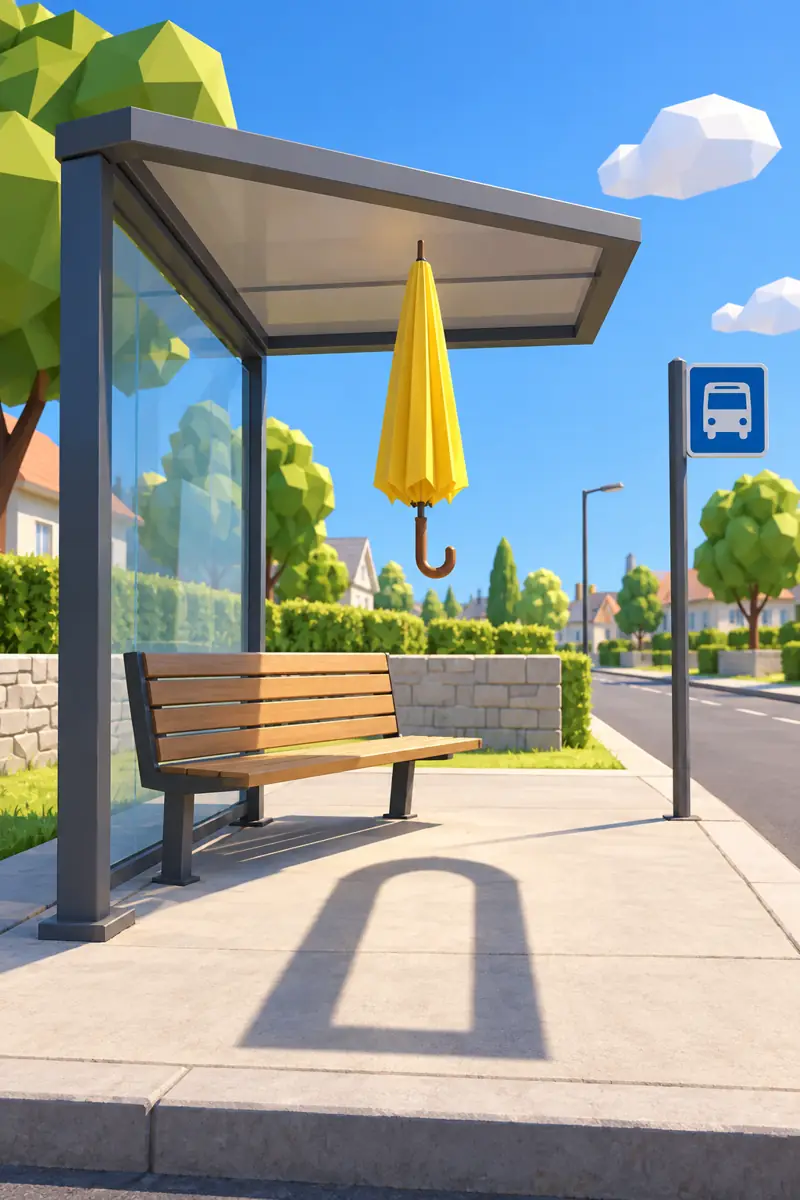 Low Poly
Bright low-poly suburban bus stop with one closed yellow umbrella floating above the bench and casting a doorway-shaped shadow. No people, signs, logo, or watermark.
Try This Prompt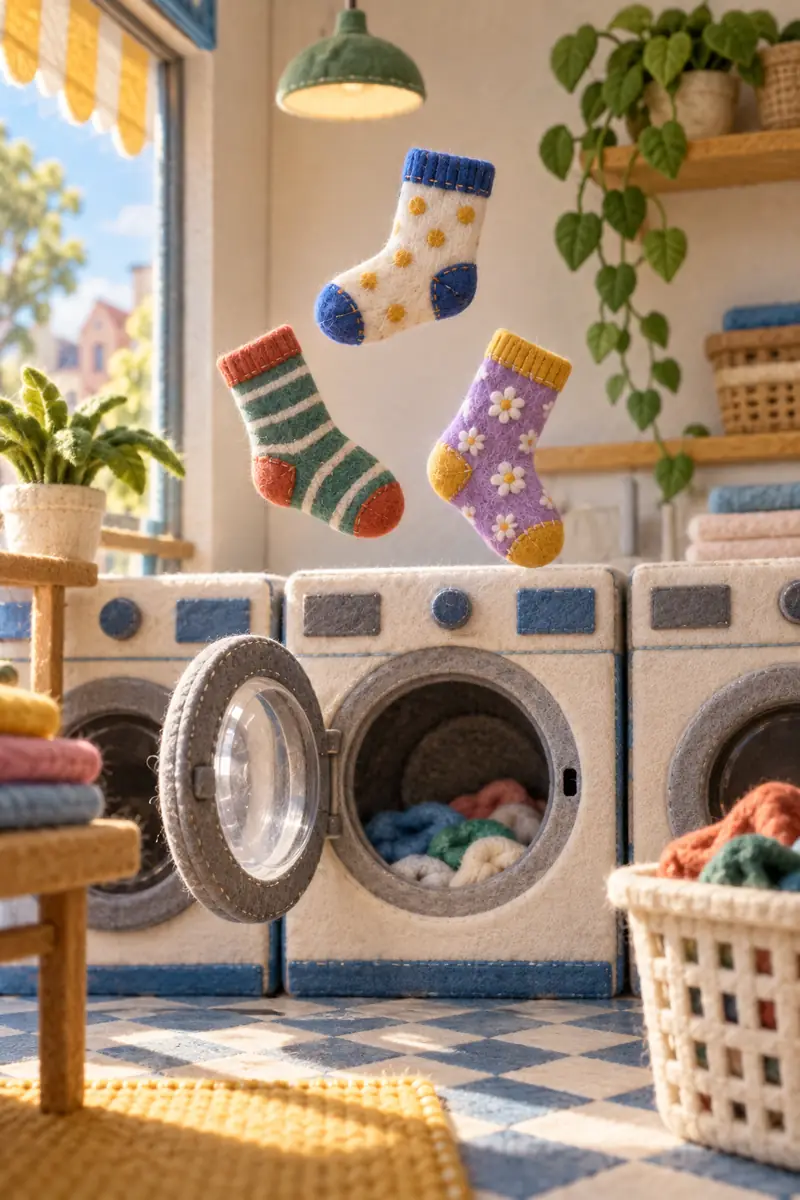 Felt Diorama
Sunny handmade felt laundromat where three colorful socks levitate in a perfect triangle above one open machine. No people, object faces, text, logo, or watermark.
Try This Prompt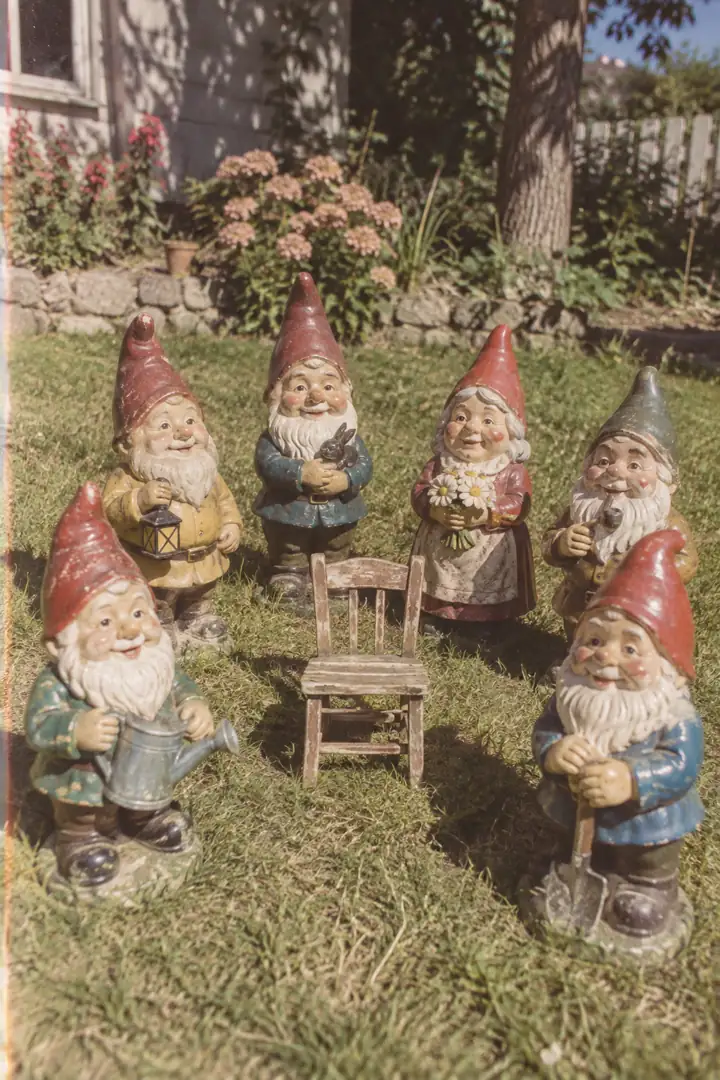 Found Photo
Vintage direct-flash garden portrait with six ceramic gnomes arranged like a formal reunion and one tiny empty chair in the center. No humans, text, logo, or watermark.
Try This PromptOrdinary scene plus one impossible detail gives each image a clear joke or source of unease.
Use direct flash, restrained grain and slightly imperfect framing while keeping the focal anomaly readable.
Explore liminal realism, clay, felt, low-poly and staged-object photography without repeating one composition.
Fictional examples of how someone might use the workflow; not verified customer reviews.
A waiting room with floating seats gives me a specific premise to work from instead of vague horror wording.
I would test the clay and found-photo directions separately because they serve different kinds of visual jokes.
The one-anomaly method helps me decide what to remove when the generated scene gets too busy.
A familiar scene with an unexplained contradiction can create confusion or unease. The AI cursed image generator works best when one precise anomaly carries the idea.
No. Community rules can exclude AI art, edits, memes and illustrations. These are creative examples; check the destination community rules before posting.
Yes. Use impossible object behavior, wrong shadows, deadpan animals or strange arrangements. Avoid graphic injury, harassment and real-person deformation.
Specify the ordinary setting, the single anomaly, the camera treatment and lighting. Keep those details fixed when testing a small change.
This workspace is image-only. Save a result and use a compatible image-to-video tool for motion; do not assume the still-image controls animate it.