

Four Practical Starting Briefs
Begin with performance, lifestyle, business, or off-road direction instead of a blank prompt.
Turn a color, pattern, vehicle type, and finish into a clear visual concept you can compare, refine, and use in a real design conversation.
Create a Wrap Concept







Prompt Guide
Model
Reference Image
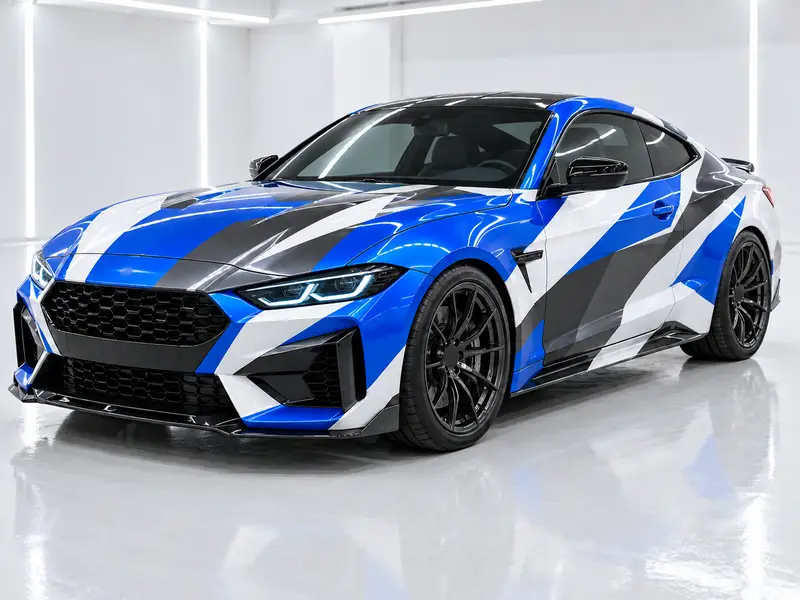
Give the model design constraints an installer can understand.
Name the body type, viewing angle, audience, and whether the wrap is personal, promotional, luxury, or performance-focused.
Specify colors, pattern scale, vinyl finish, blank brand zones, and which surfaces must remain unwrapped.
Check panel seams, wheels, windows, badges, body proportions, and visual balance before producing another direction.
Compare futuristic, retro, luxury, artistic, minimal, and adventure concepts without repeating a vehicle or pattern.
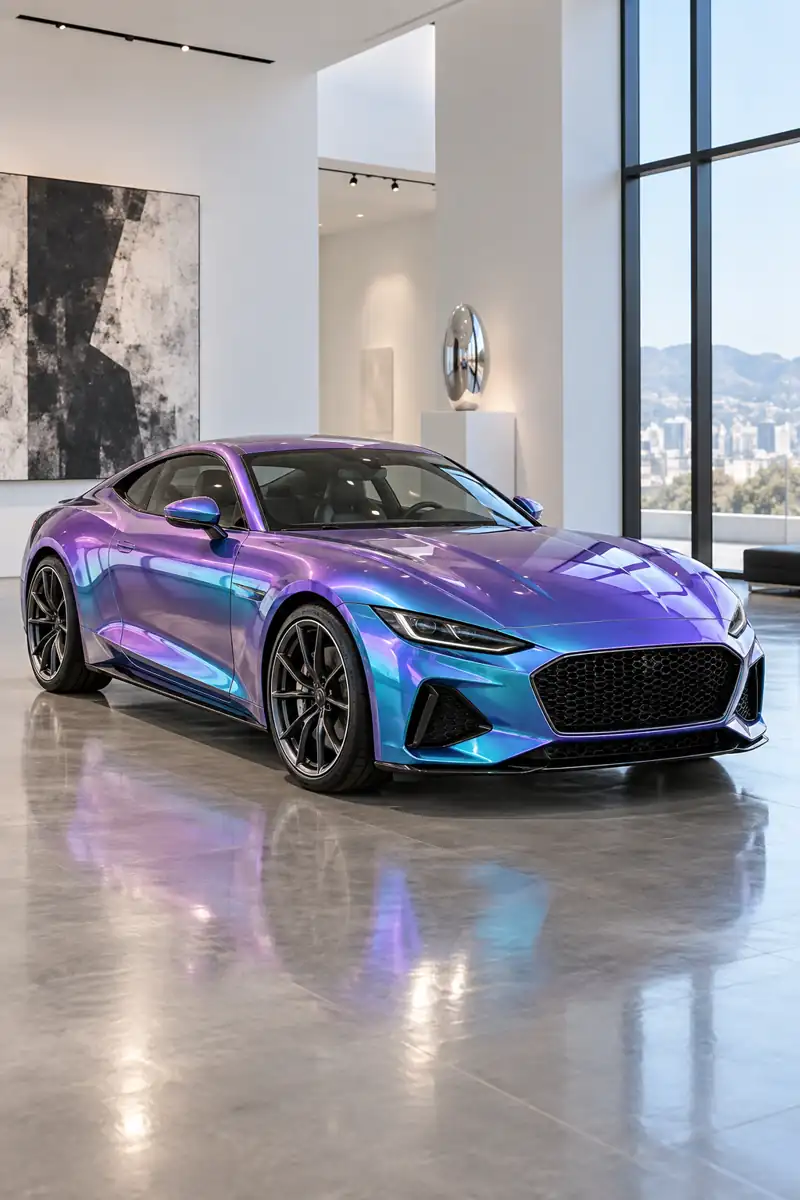 Futuristic
2:3 vertical photorealistic editorial image of an unbranded sports coupe wearing an iridescent violet-to-cyan chrome vinyl wrap in a bright modern gallery. Full vehicle visible, clean reflections, precise panel edges, futuristic but credible finish, no readable text, no logos, no people, no watermark.
Try This Prompt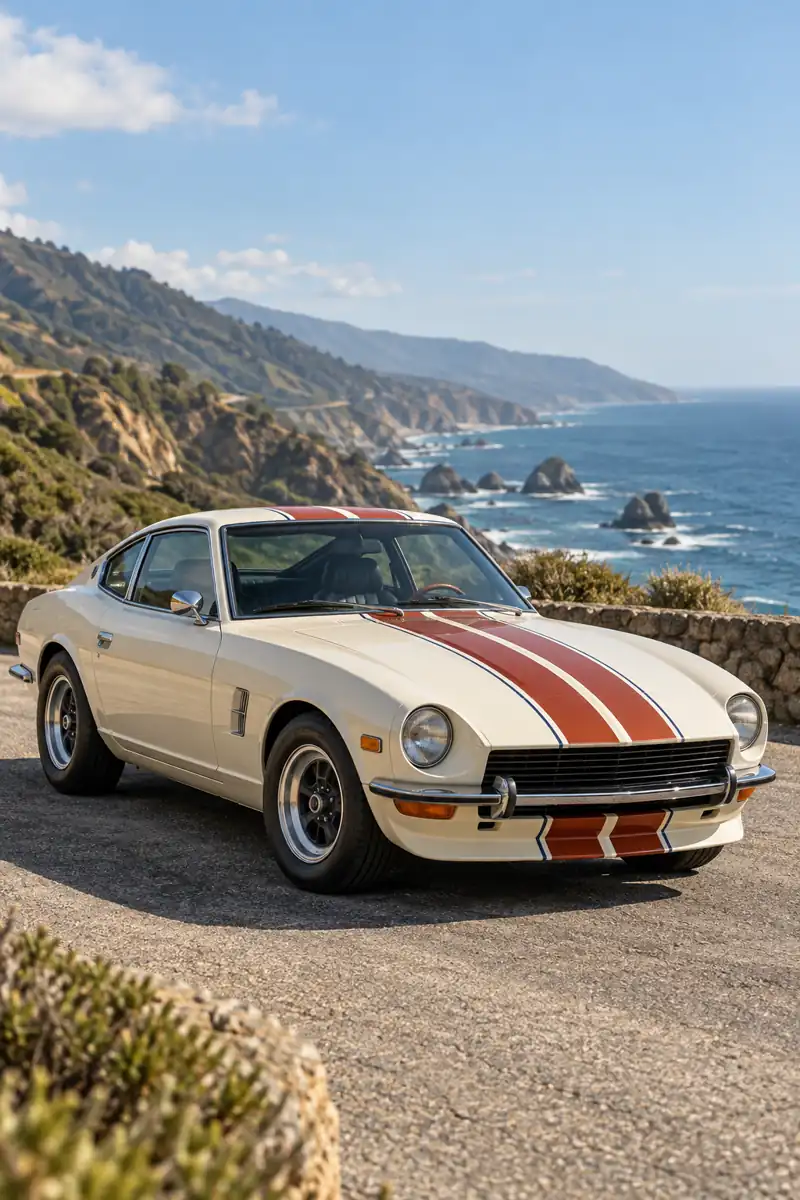 Retro
Retro2:3 vertical photorealistic image of an unbranded classic-inspired coupe in bright daylight with a cream base wrap, burnt-red twin racing stripes, and subtle navy pinstriping. Tasteful 1970s mood without brand marks, full vehicle, realistic vinyl, no numbers, no readable text, no logos, no people, no watermark.
Try This Prompt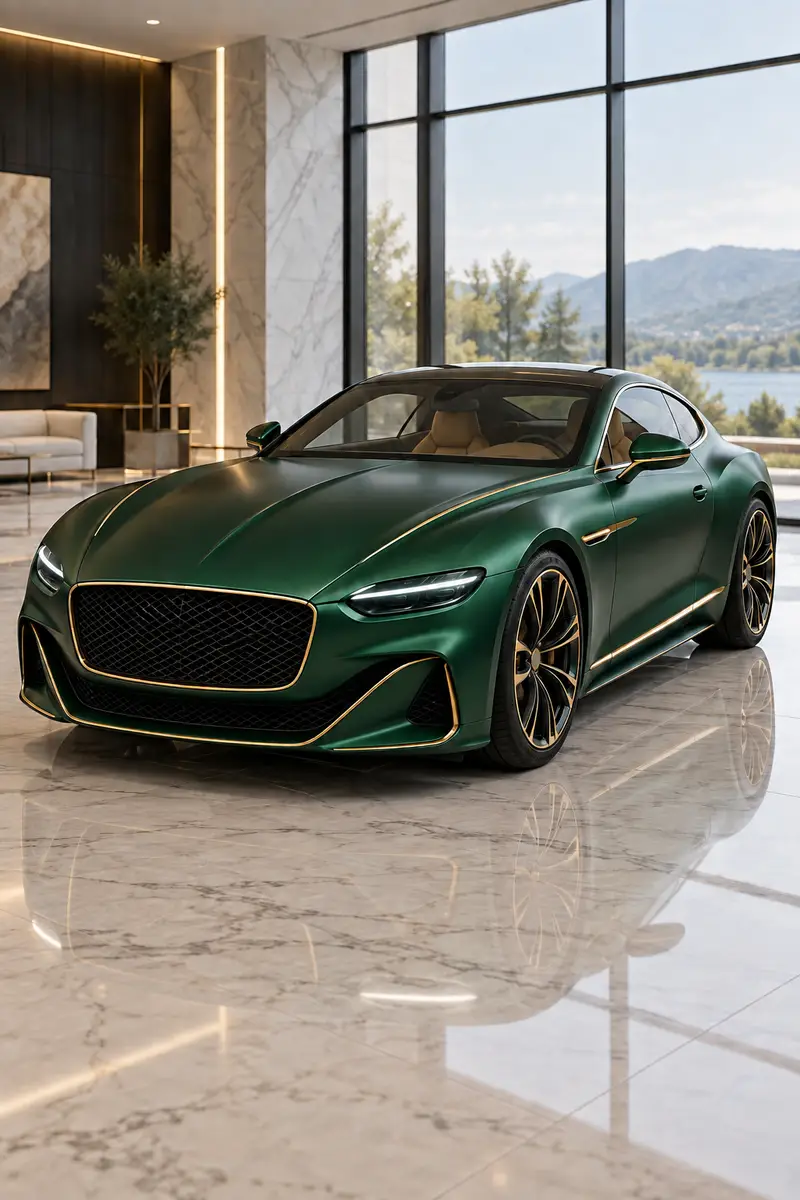 Luxury
2:3 vertical photorealistic luxury car-wrap presentation of an unbranded grand touring coupe in a bright high-end showroom, finished in deep satin emerald vinyl with fine champagne-gold accent lines. Elegant, restrained, precise panel alignment, no readable text, no logos, no people, no watermark.
Try This Prompt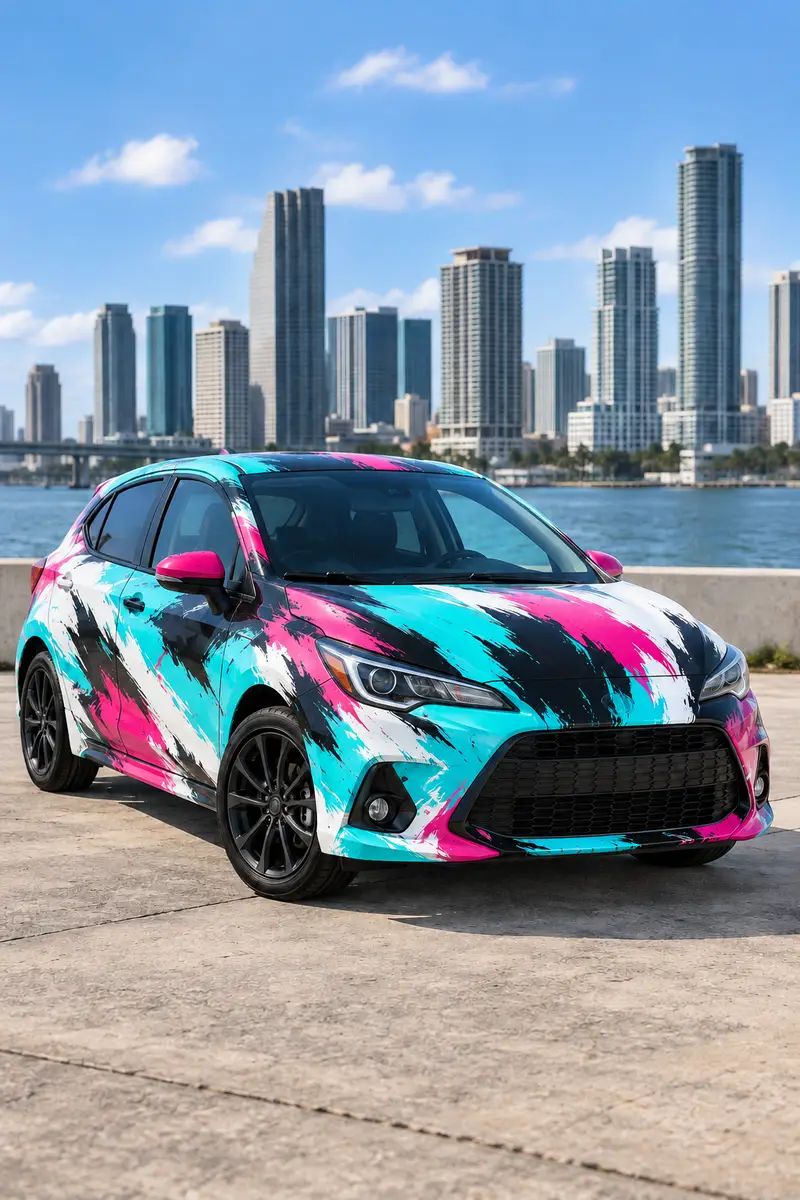 Artistic
2:3 vertical photorealistic image of an unbranded compact hatchback in bright daytime wearing an energetic abstract street-art vinyl wrap with turquoise, magenta, black, and white brush shapes. No letters or symbols, clear body contour, realistic finish, no readable text, no logos, no people, no watermark.
Try This Prompt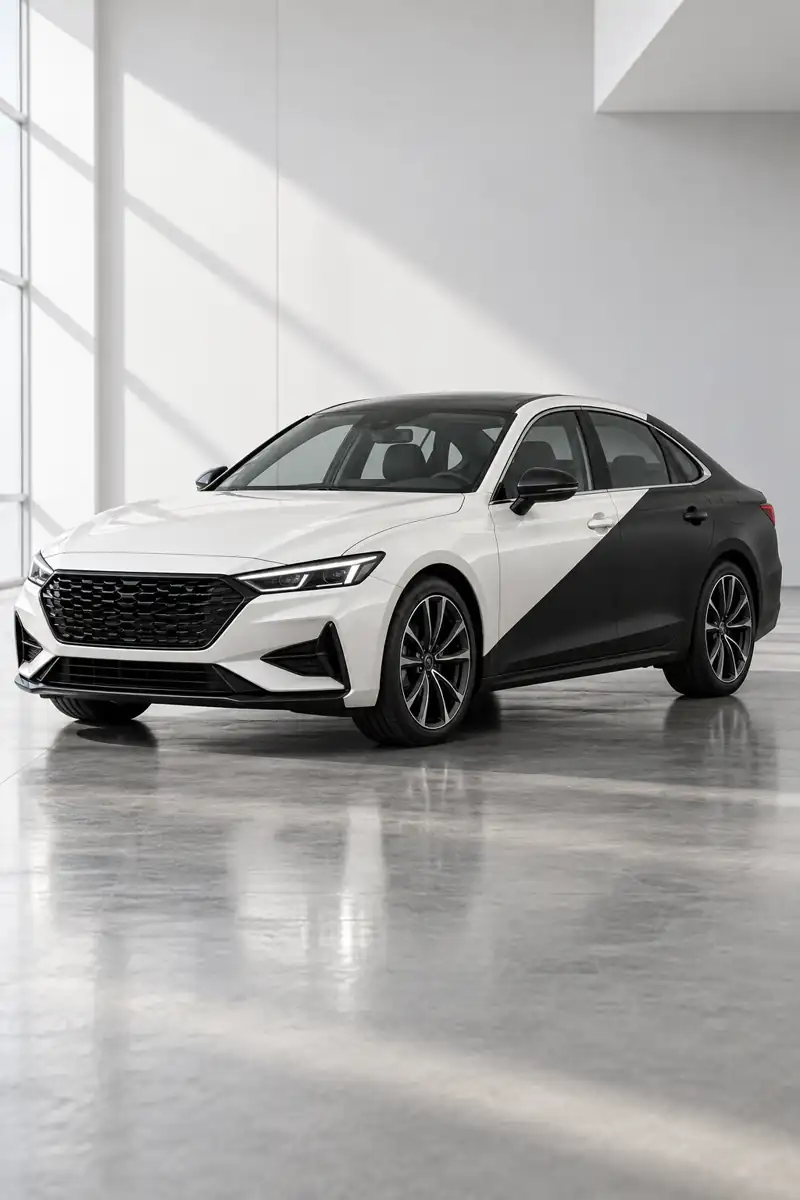 Minimal
2:3 vertical photorealistic design render of an unbranded modern sedan in bright studio light, with a precise pearl-white and matte-black two-tone vinyl wrap divided by one clean diagonal line. Sophisticated, attainable, clear panels and trim, no readable text, no logos, no people, no watermark.
Try This Prompt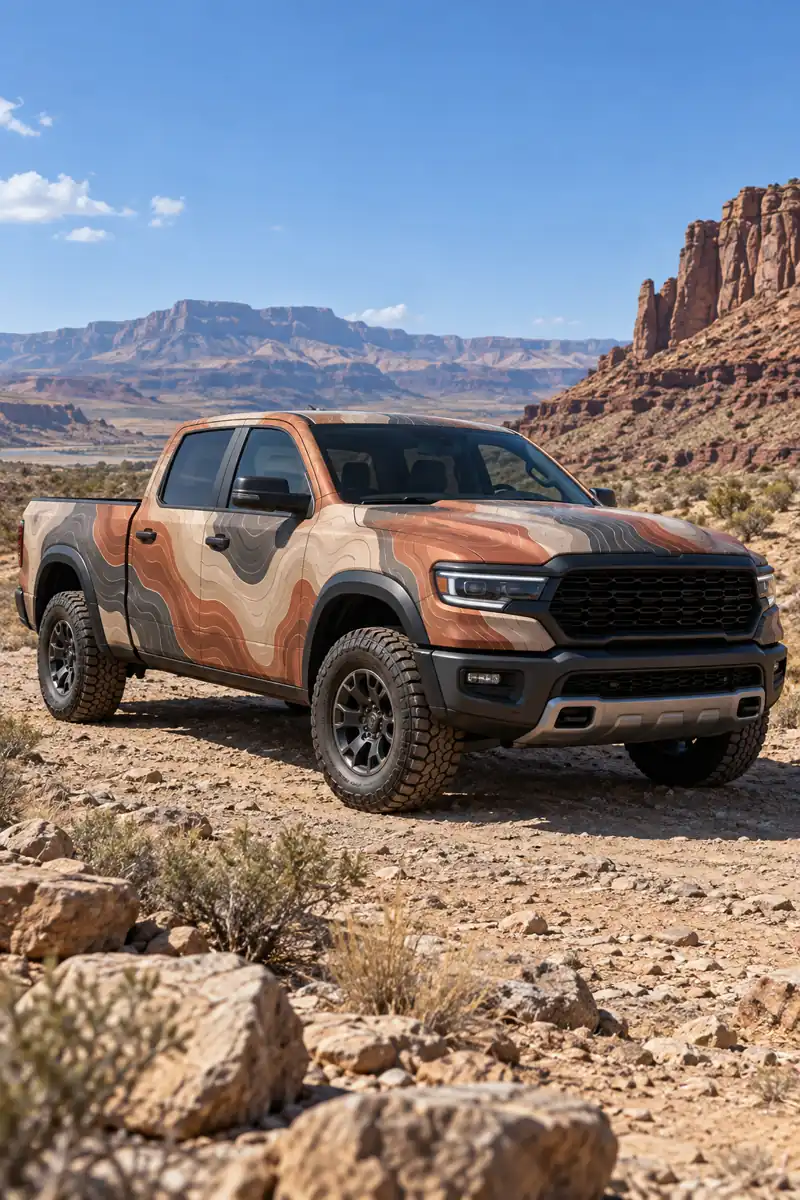 Adventure
2:3 vertical photorealistic image of an unbranded premium pickup truck in clear midday desert light, wrapped in layered terracotta, beige, and charcoal topographic contour shapes. Distinct from camouflage, clean doors and bed panels, realistic vinyl texture, no readable text, no logos, no people, no watermark.
Try This PromptBegin with performance, lifestyle, business, or off-road direction instead of a blank prompt.
Prompts separate painted body panels from wheels, tires, glass, lights, and other surfaces that should not be wrapped.
Explore chrome, stripes, satin, street art, two-tone, and topographic ideas without duplicated media.
Sign in from the workspace, open a generation task, and review the current free-trial and credit terms before running it.
Paid access helps when you need more colorways, client revisions, repeated model comparisons, or a larger fleet-design batch.
Use concepts to align on direction, then ask a qualified wrap professional to confirm measurements, materials, and install feasibility.
Fictional UI copy only; not verified customer reviews.
The four starts gave me distinct client directions instead of six versions of the same sports-car pattern.
Calling out panels that should remain unwrapped made the concept much easier to discuss with an installer.
The trial note helped me test a direction first, then pay for extra colorways only when the brief was ready.
Name the vehicle body type, camera angle, colors, pattern, finish, use case, and the surfaces that must stay unwrapped. Avoid brand marks unless you own and intentionally provide them.
No. It creates visual concepts. A qualified professional still needs to confirm measurements, print files, color, material, seams, legal requirements, and installation.
Eligible registered accounts can receive one trial use for each enabled image model shown in the workspace. Current availability, credit cost, and plan limits appear before generation.
Payment is most useful for more revisions, several client directions, repeated model comparisons, or larger fleets. Review current terms before starting a large batch.
Use it as a design brief, then review the current model and plan terms. Clear any third-party logos, protected artwork, and local advertising requirements before production.