

Steady Lines
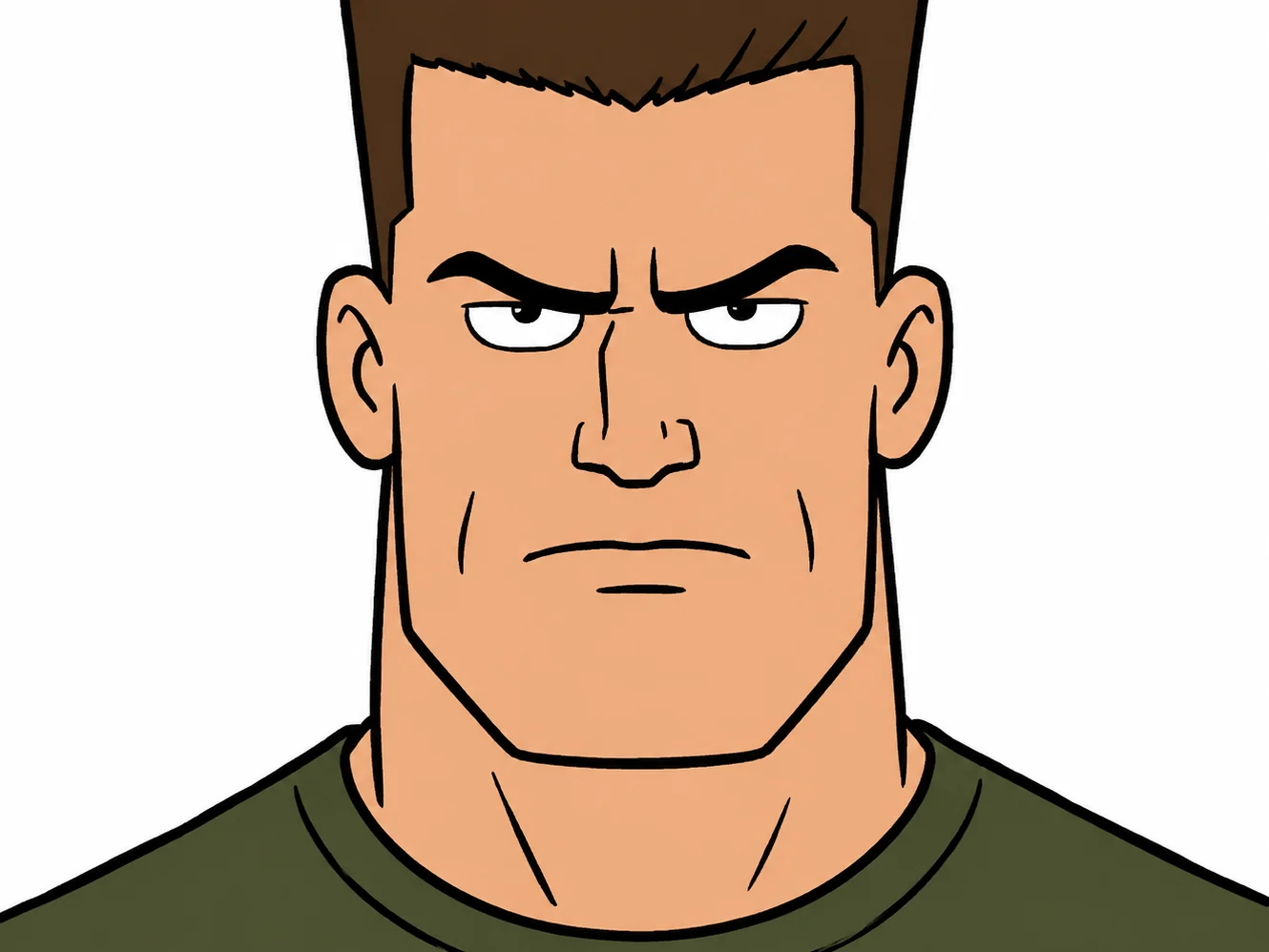
Flat colour and heavy, slightly uneven outlines hold the look. A render that adds gradients and soft shadows reads as a different, more polished cartoon.
Prompt Guide
Model
Reference Image
Describe a street, two characters and the hour, and get a flat colour cartoon frame with sharp outlines and the kind of argument that happens on a stoop.
No drawing, no software to install
A stoop, a barber shop, a bus stop, a corner store at night. An ordinary place everyone recognises does more than a dramatic location, because the humour comes from the setting being normal.
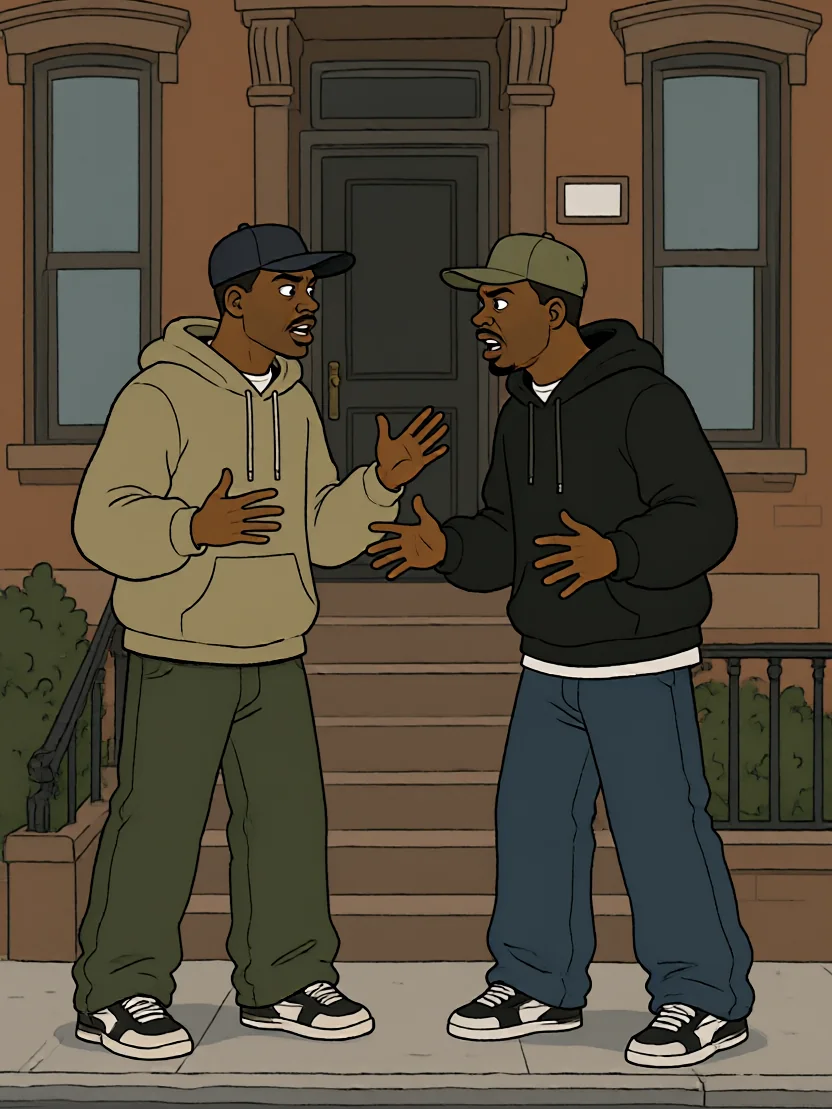
Two characters with opposing silhouettes: one leaning forward, one sitting back. A crowd turns to mush at small sizes, and the argument needs two sides to be readable.
Late afternoon throws long shadows across the pavement; night puts everything under a streetlight. The hour tells the viewer what kind of scene this is before anyone speaks.
Speech bubbles come back with invented letters. Render the balloons empty and set the dialogue in an editor, so the joke is yours and the spelling is right.
Ten flat colour frames across four places, from a stoop to a corner store at night.
 Studio
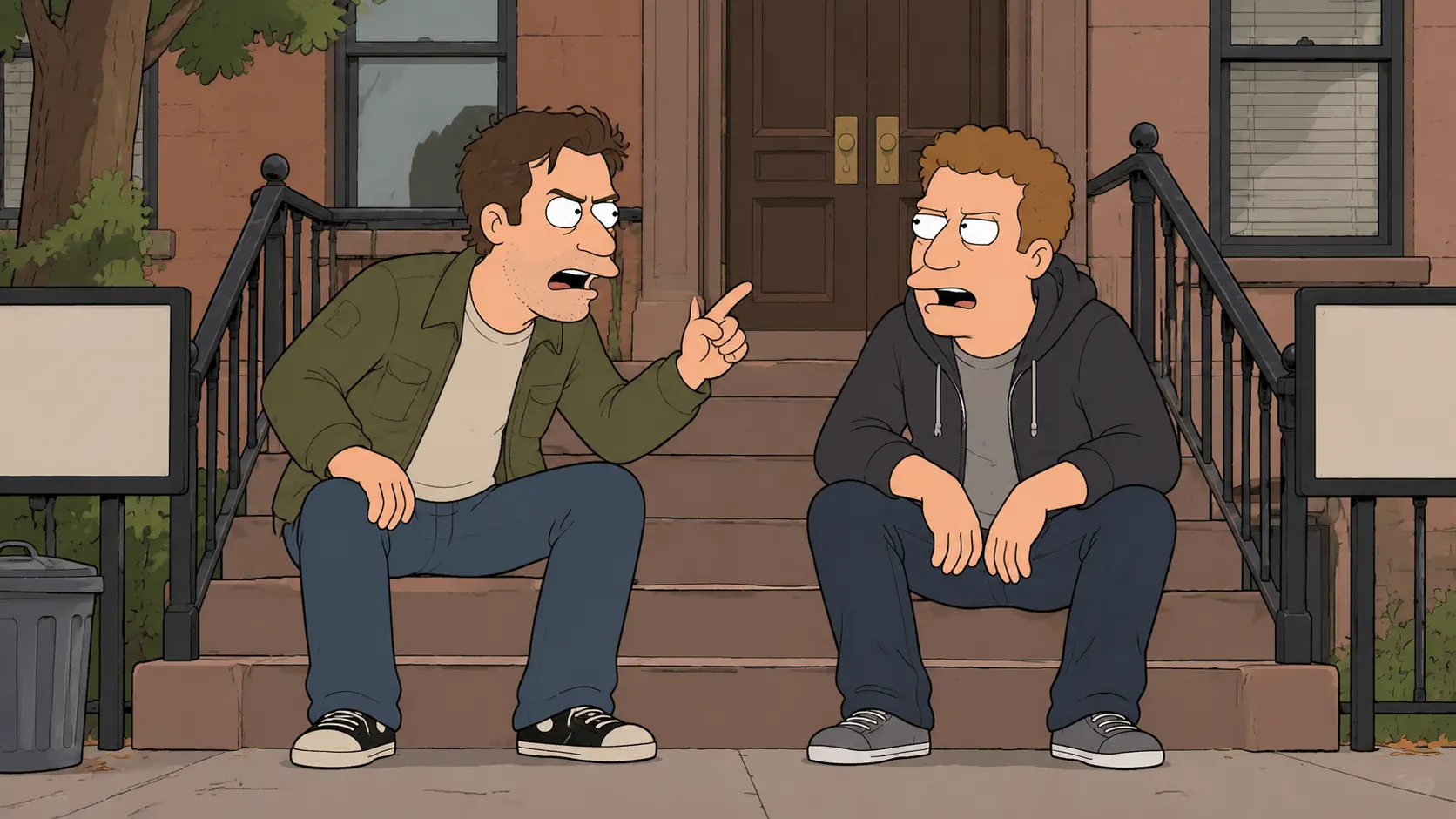
Two men arguing on a brownstone stoop, flat colour, thick outline, 3:4
Try This Style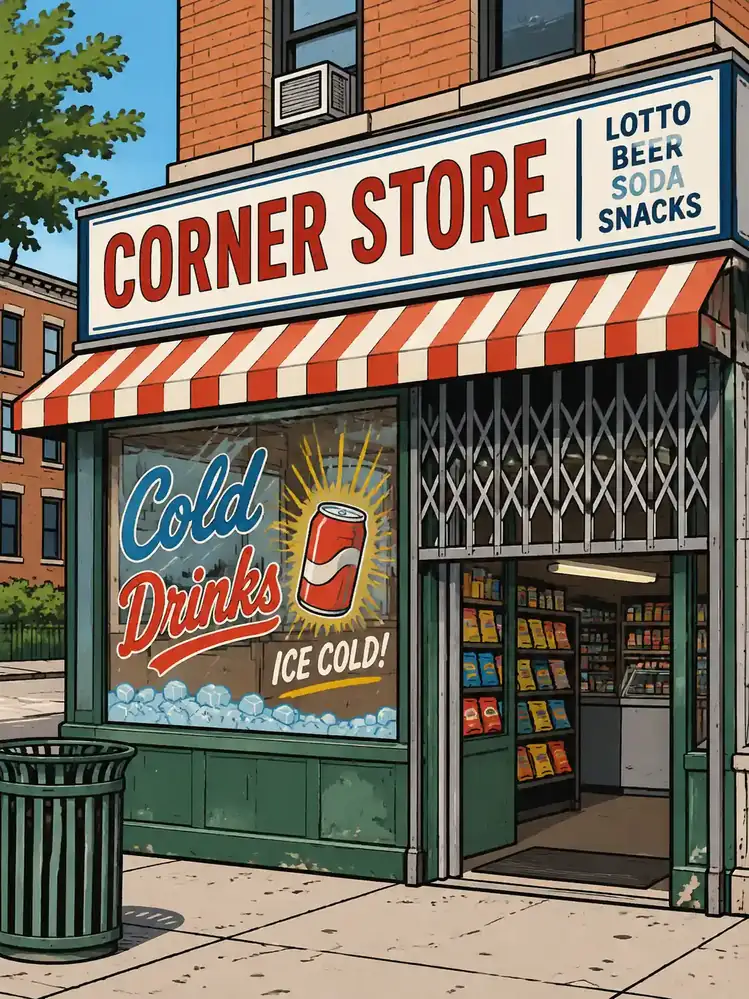 Studio
Corner storefront with a hand-painted window, flat colour, blank sign, 3:4
Try This Style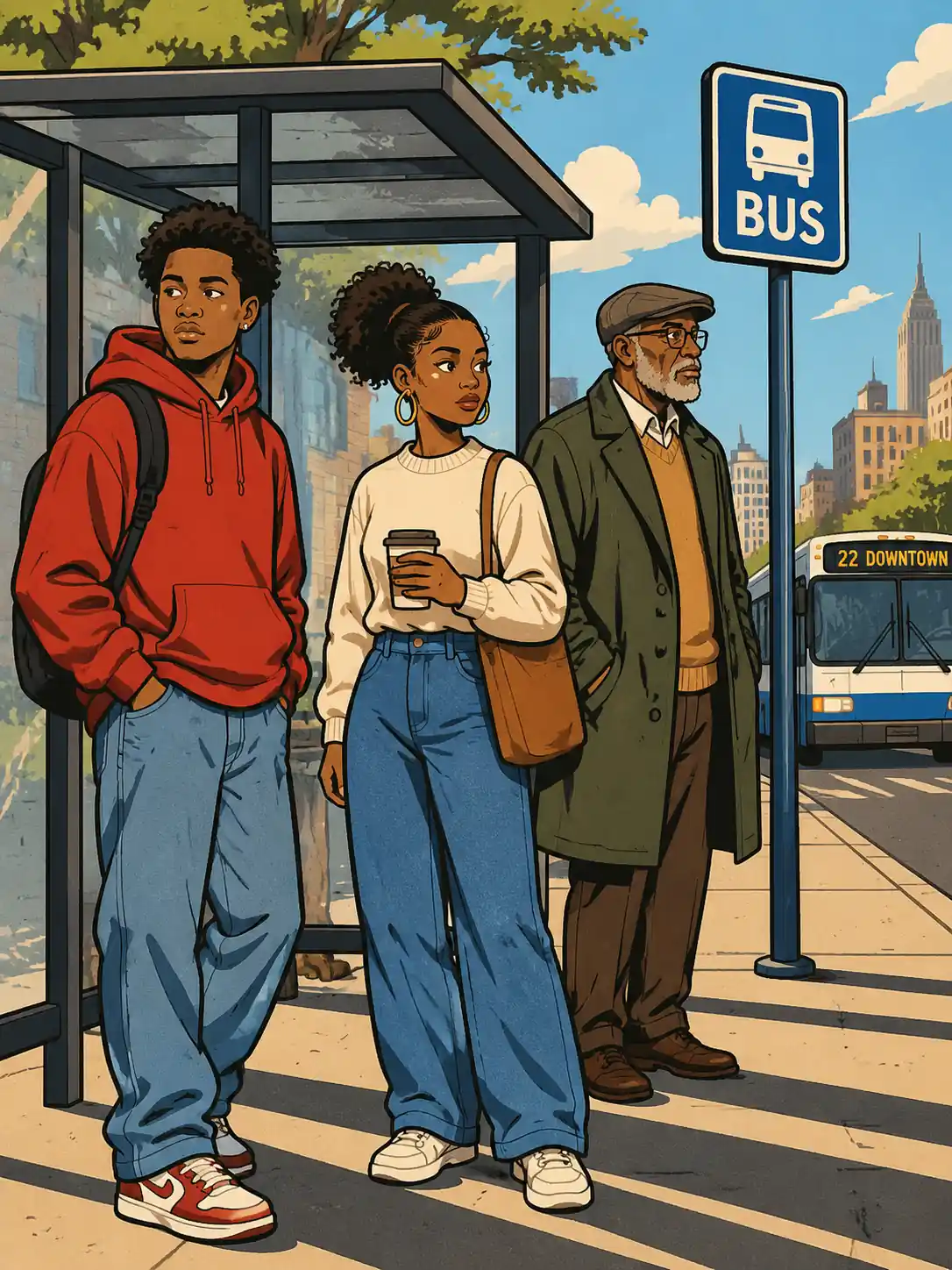 Studio
Three figures waiting at a bus stop, flat colour, long shadow, 3:4
Try This Style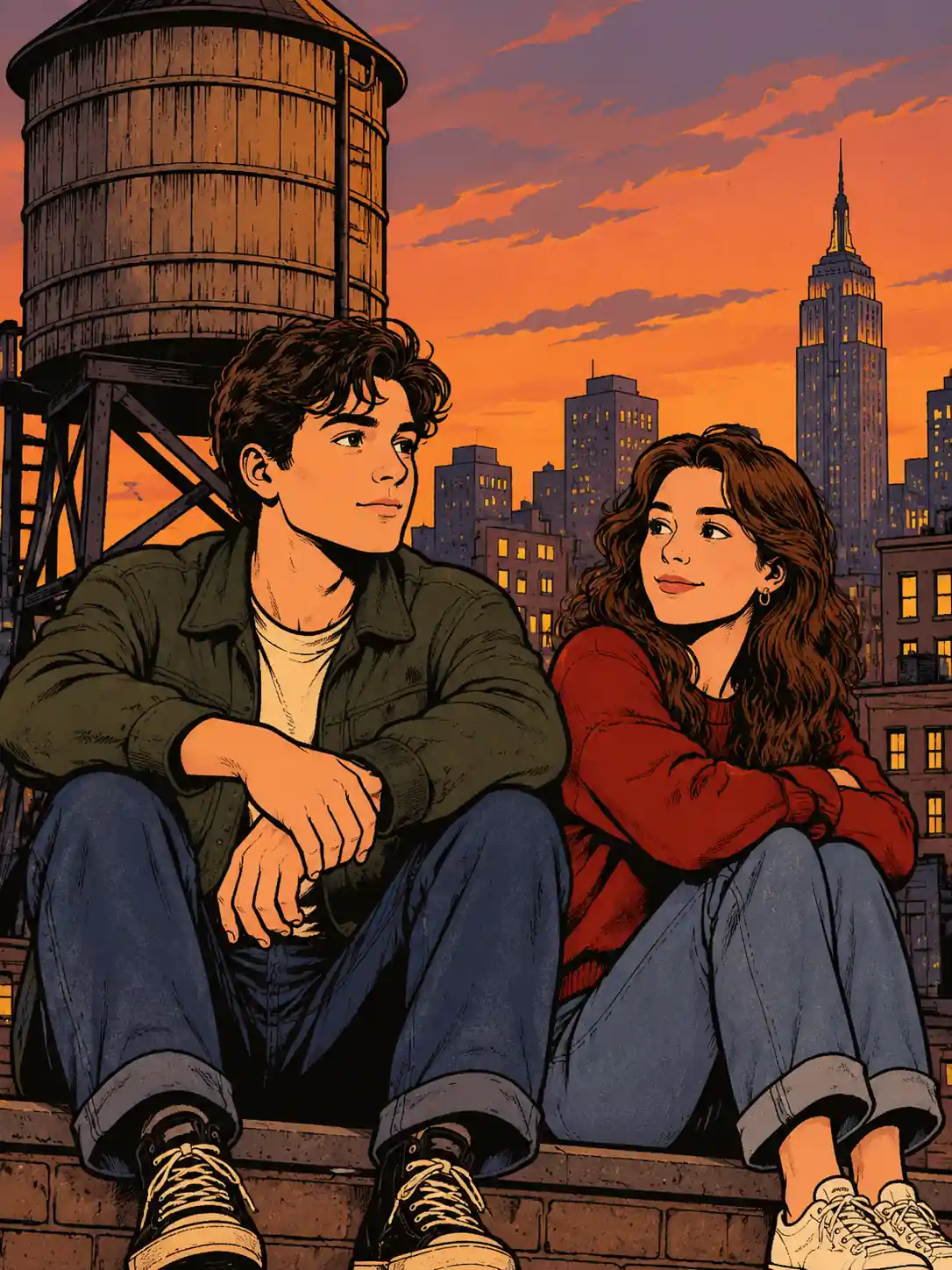 Character
Two figures on a rooftop at dusk, flat colour, water tower behind, 3:4
Try This Style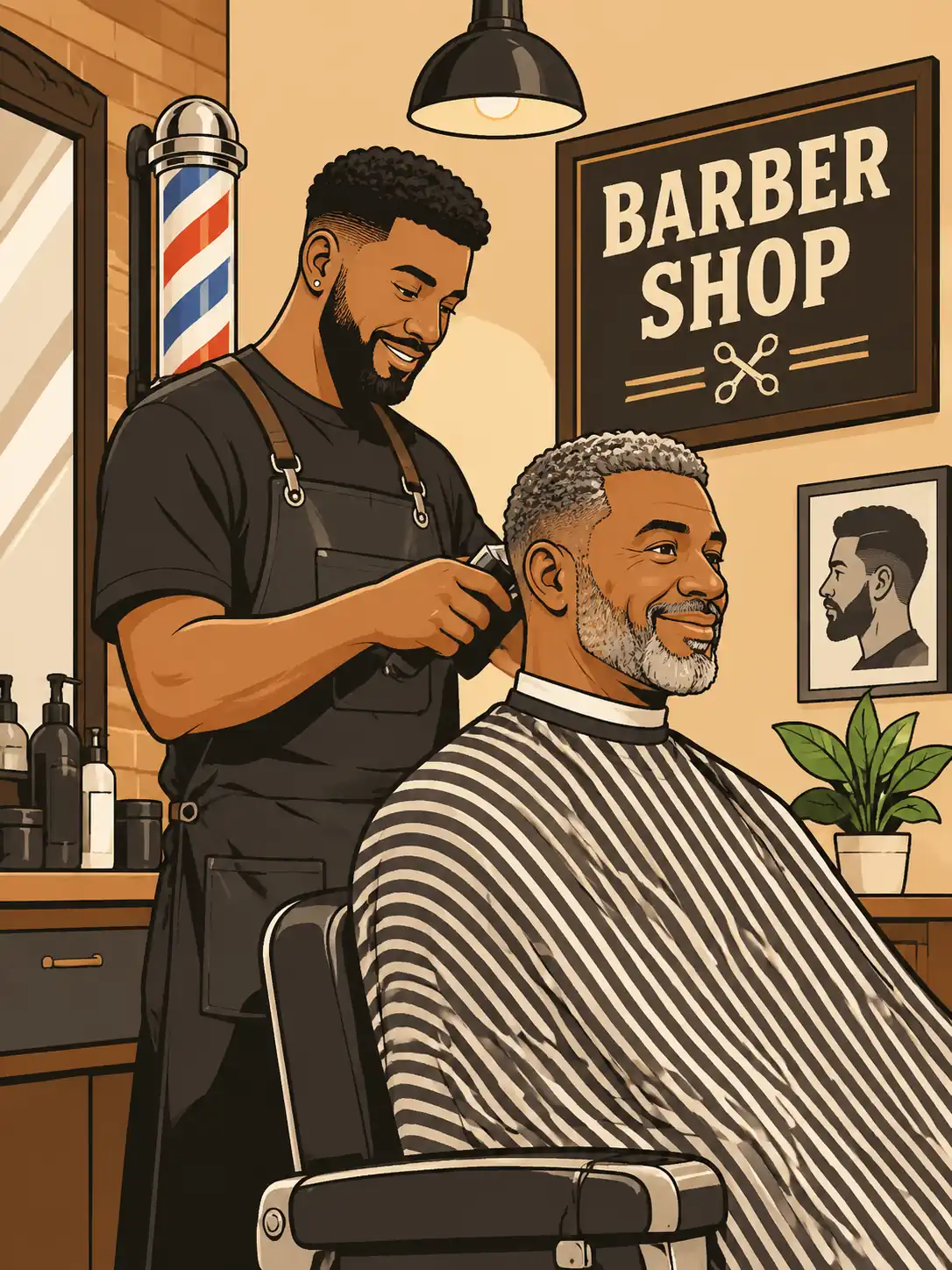 Character
Barber shop interior with one seated customer, flat colour, warm light, 3:4
Try This Style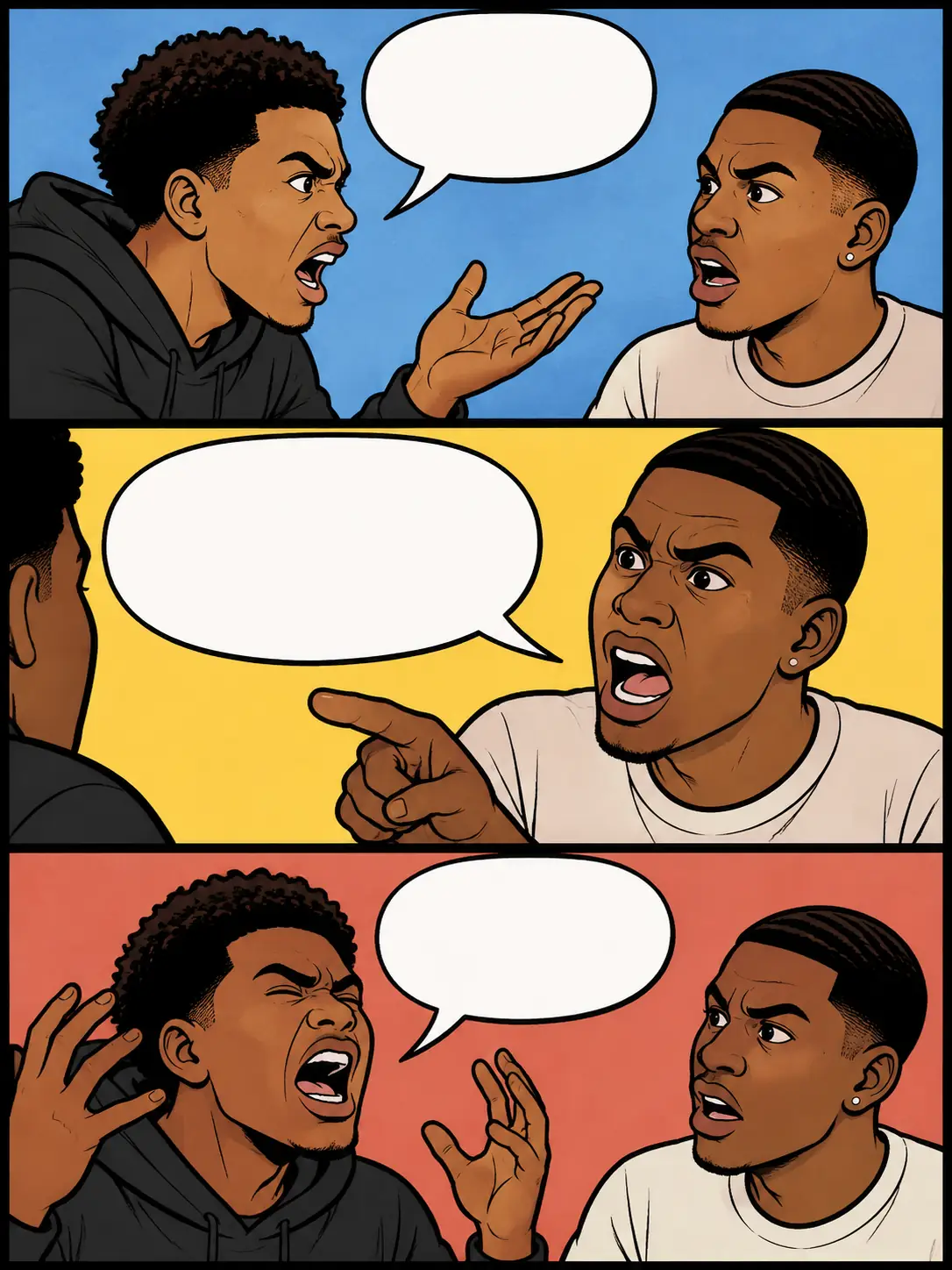 Character
Three-panel comic of two men shouting, thick borders, empty balloons, 3:4
Try This Style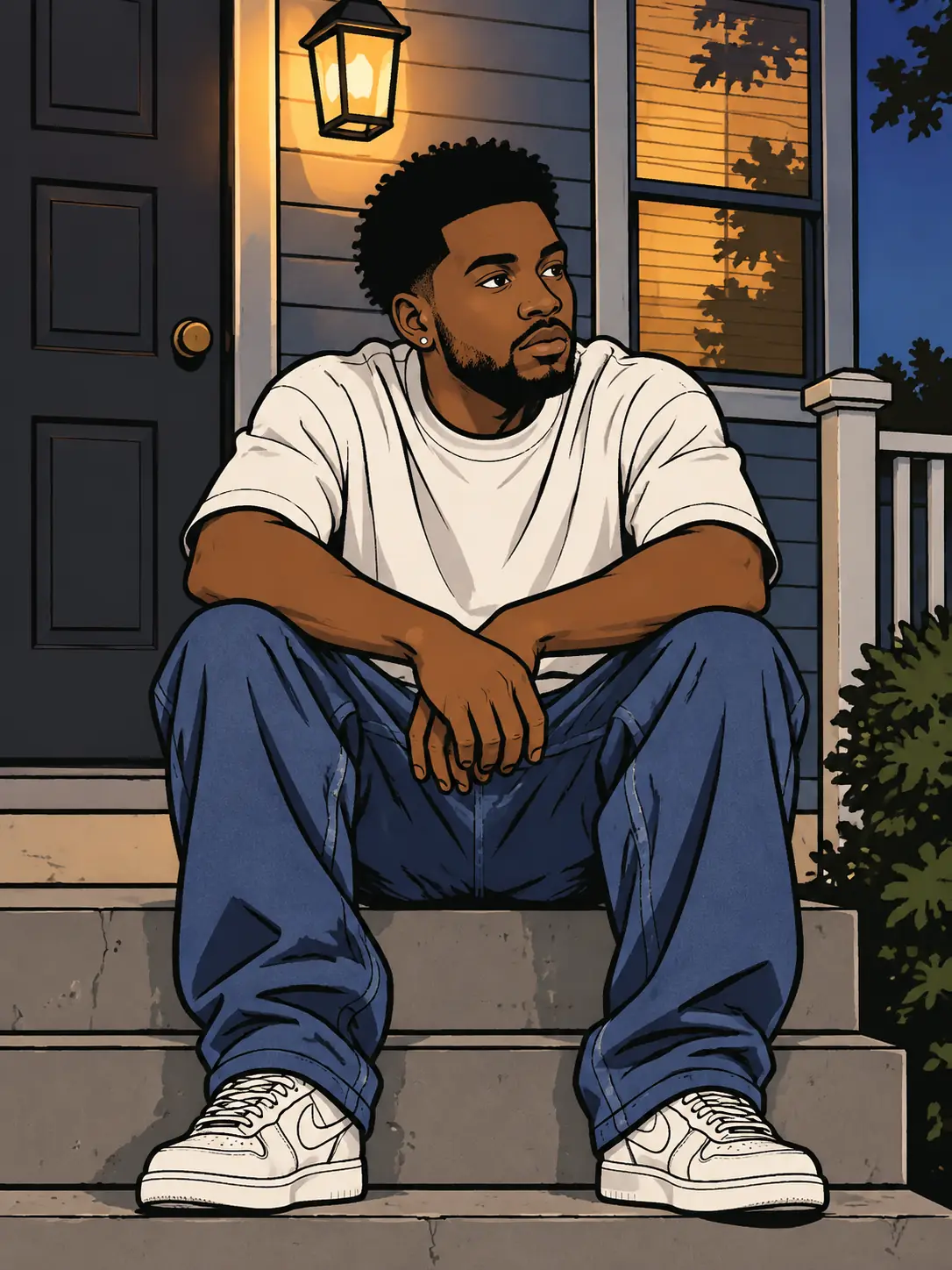 Scene
A man sitting alone on a porch step, flat colour, evening, 3:4
Try This Style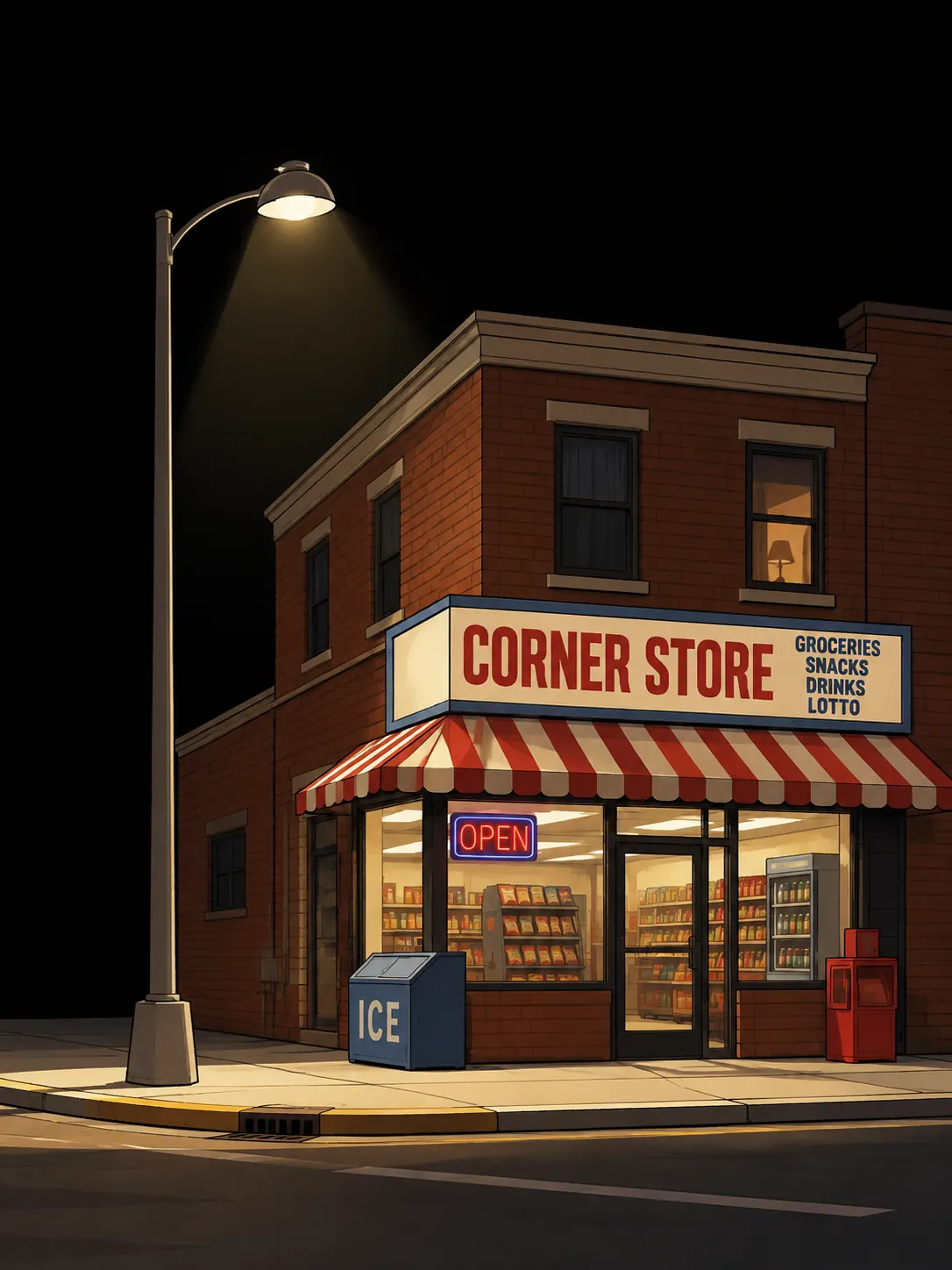 Scene
Corner store at night under one lamp, flat colour, black sky, 3:4
Try This Style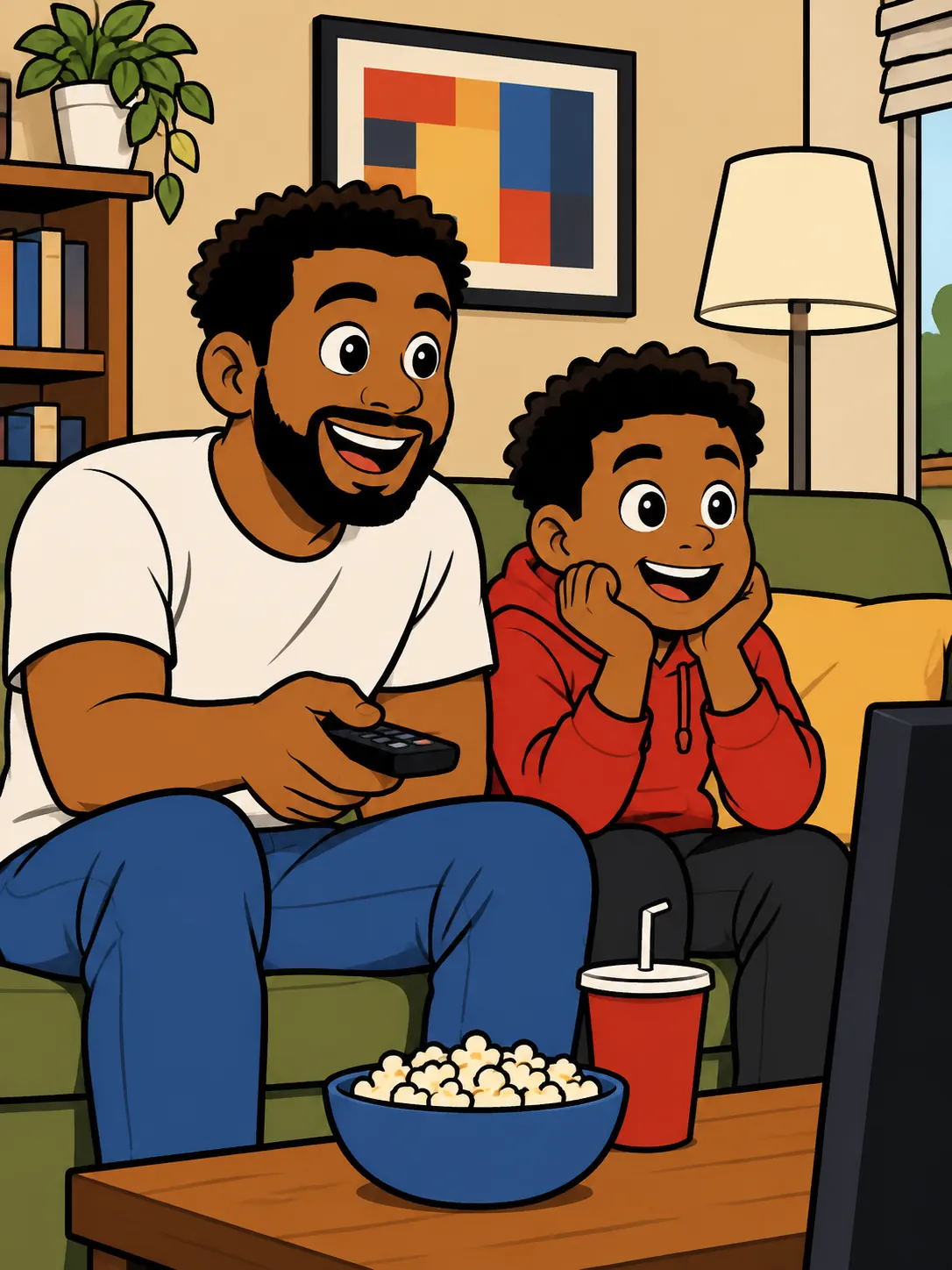 Detail
Living room sofa with two figures watching TV, flat colour, glow, 3:4
Try This Style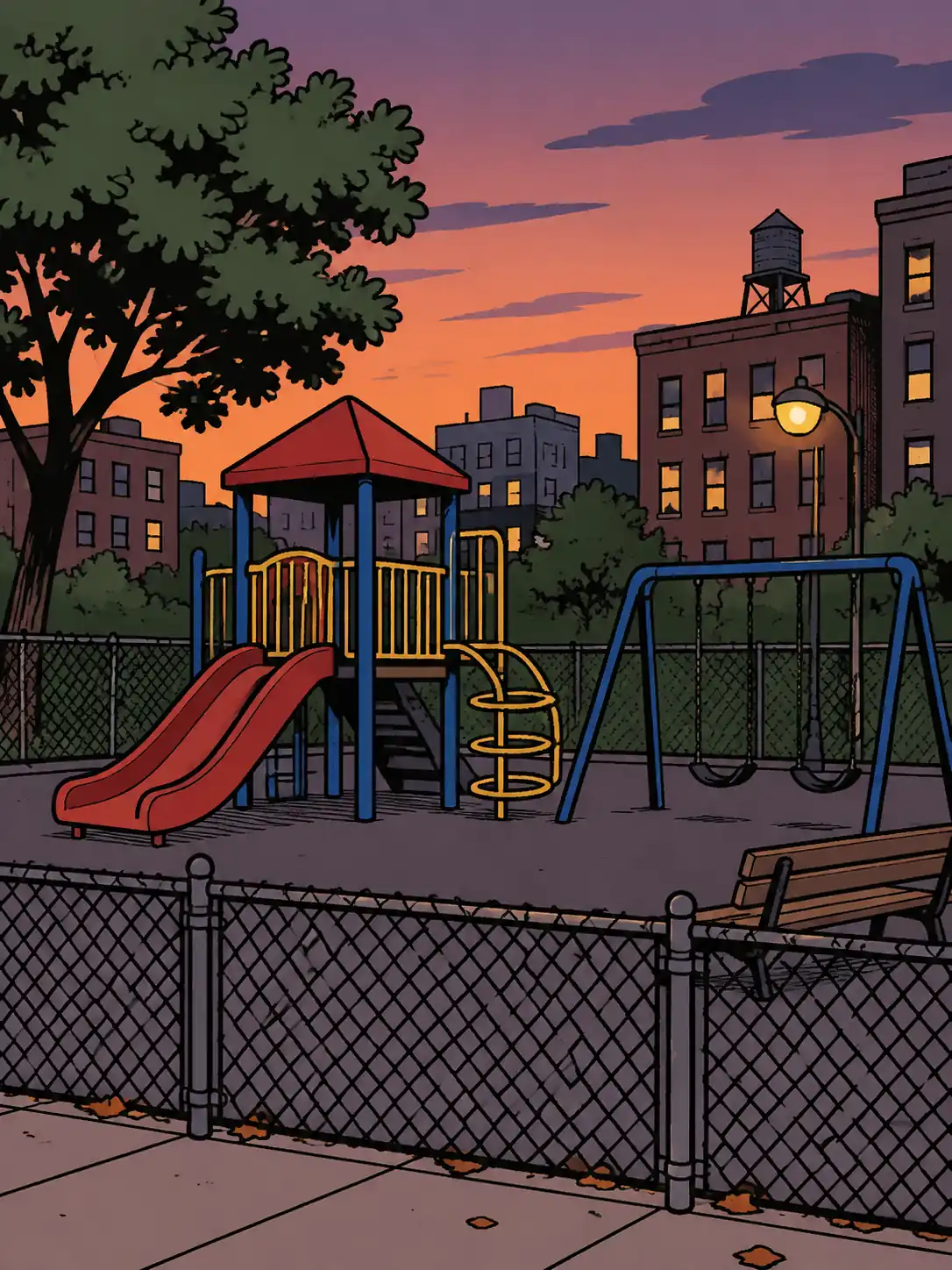 Detail
Empty playground at dusk, chain fence, flat colour, 3:4
Try This StyleThe details that decide whether it looks like the show
Flat colour and heavy, slightly uneven outlines hold the look. A render that adds gradients and soft shadows reads as a different, more polished cartoon.
Folded arms, a raised finger, weight on one hip. The body says what the character thinks, and two contrasting poses read faster than two detailed faces.
A stoop, a kitchen, a bus stop. The comedy depends on the setting being somewhere the viewer has actually stood, so keep the location mundane.
A wide shot sets the block; a close crop lands the reaction. Use the pair together and the page reads like a strip rather than a gallery.
A three panel strip needs consistent line weight and empty balloons. Ask for the panels at equal size, or the strip will not line up in a layout.
This is AI fan art in the spirit of the show, not official artwork. Keep it personal, and design original characters for anything commercial.
I make short comics for a newsletter and needed a street corner that felt familiar. The stoop argument gave me two characters mid-argument with the shadows falling the right way, and I dropped my own dialogue into empty balloons.
My first try gave me two people standing politely in a doorway. Changing the pose is what fixed it: one leaning forward with a raised finger, one sitting back with folded arms. Same street, completely different scene.
I use the night store frame for a zine cover. The palette is right and the humor reads without any words, though I keep it as fan work and would not sell prints of a character that belongs to someone else.
It can make flat colour cartoon frames in that spirit: sharp outlines, ordinary city places, characters with an attitude. It is fan-style art generated by AI, not official artwork from the show.
Attitude lives in the pose, not the face. Say arms folded, chin up, one finger raised, weight on one hip. Two contrasting silhouettes read faster than two detailed faces.
No. The scene is described in words. Avoid asking for a real person in this style, since that turns a cartoon into a likeness of someone who has not agreed to it.
The first frame is free in the workspace. Panel sets and faster models need a paid plan, and the picker marks the free model before you start.
Not as official merchandise. The show and its characters belong to their rights holders. Use the frames for personal work, or keep the characters generic enough that they are clearly your own.