

Space for Copy
Ask for a quiet third of the frame. A full-bleed product with no breathing room cannot carry a headline, and every layout fix costs you the crop.
Prompt Guide
Model
Reference Image
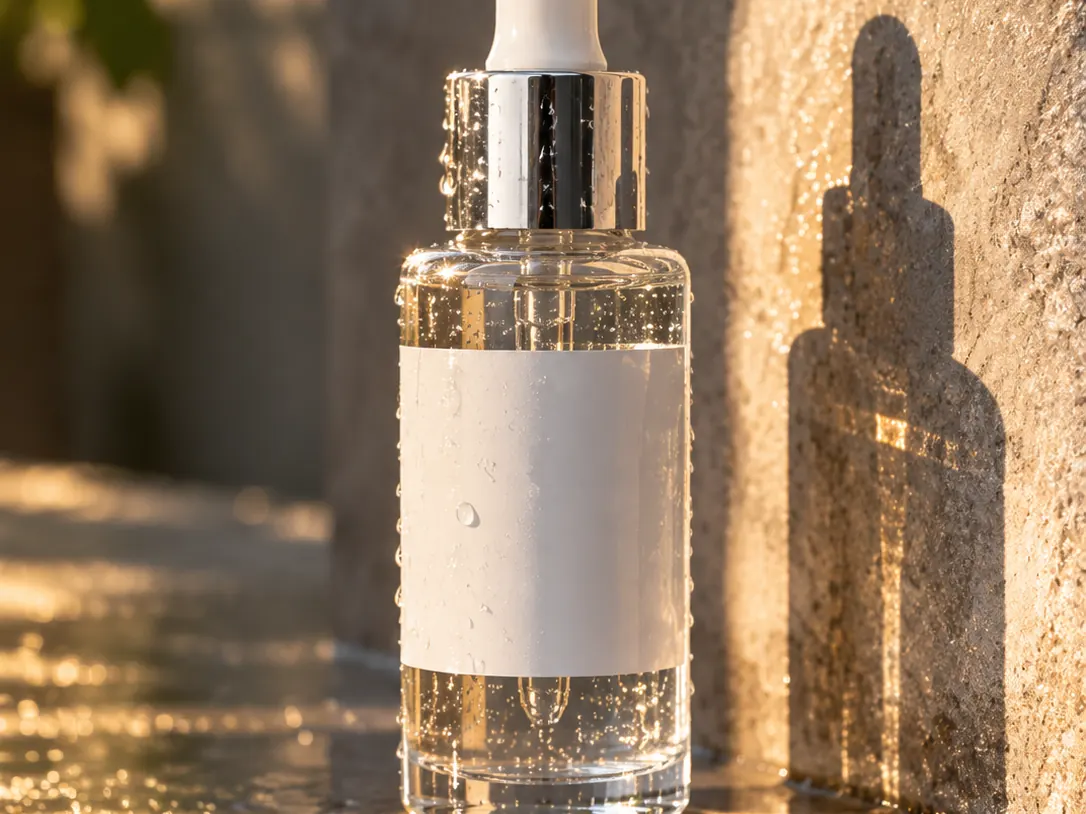
Describe the product, the offer and where the ad will run, and get a campaign frame with a quiet area already left for the headline you have not written yet.

Say what the object is, what it is made of and how large it sits in frame. Glass serum bottle at 25 cm holds its proportion; a bare product noun drifts in scale.
Pick one source and one direction. Hard sun at four gives a crisp shadow and readable texture. A softbox flattens both, which suits skincare and kills denim.
16:9 for display and banners, 1:1 for a carousel, 4:5 for a paid feed post. Decide before you write, since a crop afterwards eats the space you planned for type.
Keep every word out of the render and set the headline, price and legal line in your layout tool. Lettering inside a generated image comes back as smudged marks.
Ten frames across four ad formats, from a serum bottle in hard sun to a bakery window at seven.
 Studio
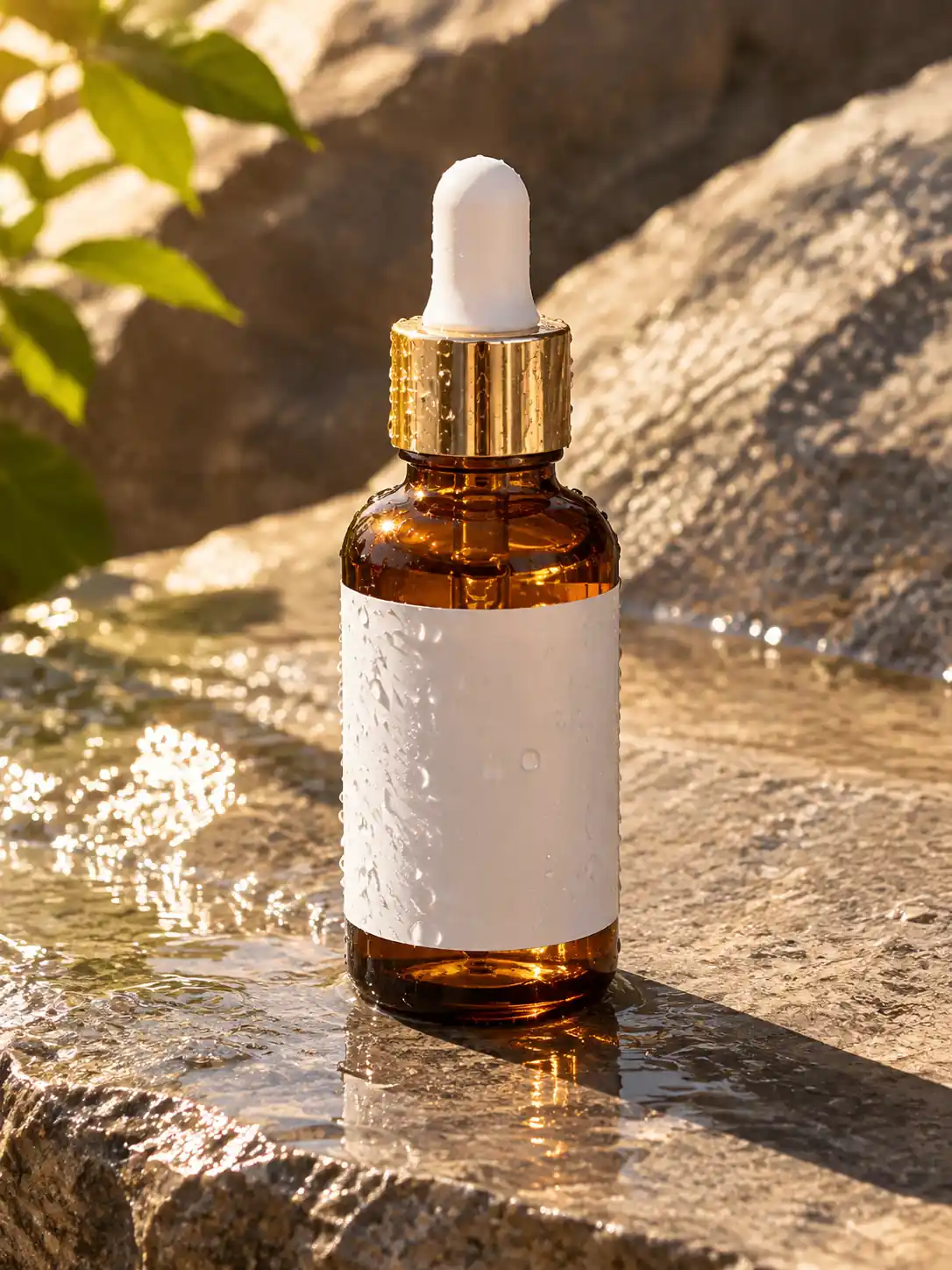
Serum bottle on wet stone in hard afternoon sun, long shadow to the right, droplets, blank label, 3:4
Try This Style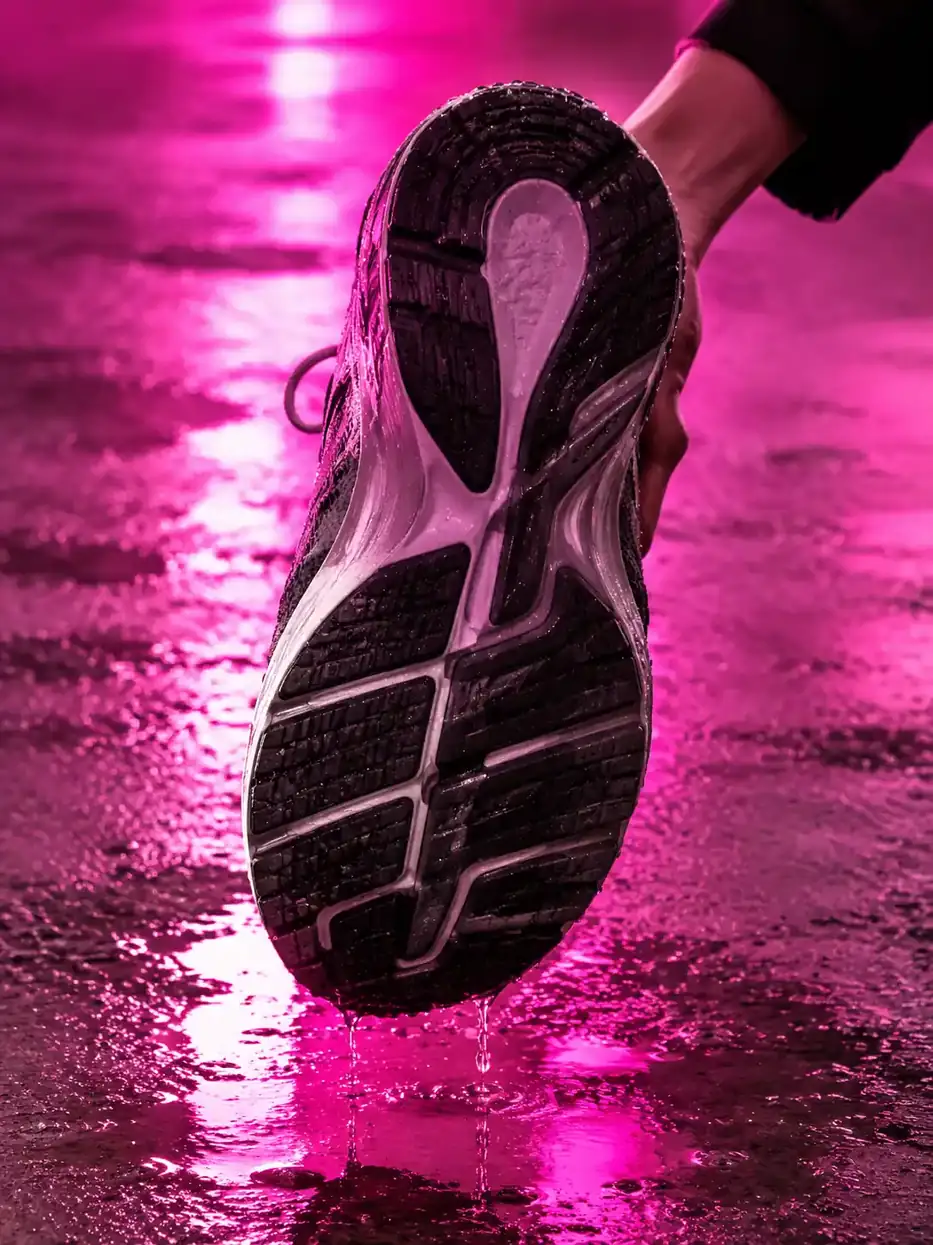 Studio
Running shoe held above wet concrete under magenta light, sole to camera, 3:4
Try This Style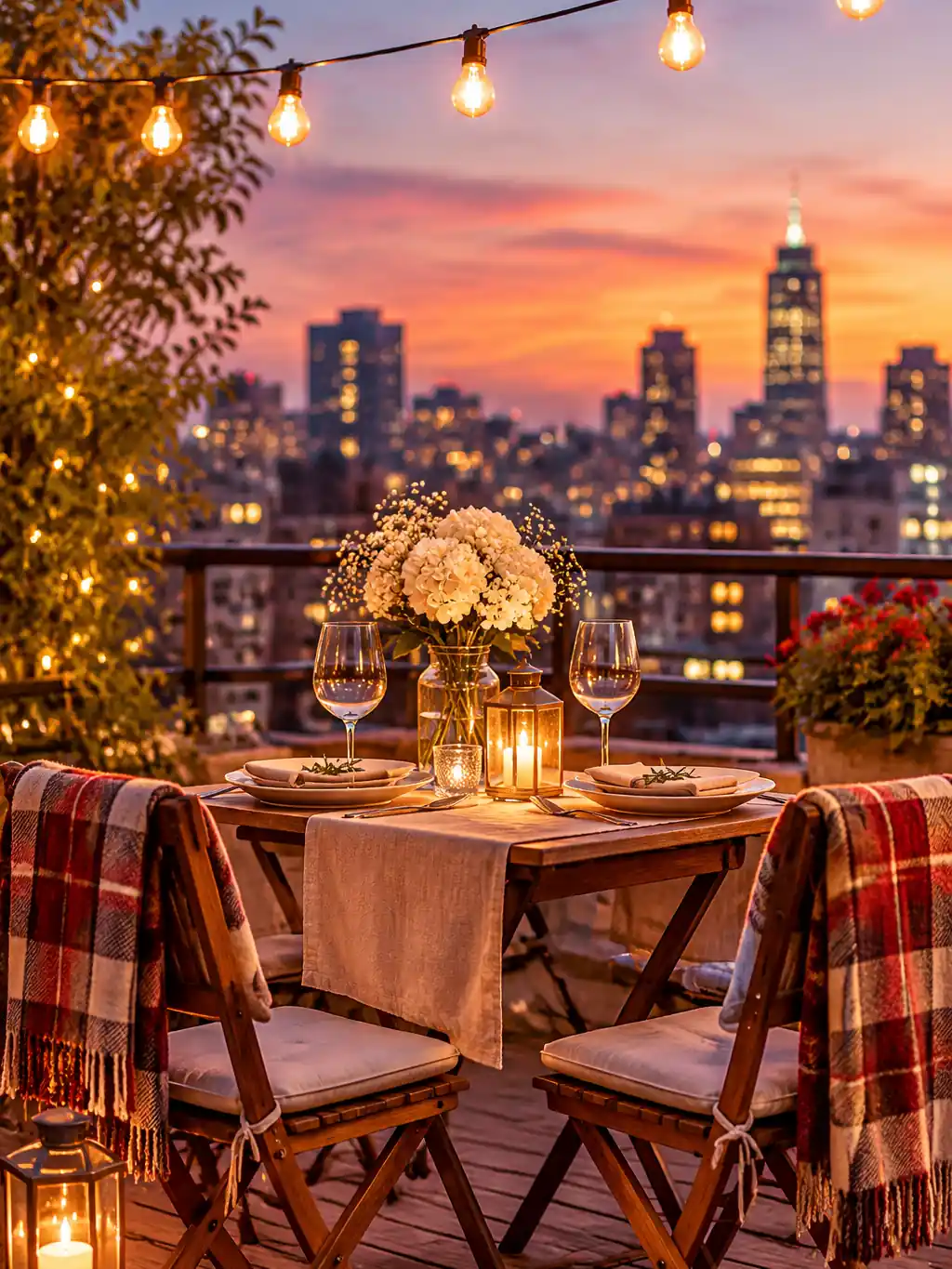 Studio
Rooftop dinner table for two at dusk, string bulbs, city bokeh, empty chairs, 3:4
Try This Style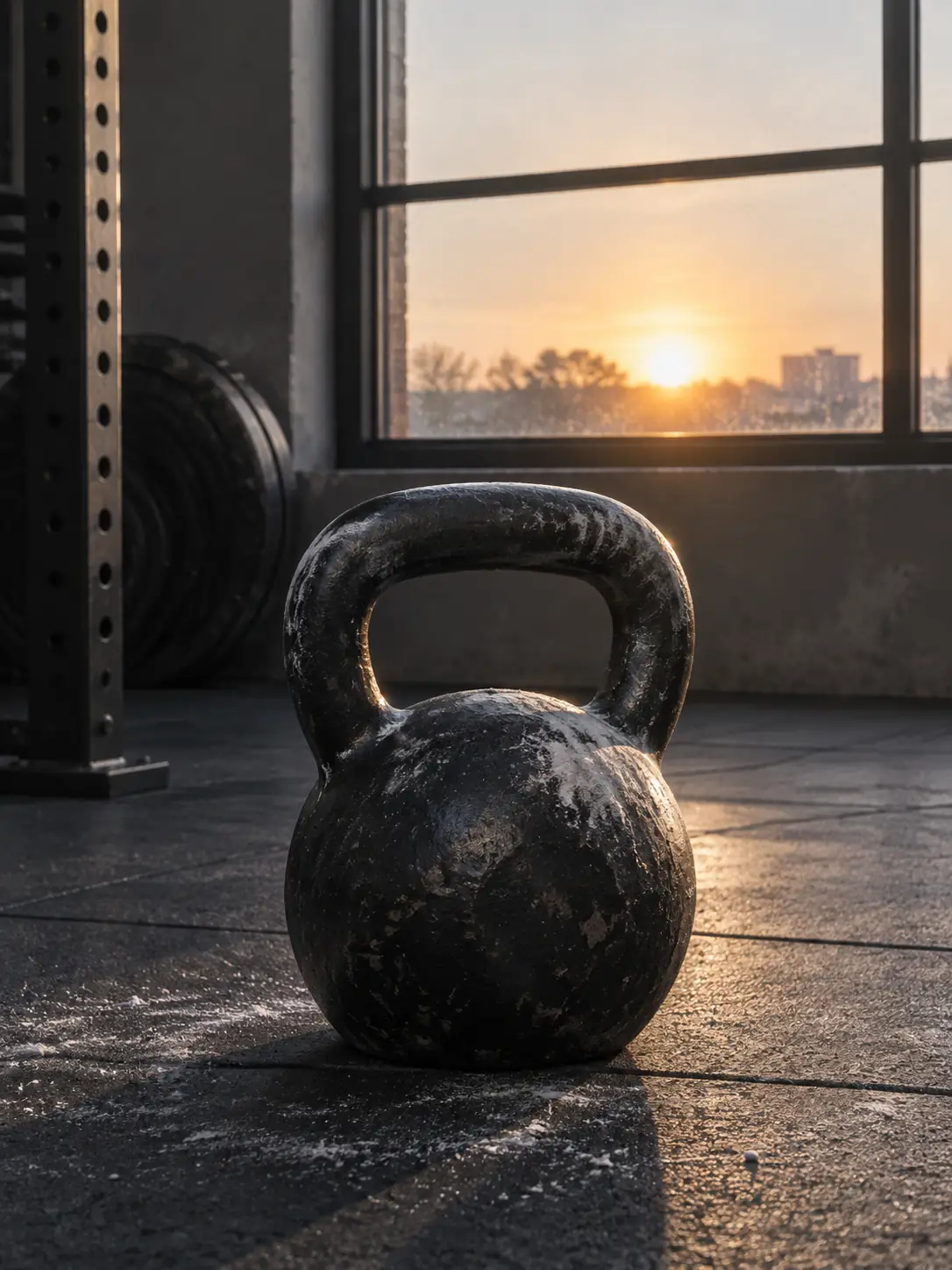 Character
Kettlebell on a rubber gym floor at six in the morning, one window behind, chalk dust, 3:4
Try This Style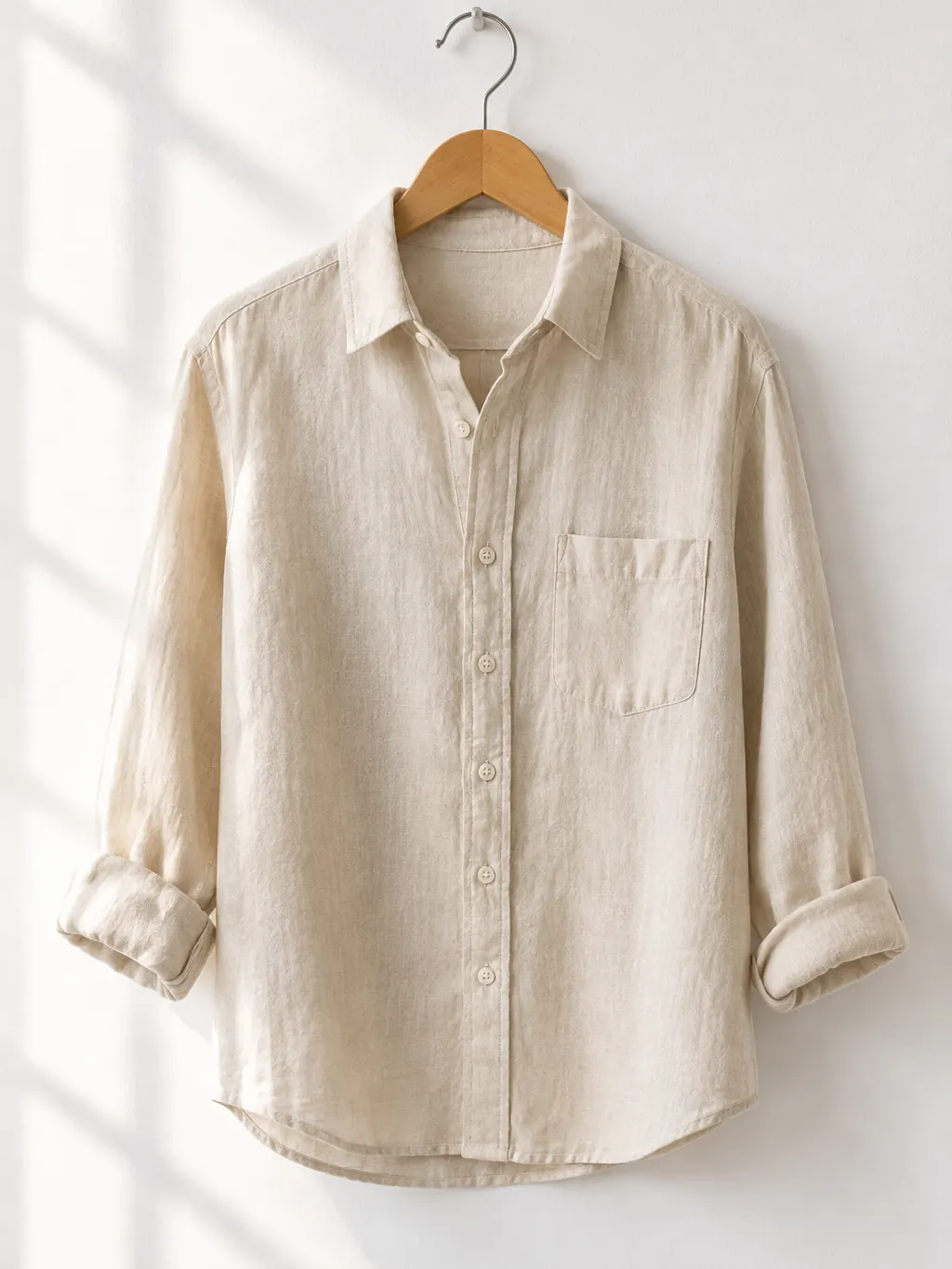 Character
Linen shirt on a wooden hanger against a white wall, soft window light from the left, 3:4
Try This Style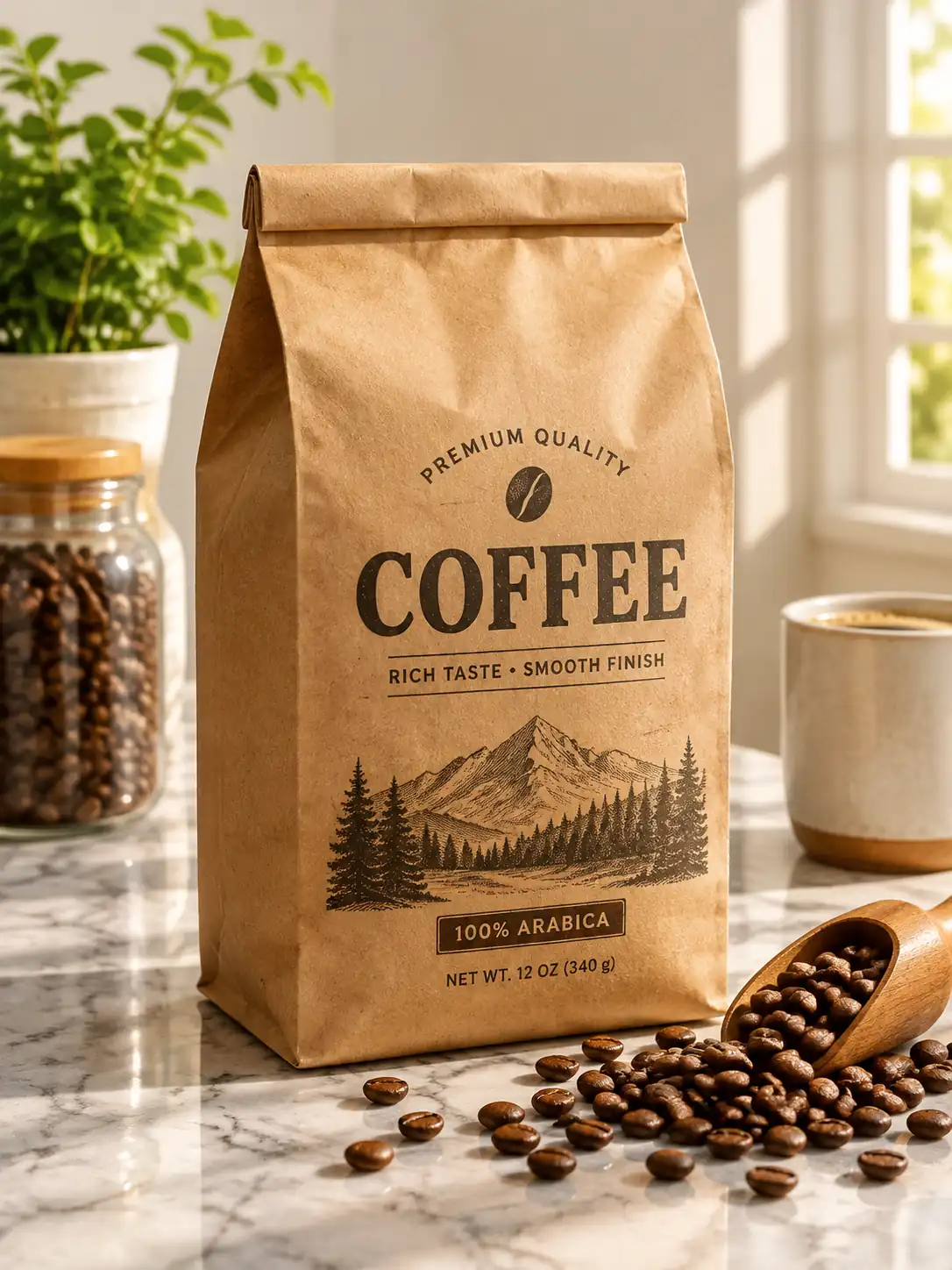 Character
Kraft coffee bag on a marble counter with a scatter of beans, morning light from the right, 3:4
Try This Style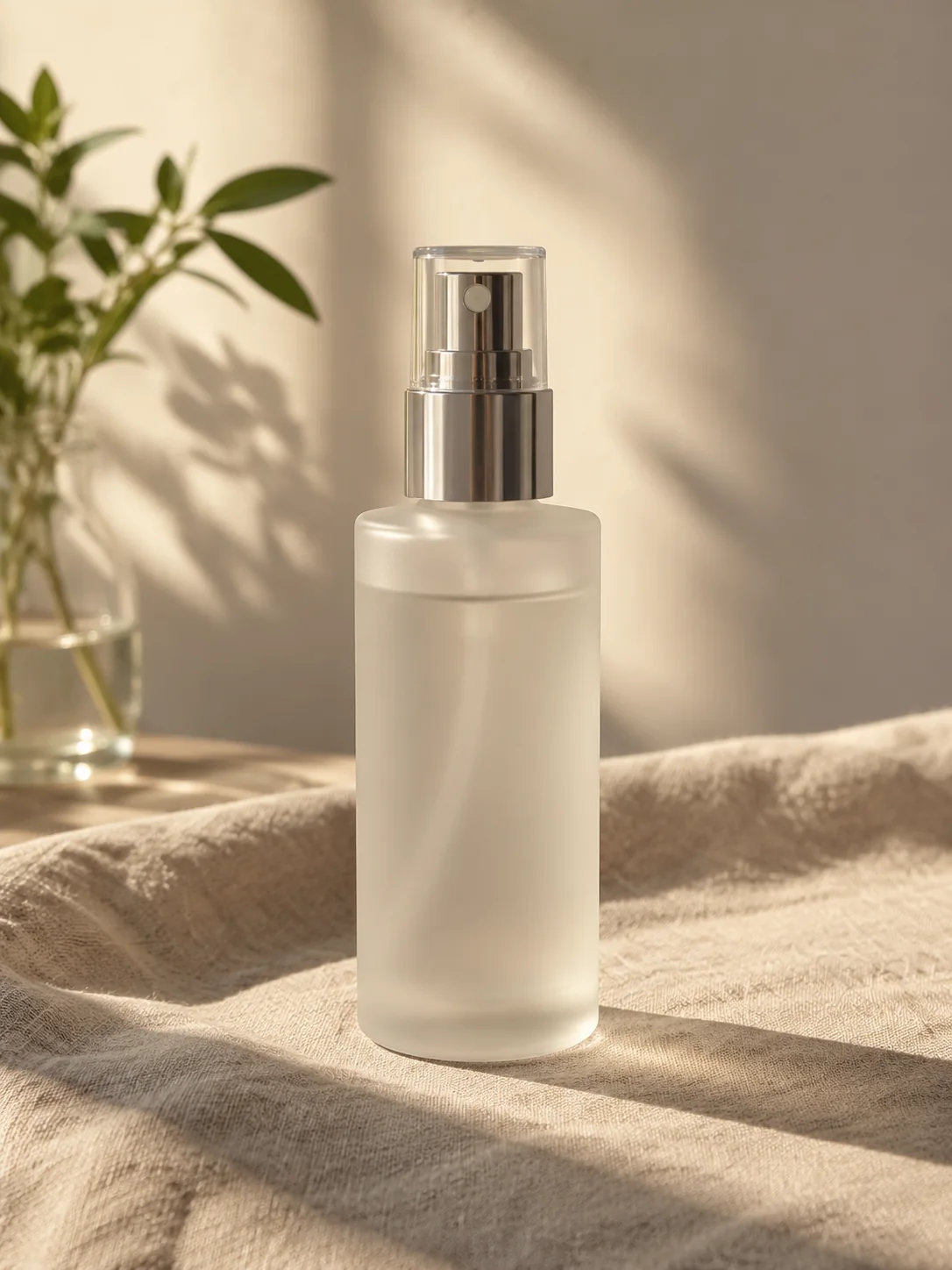 Scene
Frosted spray bottle on a linen cloth in low morning sun, long soft shadow, 3:4
Try This Style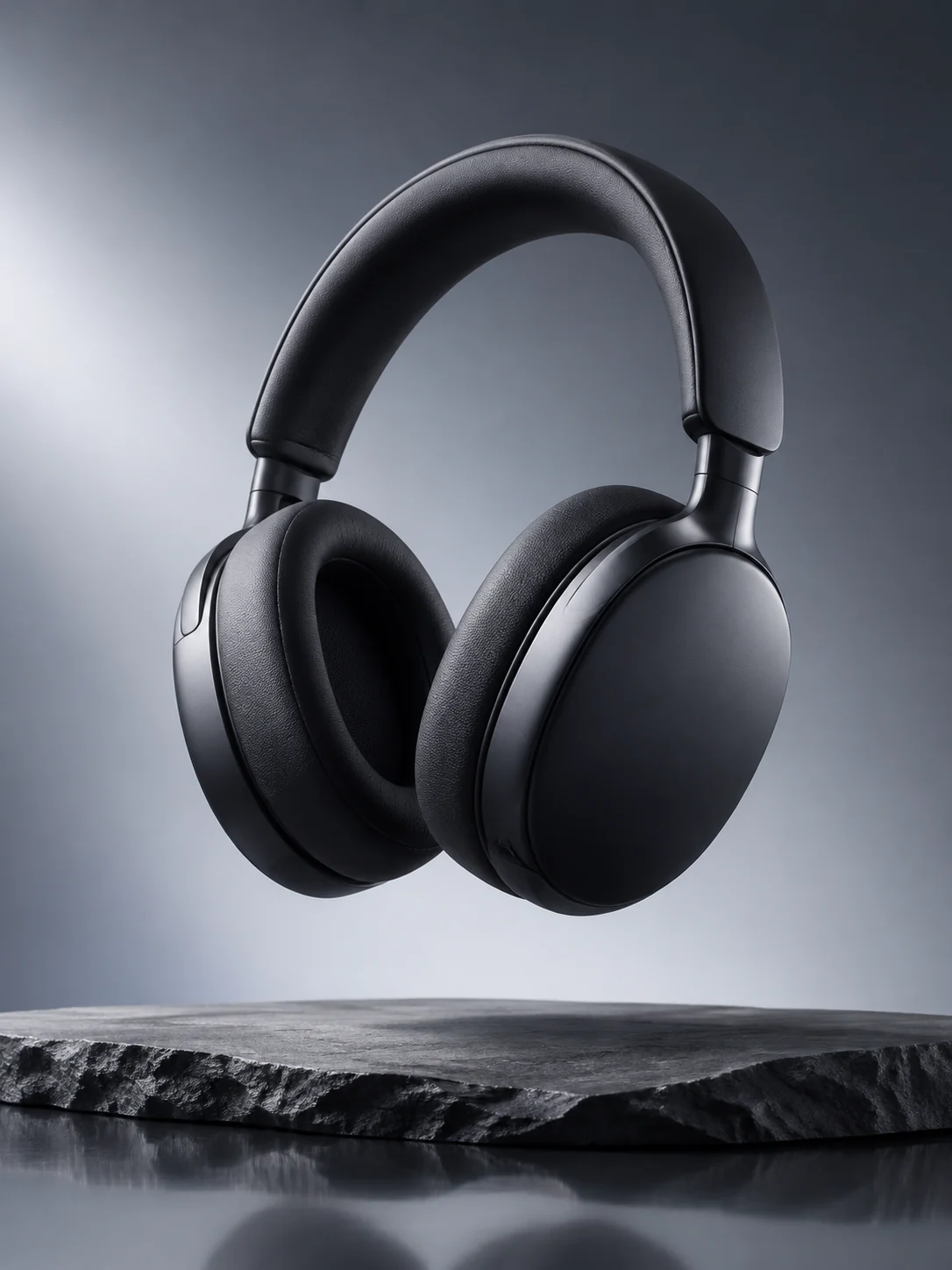 Scene
Over-ear headphones on a slate slab, single hard light from above left, deep shadow, 3:4
Try This Style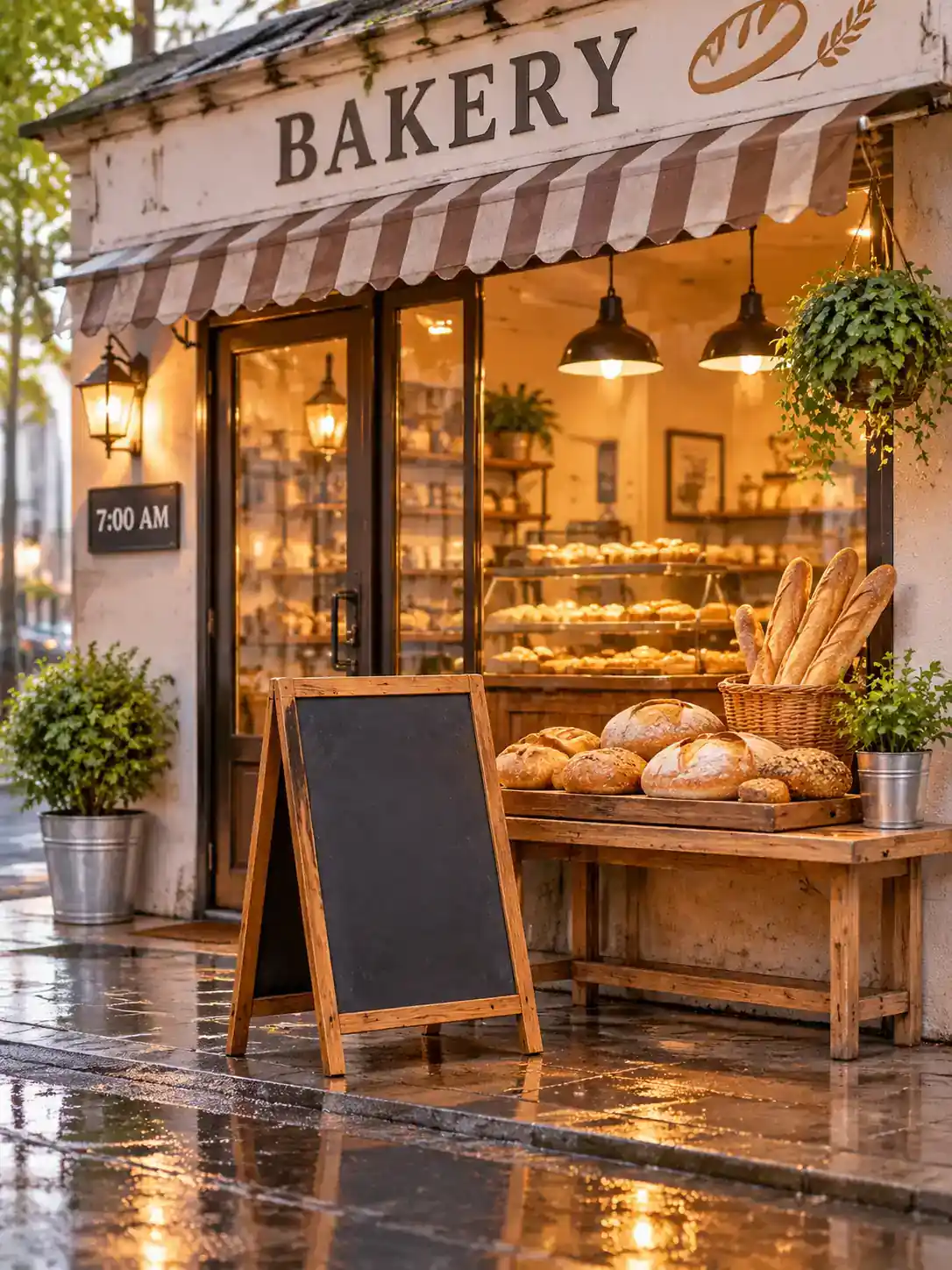 Detail
A bakery window at seven in the morning, warm light inside, bread on wooden trays, street reflection, 3:4
Try This Style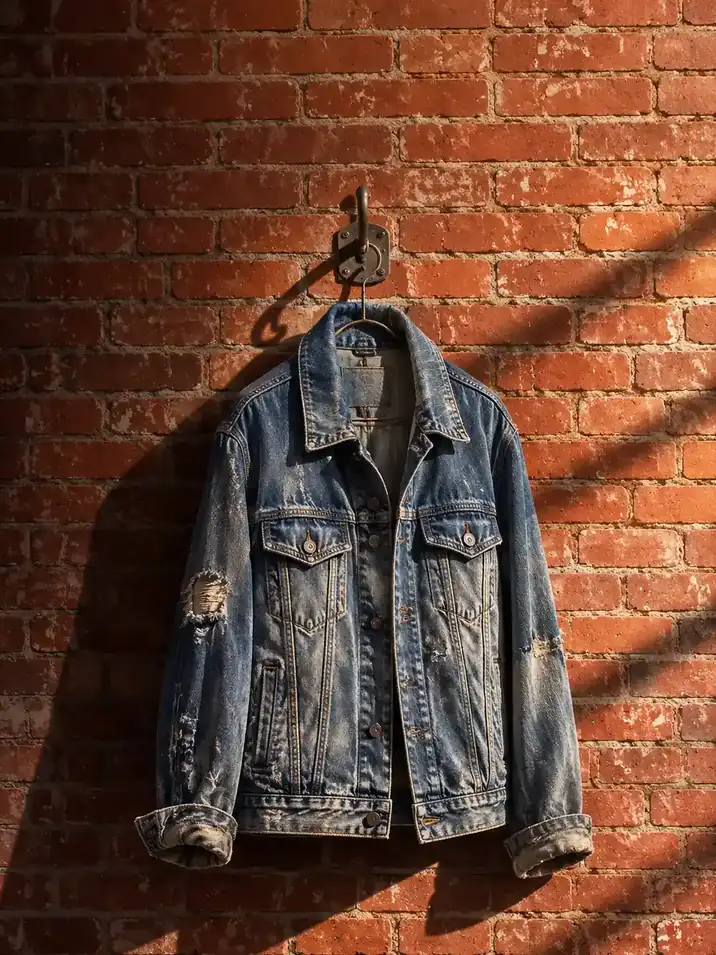 Detail
Denim jacket on a brick wall in raking side light, sleeves folded, brass buttons, 3:4
Try This StyleAsk for a quiet third of the frame. A full-bleed product with no breathing room cannot carry a headline, and every layout fix costs you the crop.
Beauty, product, local and fashion each need their own light. Borrowing a beauty setup for a kettlebell gives you plastic skin on metal.
A banner, a carousel and a feed post are three different frames. Render the shape you need rather than cropping a wide image down and losing the composition.
Wet grass at seven in the morning reads as a product shoot. Green background reads as a template, because the model has nothing to place the object on.
A bakery window, a gym floor, a rooftop table. A location someone recognises beats an abstract studio sweep, and it costs one extra clause.
Prices, disclaimers and URLs come back as smudges even on the better models. Set every word in type and leave the image to do the lighting.
I run a small skincare brand and needed six paid social ads by Friday. I described the serum on wet stone with hard afternoon sun, ran the first one, then changed only the palette for the rest. Five of the six were usable and I did not book a photographer that month.
My first try came back looking like a stock photo of nothing in particular. The fix was naming the hour and the surface: a kettlebell on a rubber gym floor at six in the morning with one window behind it. Same product, completely different frame, and that is the one that ran.
I use this for local promos where a real shoot is out of budget. The bakery window at seven got more clicks than the flat lay we paid for last year, though I still photograph the actual pastry myself because the generated one was too smooth to believe.
Yes. Describe the product, the surface it sits on and the light, and you get a campaign frame. The generator supplies the photograph; headlines, prices and the logo go on top in your layout tool.
The frame follows the words you give it. Name where the object sits and where the empty space belongs, such as product left, headline right. One change per rerender tells you which word moved what.
No. The image is built from your description, so nothing leaves your machine. If you do start from a photo you own, describe the angle and light in words rather than letting the model trace the original.
You can open the workspace and run a first image on a free trial. Longer sets, larger output and the faster models sit behind a paid plan, and each model shows its own limit before you render.
Check the licence of the model you used before you spend money behind an image. Text inside a render is unreliable, so set headlines and legal lines yourself rather than trusting lettering in the picture.