

Chibi-Specific Starter Styles
Begin with visual recipes built around short limbs, oversized heads, readable silhouettes, and expressive faces instead of guessing every prompt detail.
Prompt Guide
Model
Reference Image
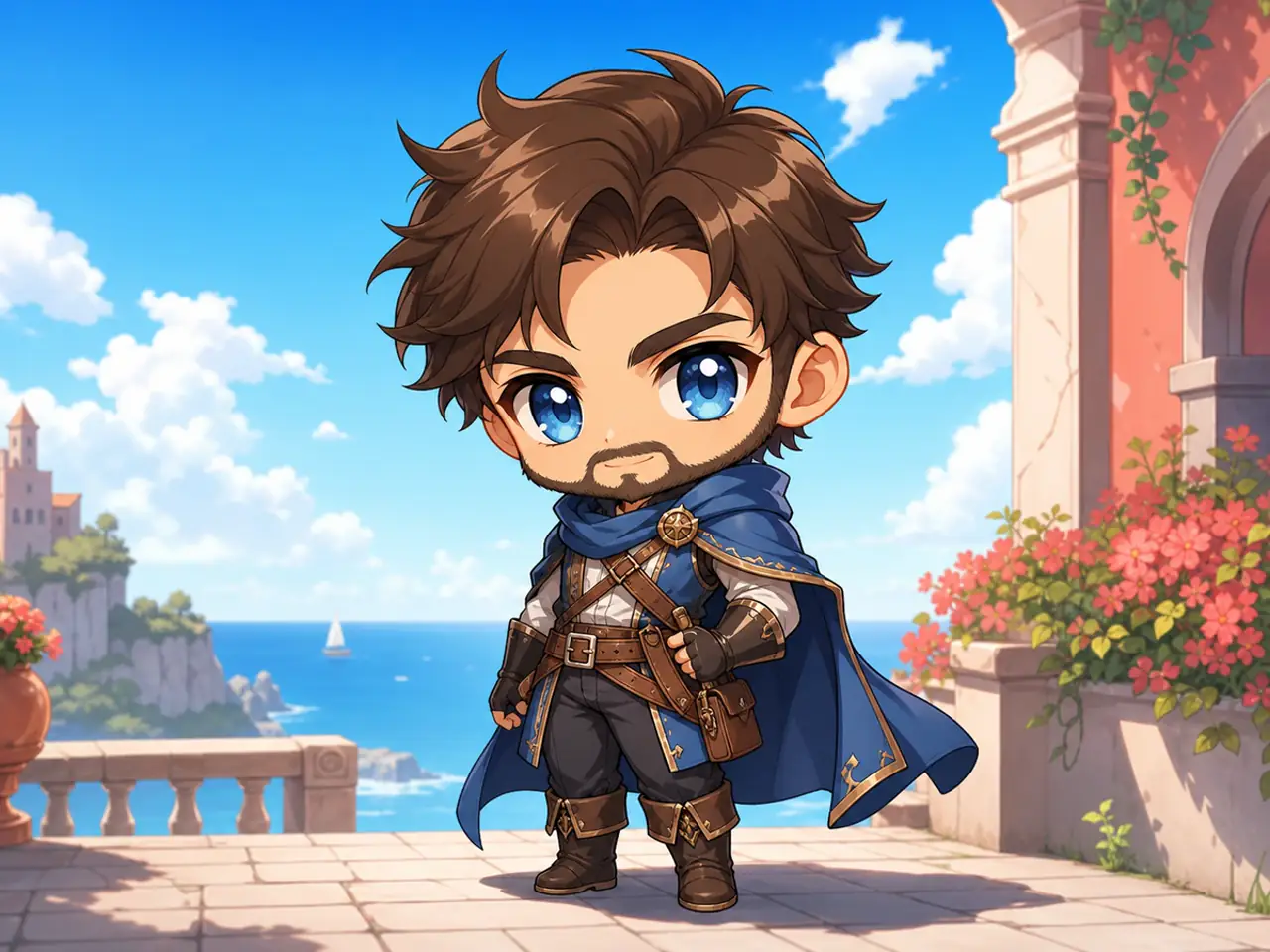
Turn a prompt or photo into a recognizable mini character. Explore anime, 3D, sticker, pastel, and OC-inspired looks for avatars, emotes, gifts, and creative projects.
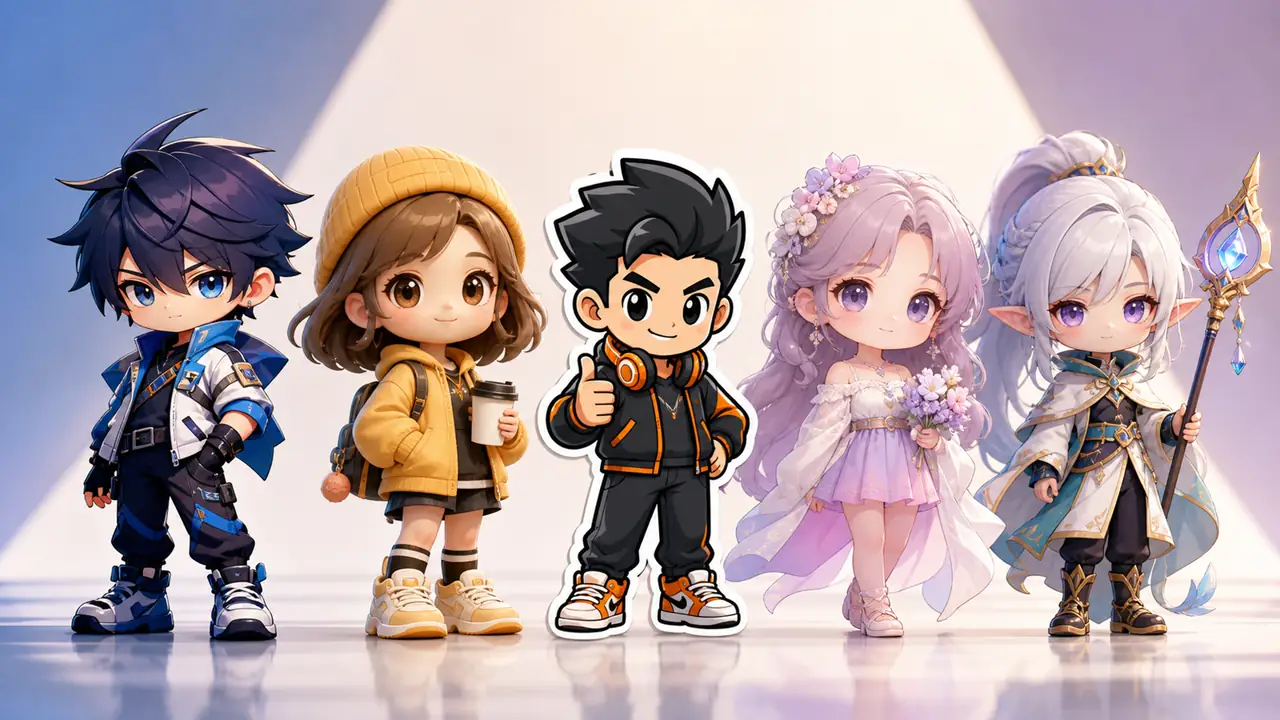
Go from an idea or reference photo to polished chibi art in four simple steps.
Describe your character, or upload a clear reference that shows the hair, outfit, accessories, and mood you want to preserve.
Choose anime, 3D toy, sticker, or pastel, then add a pose, expression, palette, and background.
Compare results and adjust the details that matter most, such as proportions, eye shape, signature accessories, and outfit colors.
Make a square avatar, portrait character card, mascot concept, or sticker-style image sized for sharing.
See how one chibi maker can support bold anime heroes, polished 3D collectibles, streamer emotes, fantasy OCs, and recognizable mini-me avatars. Each example includes a useful prompt direction you can adapt.
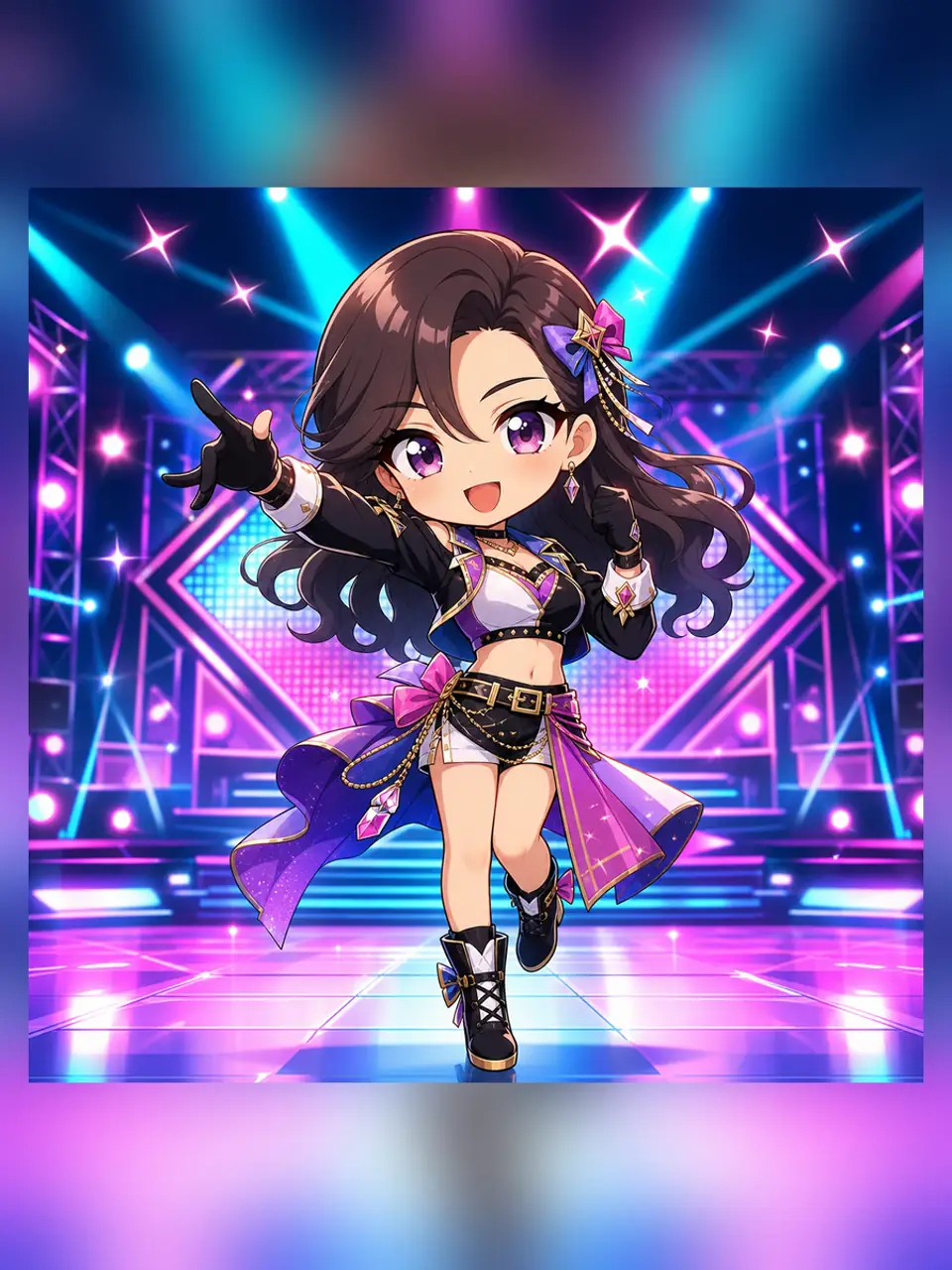 Anime Chibi
Create an adult chibi pop performer with two-head-tall proportions, sparkling eyes, a dynamic dance pose, crisp cel shading, and energetic cyan-magenta stage lighting.
Try This Prompt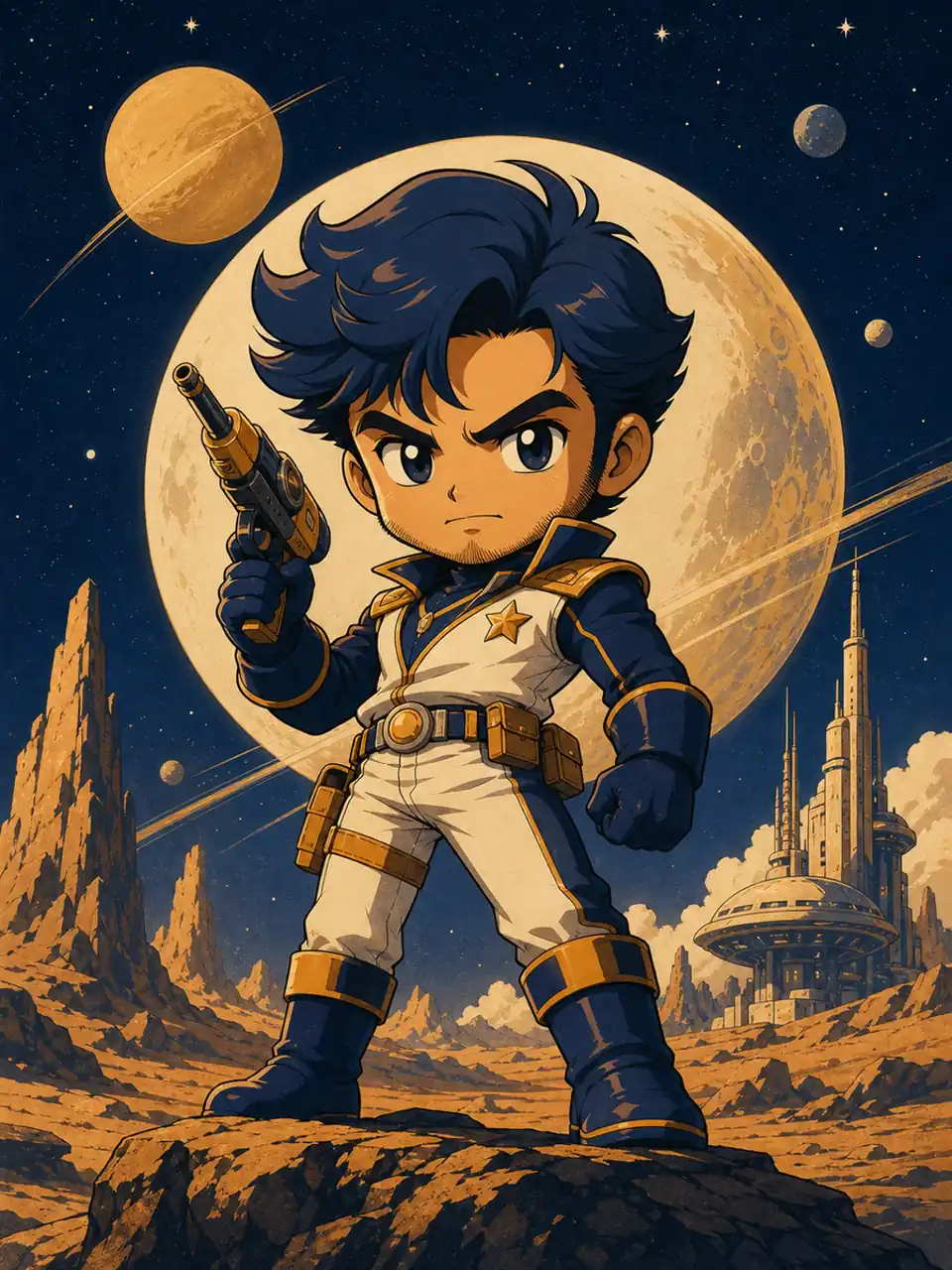 Anime Chibi
Design an original space adventurer with an oversized head, compact body, heroic stance, vintage cel texture, and an amber, navy, and cream palette.
Try This Prompt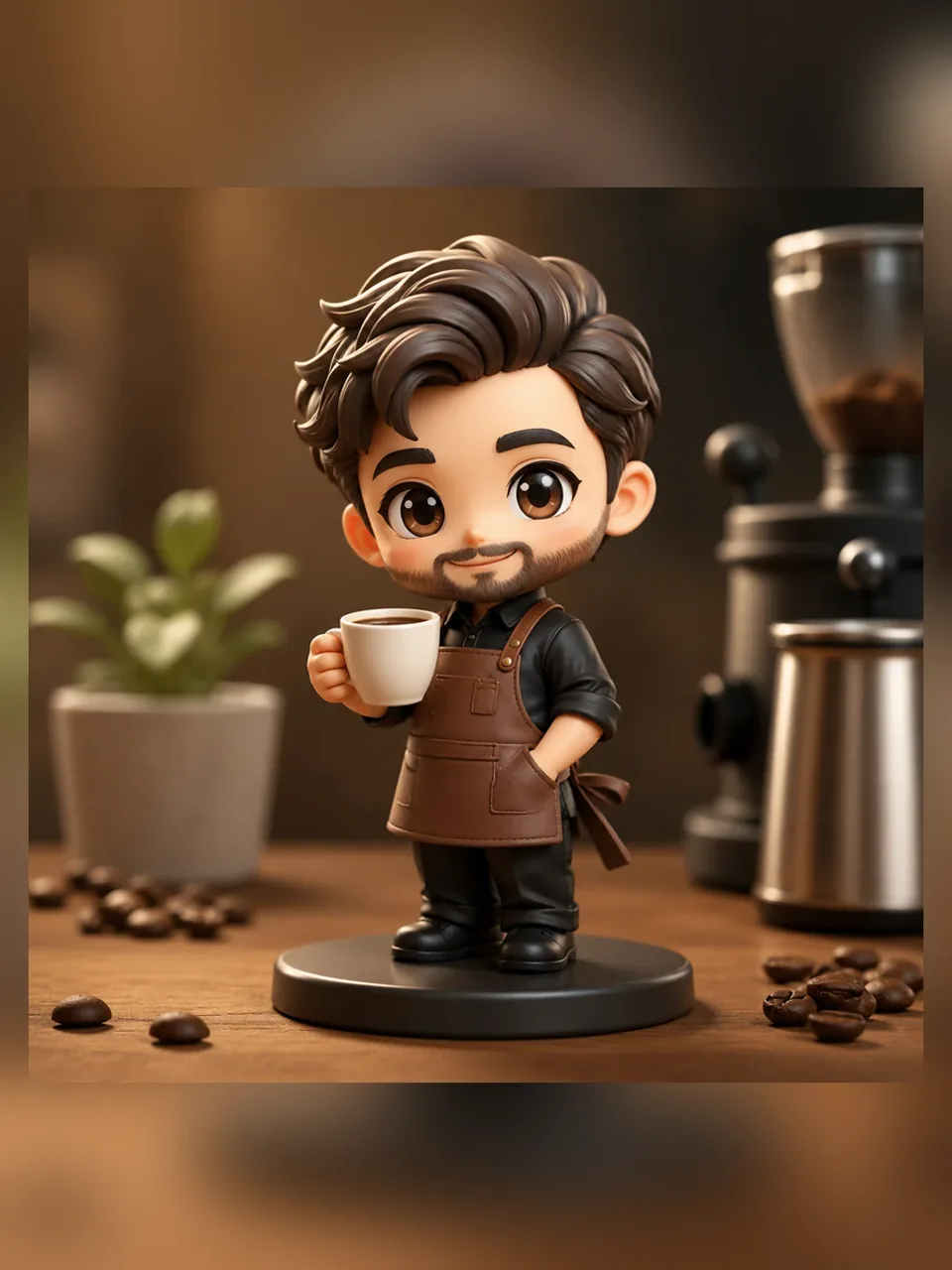 3D Chibi
Render an adult barista as a premium capsule collectible with a tiny apron-clad body, oversized friendly head, plain coffee cup, and warm studio lighting.
Try This Prompt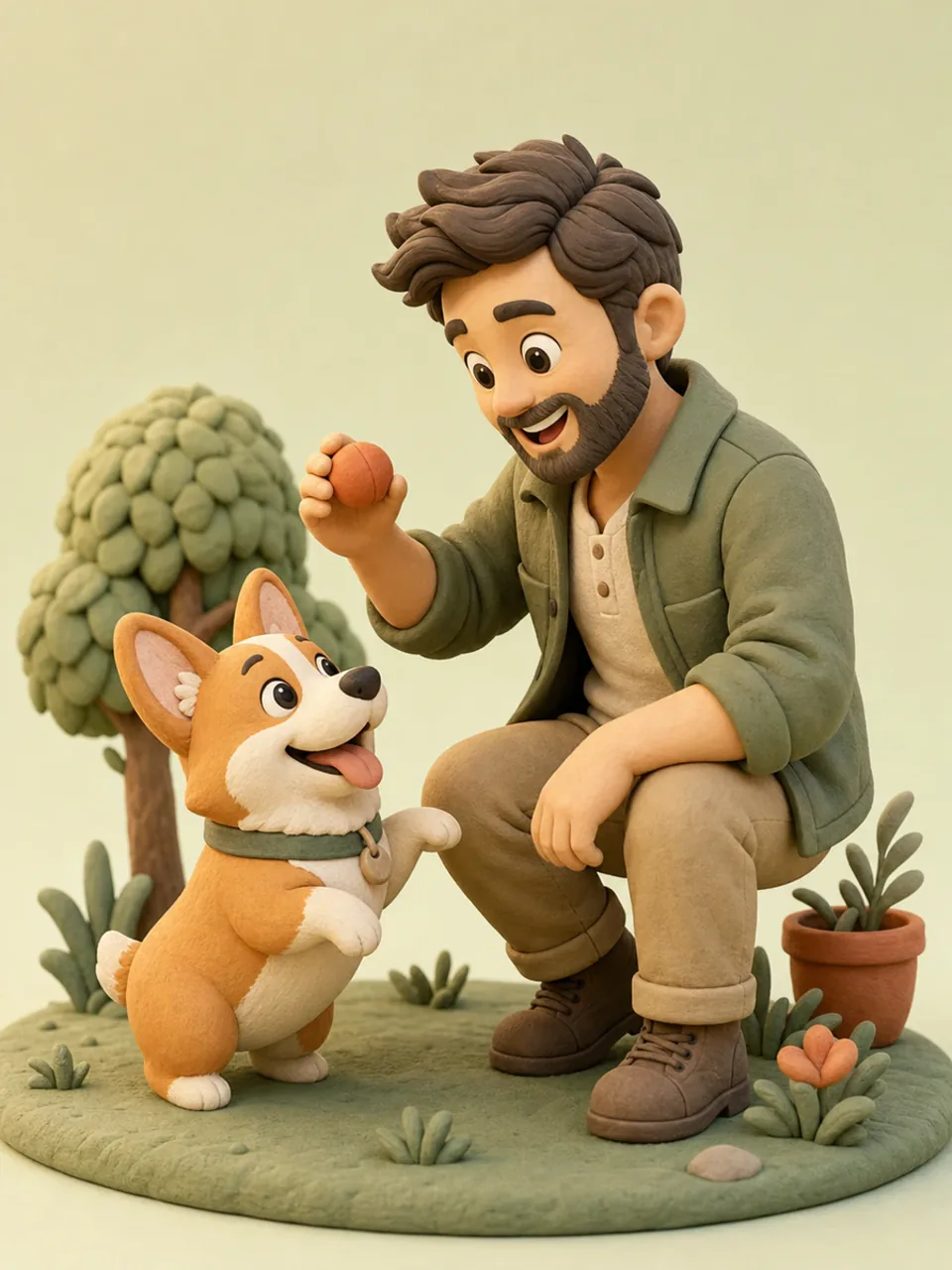 3D Chibi
Make an adult pet owner and a small corgi in a handcrafted clay style, using rounded chibi proportions, joyful interaction, soft daylight, and a sage and terracotta palette.
Try This Prompt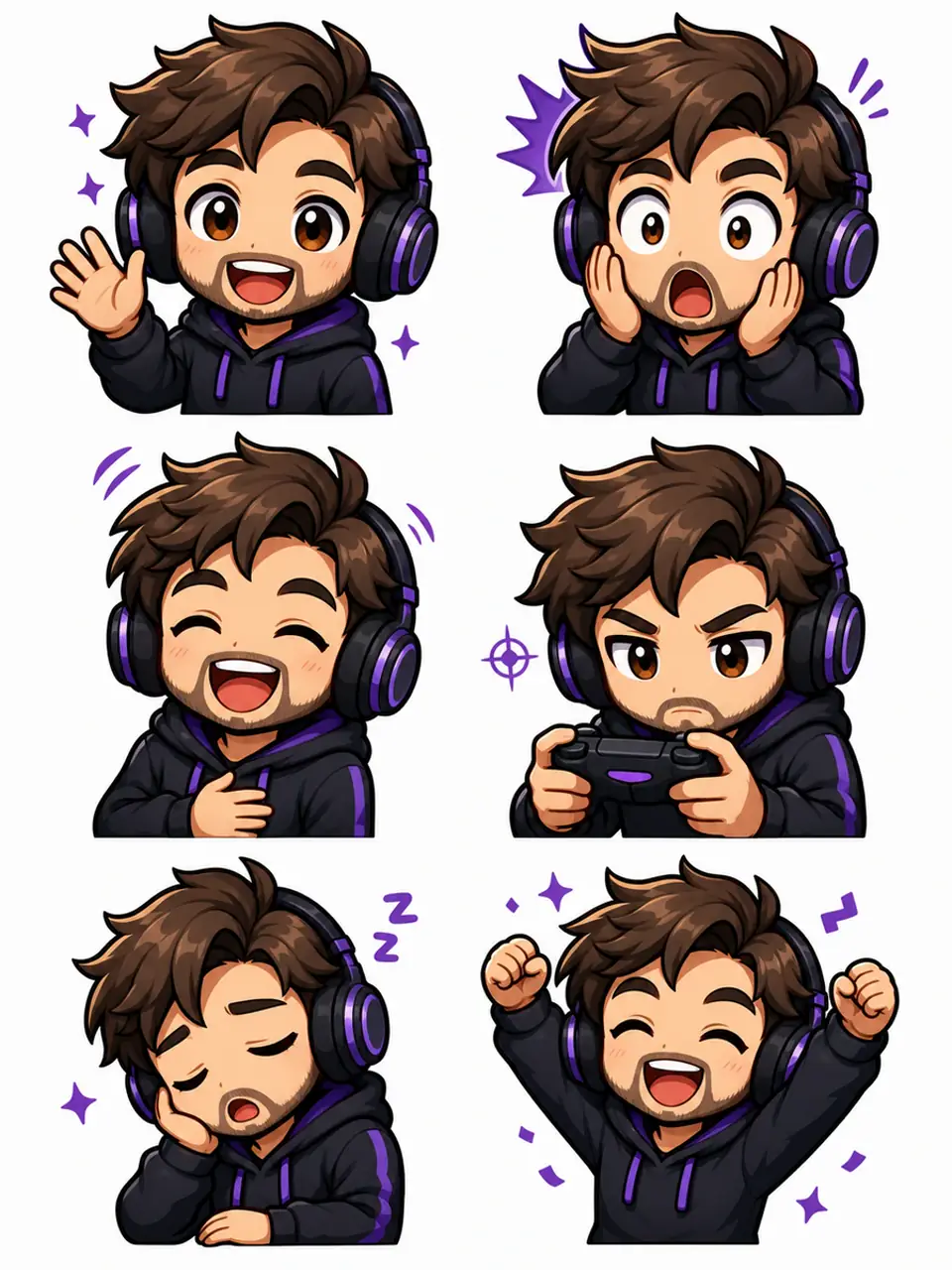 Sticker & Emote
Create the same adult chibi streamer with six clear expressions: happy, shocked, laughing, focused, sleepy, and celebrating. Use bold outlines, clean separation, and no words.
Try This Prompt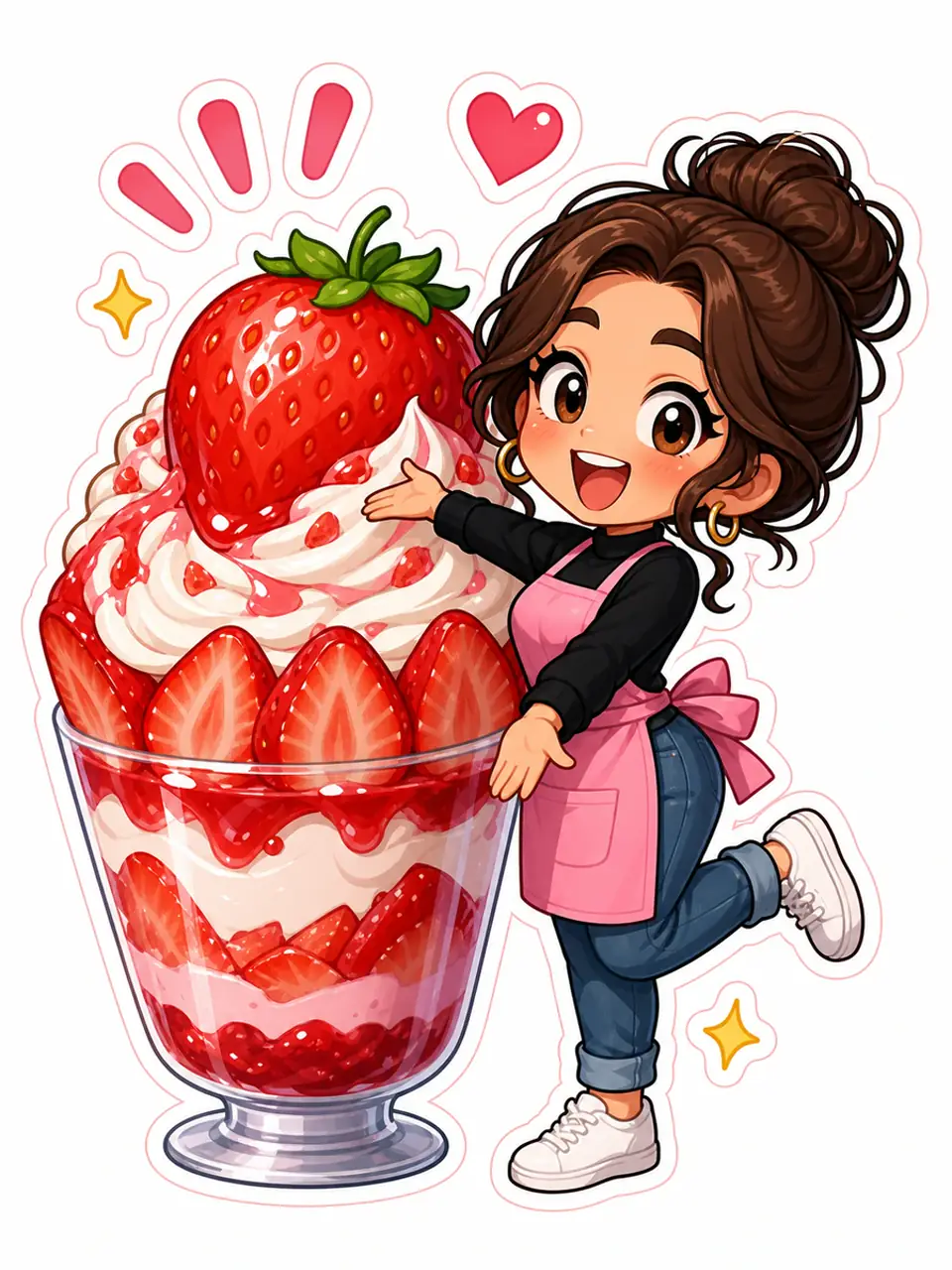 Sticker & Emote
Show an adult food creator reacting happily to a strawberry dessert with a compact energetic pose, thick sticker outline, playful pink and lemon palette, and isolated composition.
Try This Prompt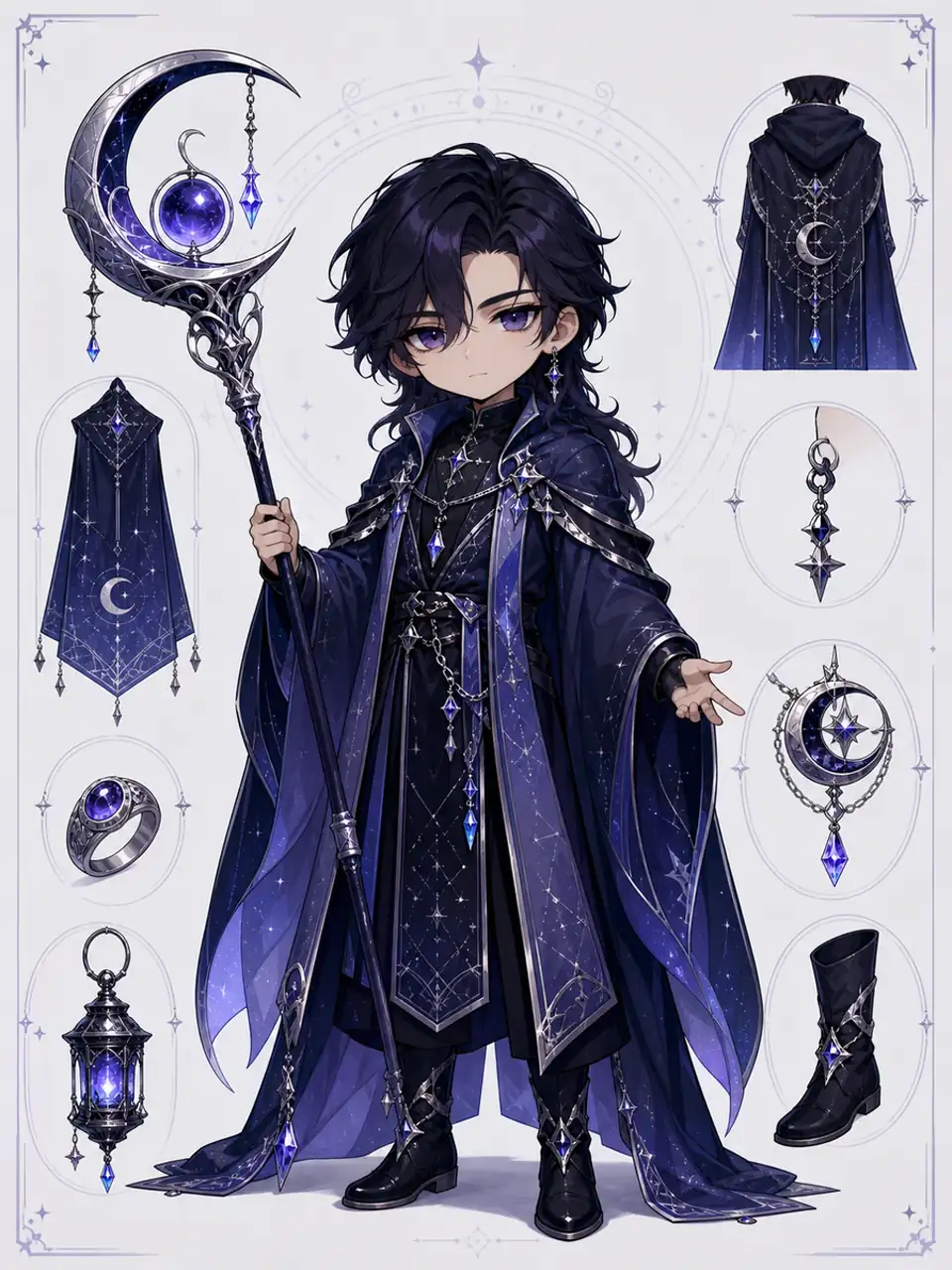 Fantasy OC
Build an original two-head-tall moon mage with a crescent staff, layered midnight robes, small accessory callouts, and a luminous indigo and silver palette.
Try This Prompt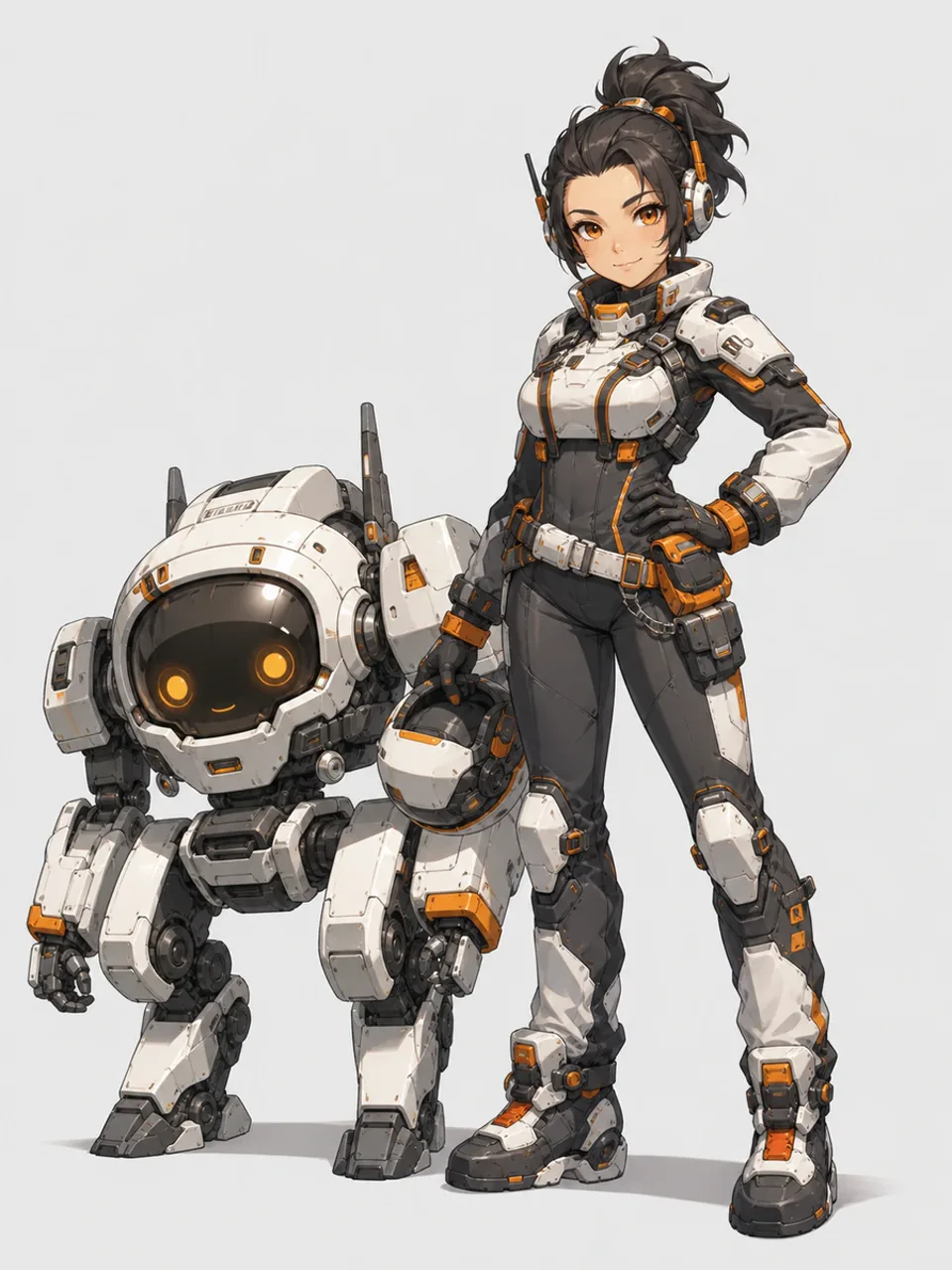 Fantasy OC
Create an adult original pilot in a fully clothed futuristic suit beside a compact friendly mech, with crisp anime rendering and an orange, white, and graphite palette.
Try This Prompt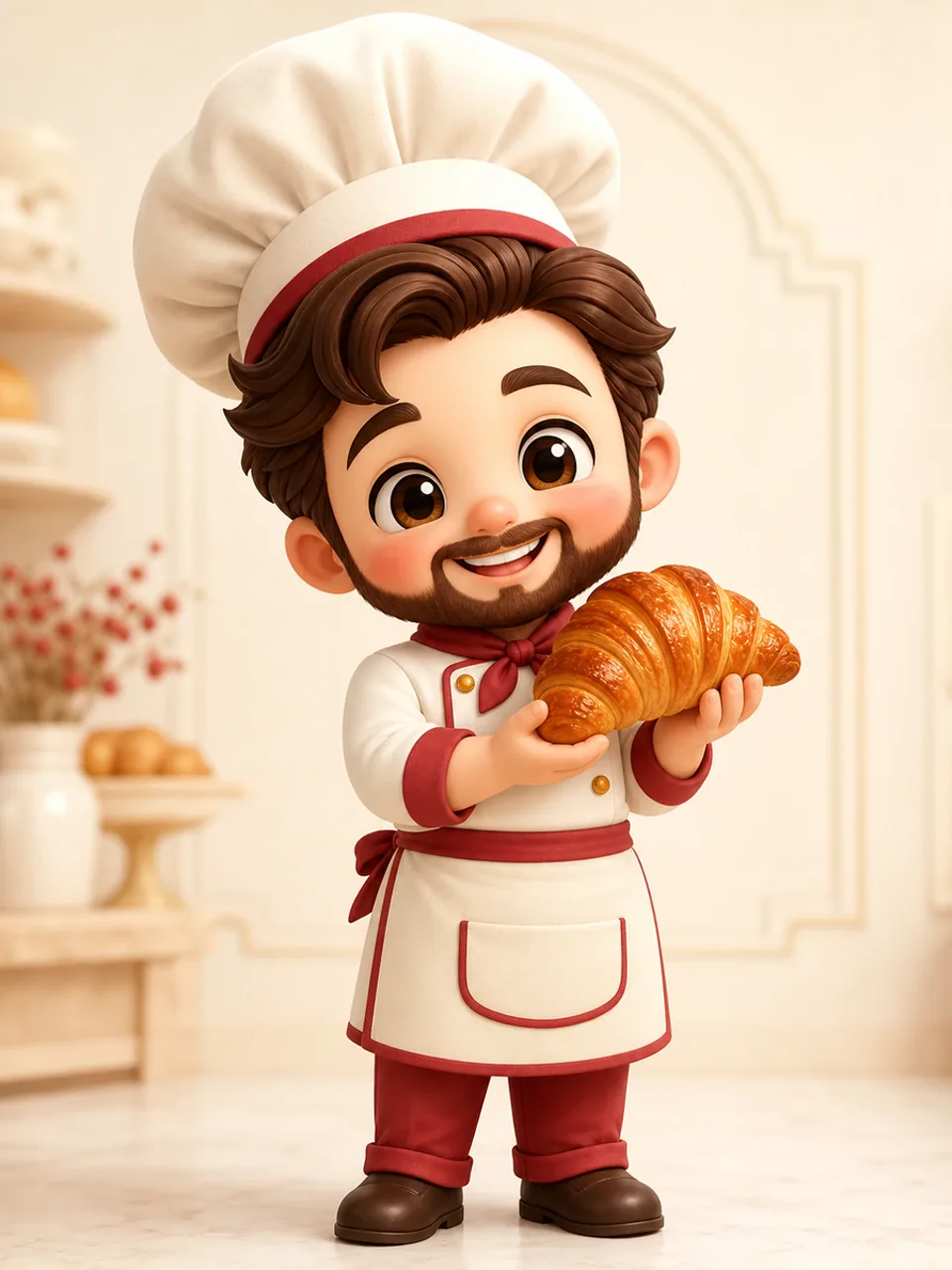 Mascot & Mini-Me
Design one friendly adult bakery mascot with an oversized head, tiny body, toque and apron, a single croissant, and a clean cream and cherry palette.
Try This Prompt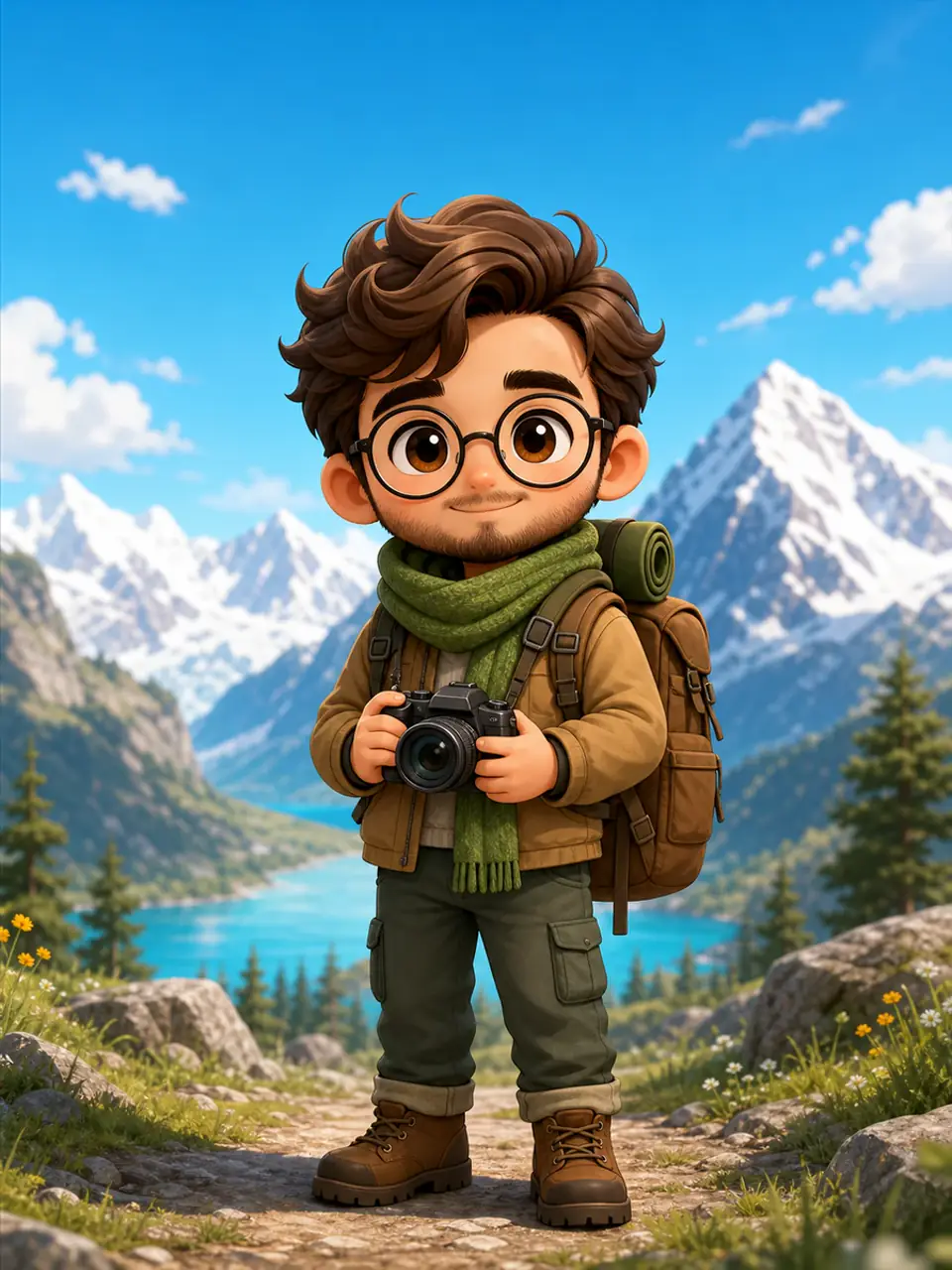 Mascot & Mini-Me
Make an adult chibi traveler with round glasses, a green scarf, camera, and backpack, using clear avatar-friendly framing and a bright alpine background.
Try This PromptSee how the AI chibi character generator supports clearer proportions, style direction, and practical prompts for real creative uses.
Begin with visual recipes built around short limbs, oversized heads, readable silhouettes, and expressive faces instead of guessing every prompt detail.
Create from a written idea or use a reference image to guide recognizable hair, clothing, colors, and accessories.
Explore classic anime, polished 3D toys, bold stickers, soft pastel portraits, fantasy OCs, and useful brand mascots.
Build stronger prompts with practical choices for proportions, pose, expression, outfit, palette, background, and intended output.
Compose square avatars, portrait character cards, landscape scenes, or classic 4:3 artwork from one AI chibi character generator workspace.
Try available image models and choose the visual direction that best fits your chibi concept without rebuilding the workflow elsewhere.
Compare practical creative roles inside the AI chibi character generator using the same prompt and reference. Results can vary, so use this guide as a starting point rather than a ranking.
| Criteria | Nano Banana 2 | GPT Image 2 | Seedream 5.0 Lite | FLUX.2 Pro | Agnes Image 2.1 Flash |
|---|---|---|---|---|---|
| Best visual role | Versatile starting point | Detailed prompt-led character art | Stylized illustration exploration | Polished illustration direction | Alternate concept exploration |
| Prompt emphasis | Subject and intended use | Proportions, outfit, expression, and lighting | Palette, mood, and illustration style | Composition, silhouette, and finish | Character identity and clear style cues |
| Ideal use case | First chibi concept | Detailed OC or character portrait | Style experiments | Refined illustration concept | Alternative visual direction |
Illustrative, pseudonymous feedback showing how creators can use the AI chibi character generator for clearer style choices and character workflows.
The style starters helped me turn a vague OC idea into a much clearer chibi design. I could focus on the outfit and expression instead of guessing the whole prompt.
I wanted a profile image that felt cute without losing my glasses and jacket. The photo-guided workflow gave me a much better direction for refining the result.
The sticker and 3D examples made it easy to decide what kind of character asset I needed before I started generating.
It is an image-generation tool designed to create super-deformed characters with oversized heads, compact bodies, expressive eyes, and simplified details from text or a reference image.
You can use a clear reference image when the selected model supports image input. Describe the traits you want to preserve, such as hairstyle, glasses, outfit colors, and accessories.
Start with the subject, ask for two-head-tall chibi proportions, then specify identity traits, outfit, expression, pose, rendering style, background, and intended use.
Try classic anime, cel-shaded, 3D toy, bold sticker, soft pastel, fantasy OC, mascot, and mini-me directions. The result depends on your prompt, reference, and chosen image model.
Usage rights can vary by model, source material, and local rules. Review the applicable model terms, avoid protected characters or logos, and obtain permission before using another person’s likeness.